

In a world where environmental awareness is no longer optional, sustainable product packaging is rapidly transforming from a nice-to-have feature into a business necessity. Whether you run a food business, a retail brand, or an e-commerce store, switching to sustainable packaging options can make a significant difference, not just to the planet, but also to your brand image, customer loyalty, and bottom line.
This blog explores why sustainable packaging matters, what qualifies as the most environmentally friendly packaging, and how brands can implement effective, responsible changes without compromising functionality or cost.
What is Eco-Friendly Packaging?
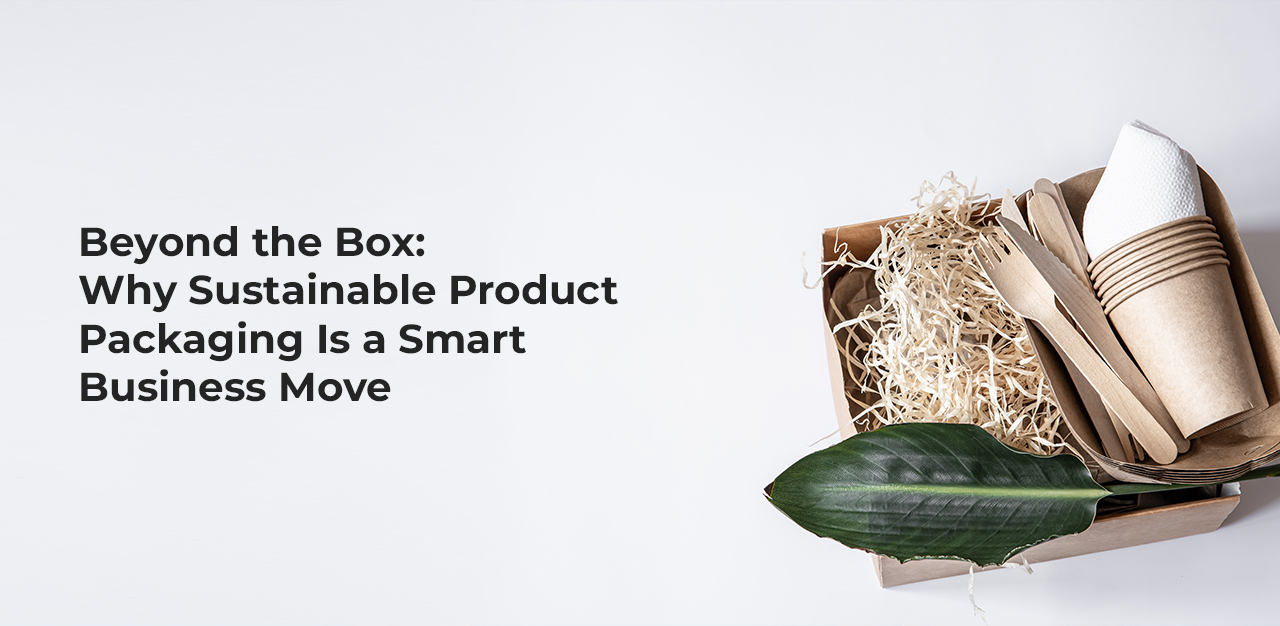
What is eco-friendly packaging, really? It’s packaging that is designed to have minimal impact on the environment. This means it should be recyclable, compostable, reusable, or made from renewable resources. It also often involves lower carbon emissions during production and can contribute to a circular economy.
Materials commonly used in sustainable packaging options include:
- Recycled paper and cardboard
- Bioplastics made from cornstarch or sugarcane
- Bagasse (sugarcane pulp)
- Bamboo or palm leaf
- Recyclable PET or PP containers
Why Sustainable Packaging Is Not Just a Trend
- Growing Consumer Demand
Today’s consumers are more informed and environmentally conscious than ever. Studies show that people are more likely to support and repurchase from brands that use sustainable packages. The push is especially strong among Gen Z and millennial consumers, who actively seek out eco-friendly alternatives when shopping.
- Regulatory Pressure
Many countries and local governments are enforcing bans on single-use plastics or imposing regulations that require businesses to switch to sustainable product packaging. Brands that adopt early can stay ahead of compliance requirements and avoid penalties.
- Brand Image & Loyalty
Switching to sustainable packaging options shows that your business is environmentally responsible and forward-thinking. This builds trust and long-term loyalty with customers. Sustainability messaging can become a core part of your marketing efforts, particularly for food, beauty, fashion, and home goods brands.
- Long-Term Cost Savings
Although sustainable packages can seem costly upfront, they can lead to long-term savings. For example, using right-sized packaging reduces material waste and lowers shipping costs. Some businesses are even rewarded with tax incentives or grants for adopting greener practices.
- Competitive Advantage
In a saturated market, businesses need to stand out. Offering the most environmentally friendly packaging can give your products a significant competitive edge. In B2B settings, it can also make you a preferred supplier for companies with strict sustainability goals.
Exploring Sustainable Packaging Options
Let’s look at common sustainable packaging options that businesses and households can adopt:
- Paper-Based Packaging
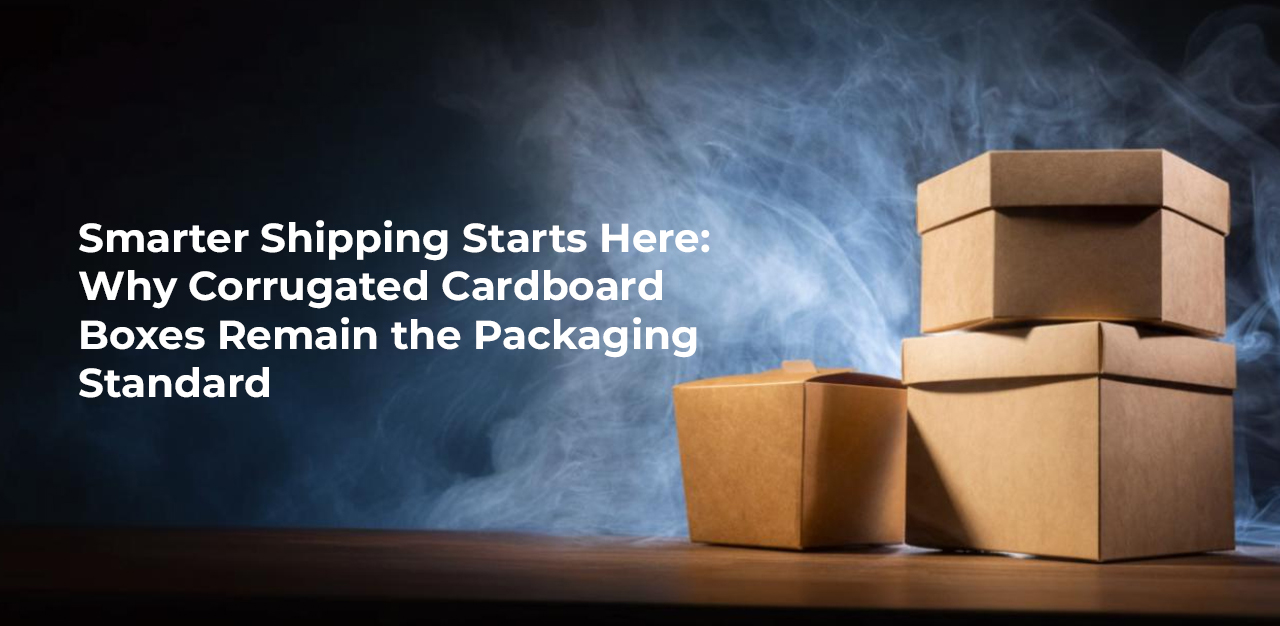
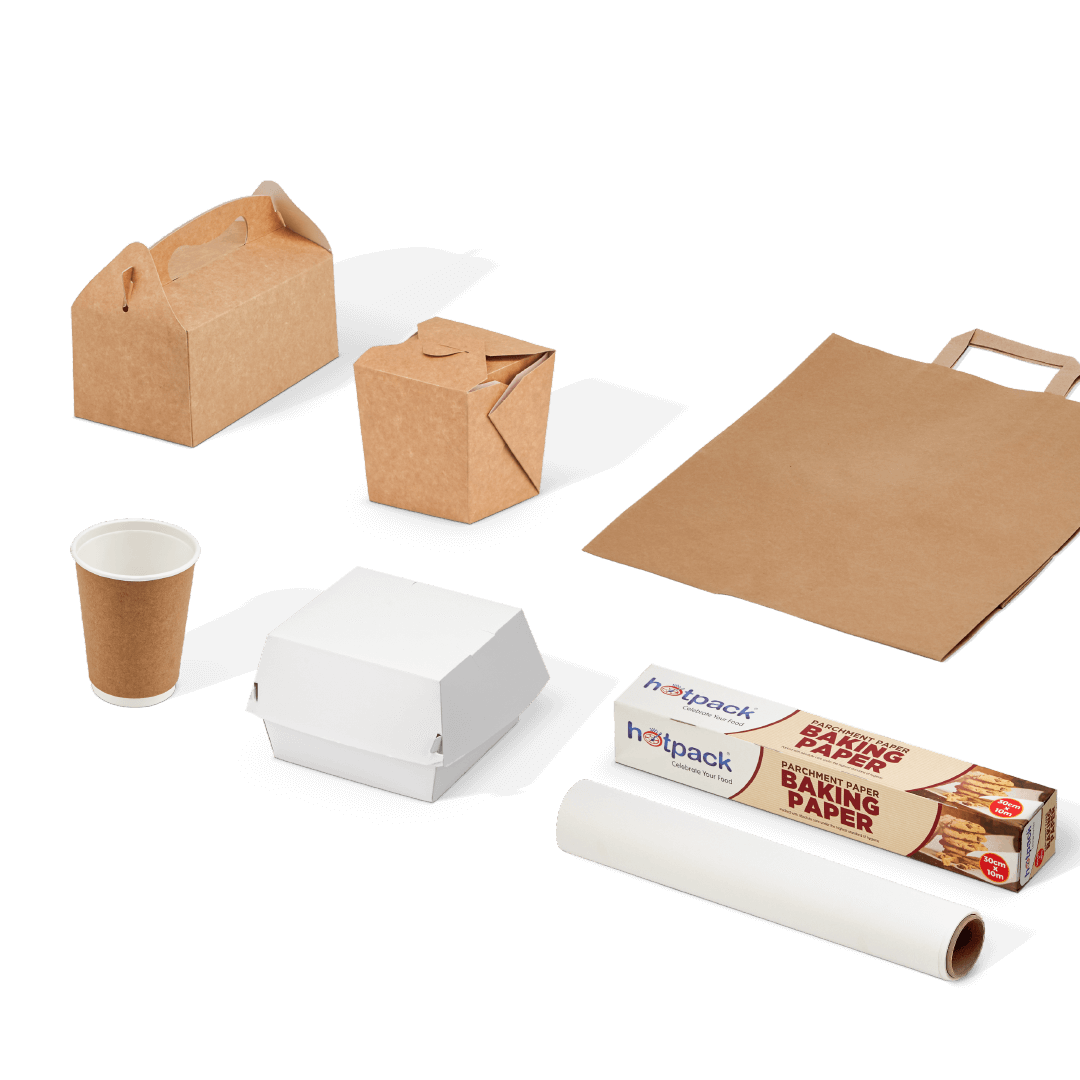
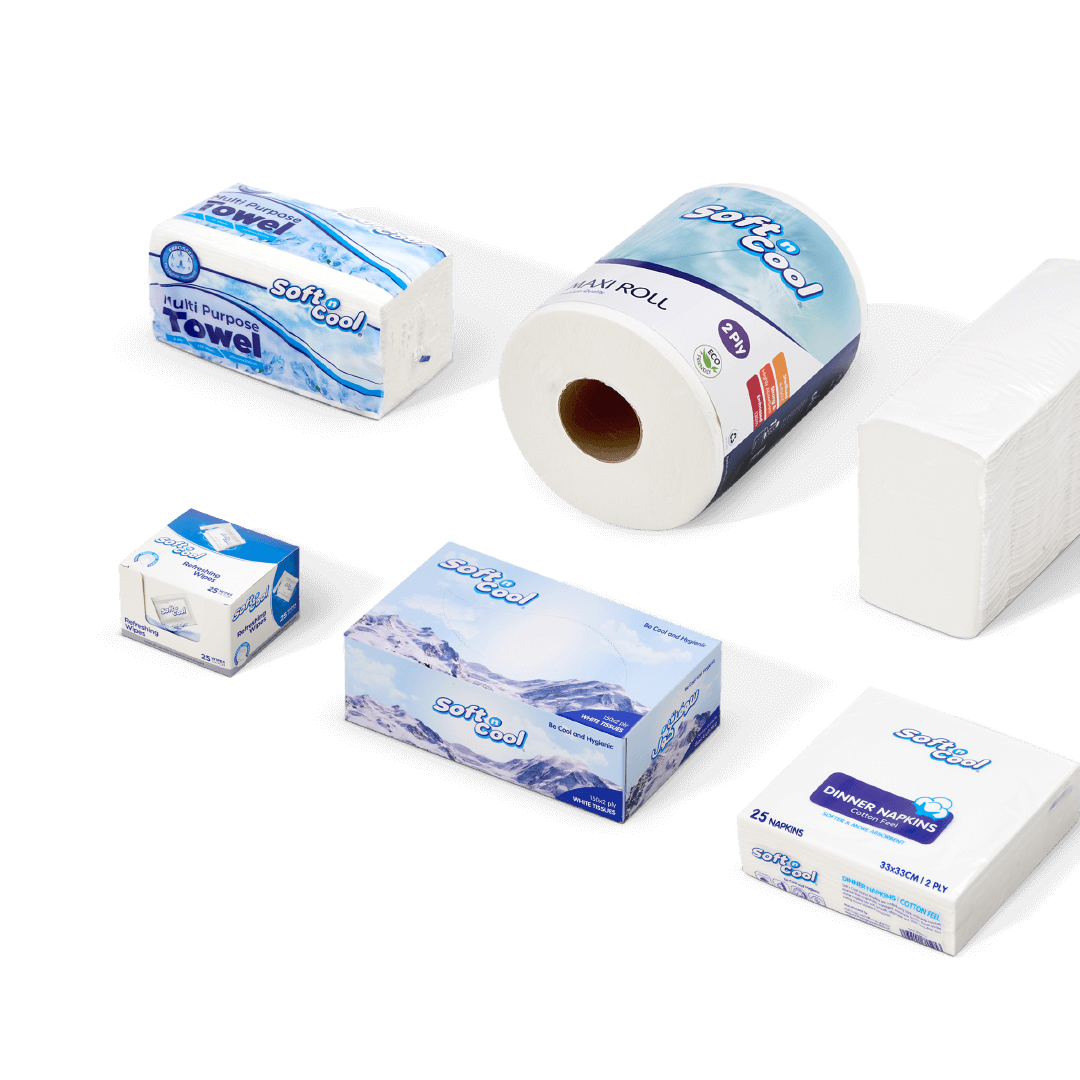
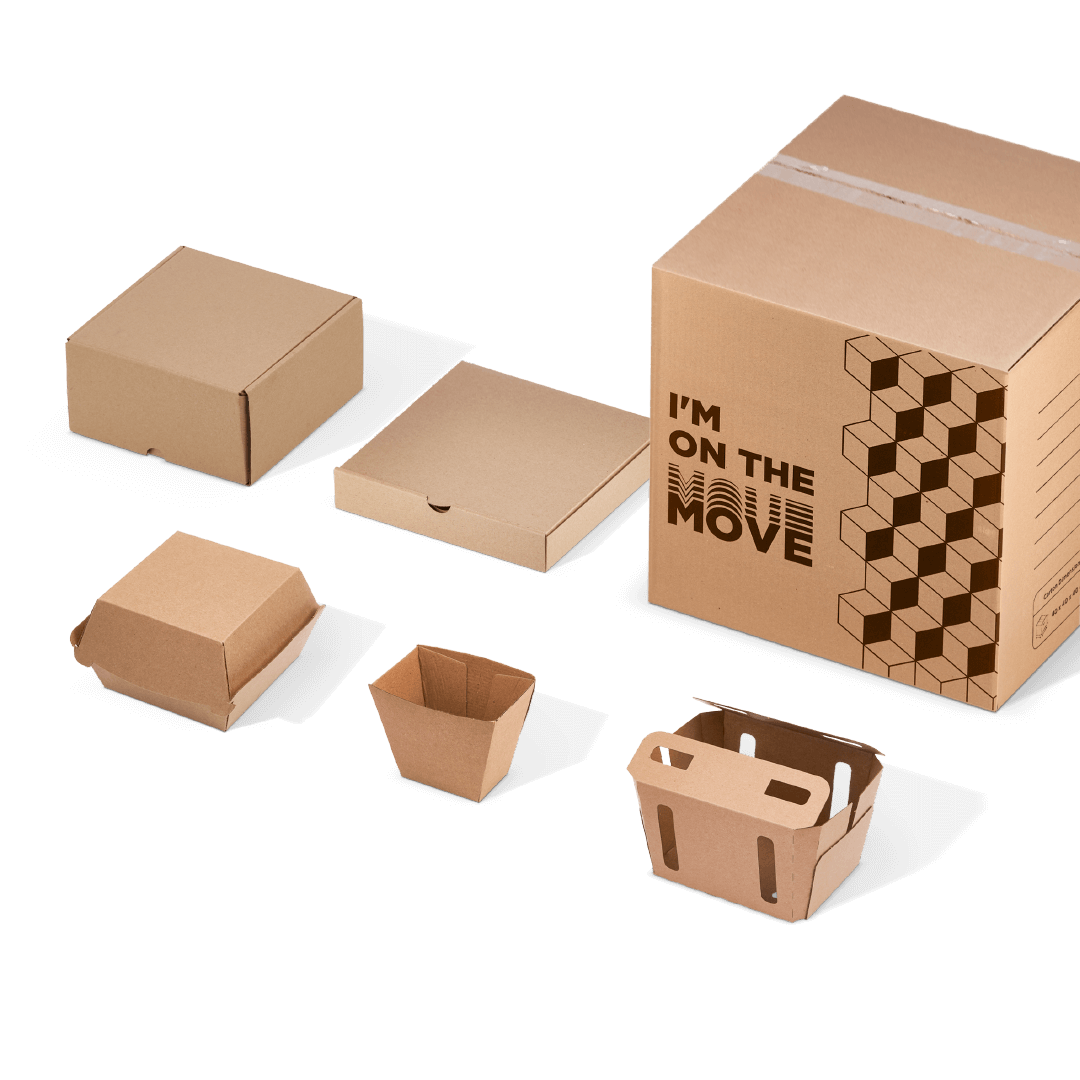
Recycled cardboard and paper are widely available, biodegradable, and cost-effective. Paper boxes, wraps, and pouches are great for everything from food items to cosmetics.
- Plant-Based Bioplastics
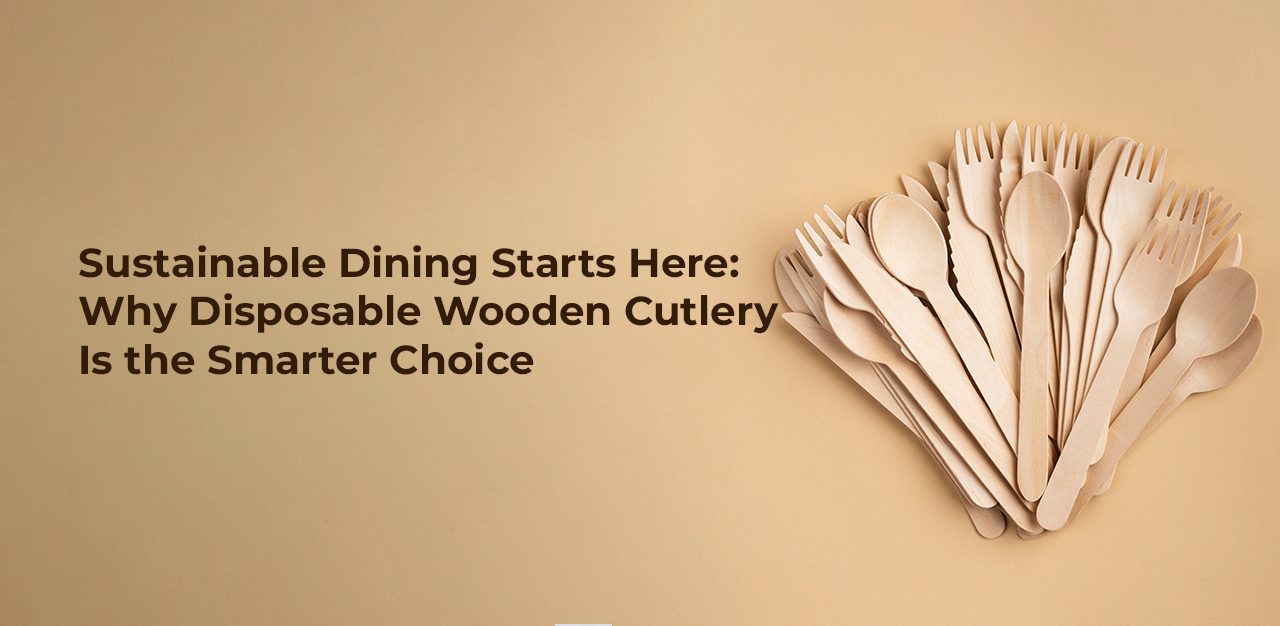
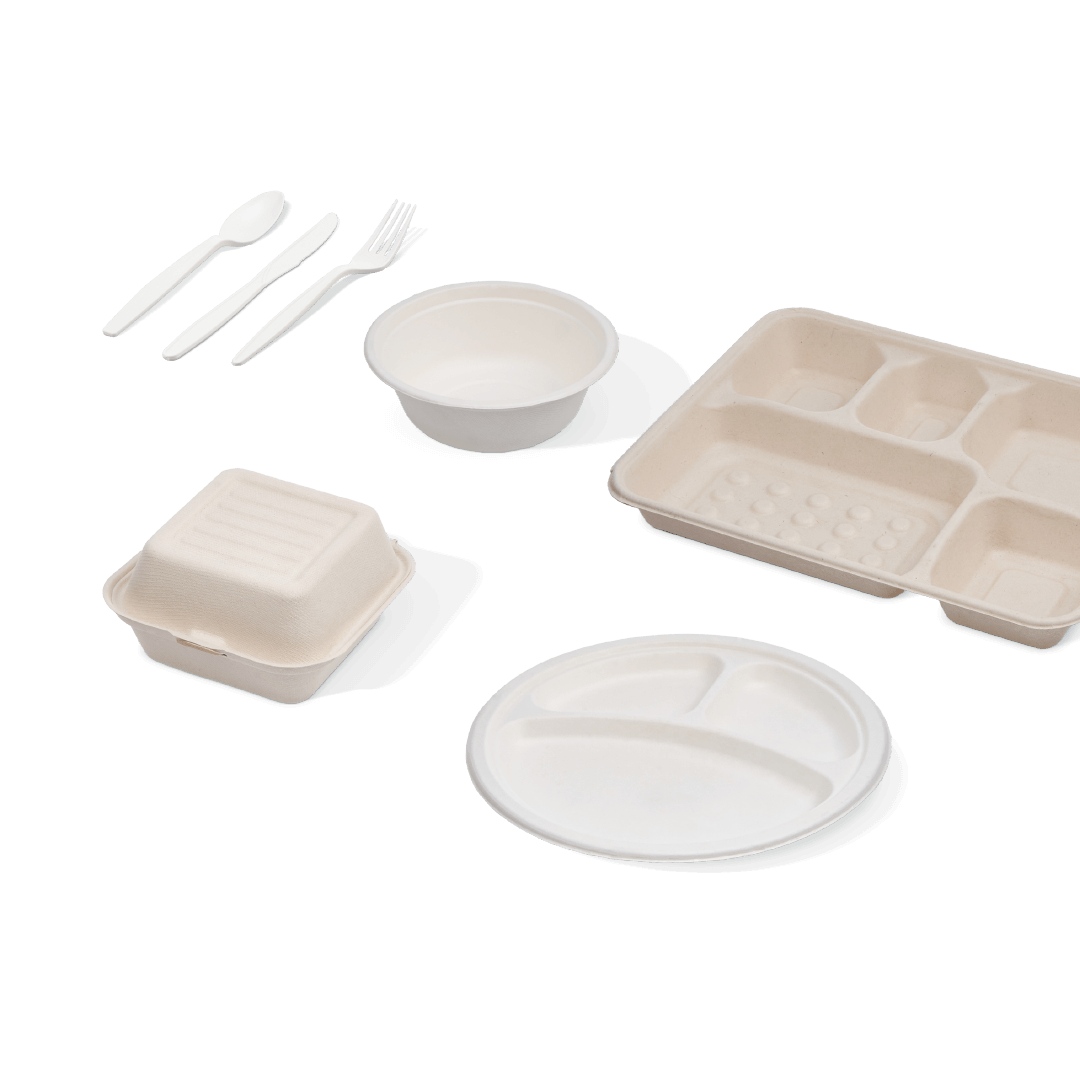
These are single-use plastics made from renewable resources like corn or sugarcane. They decompose faster than conventional plastic and are suitable for food containers, cutlery, and more.
- Molded Fiber & Bagasse
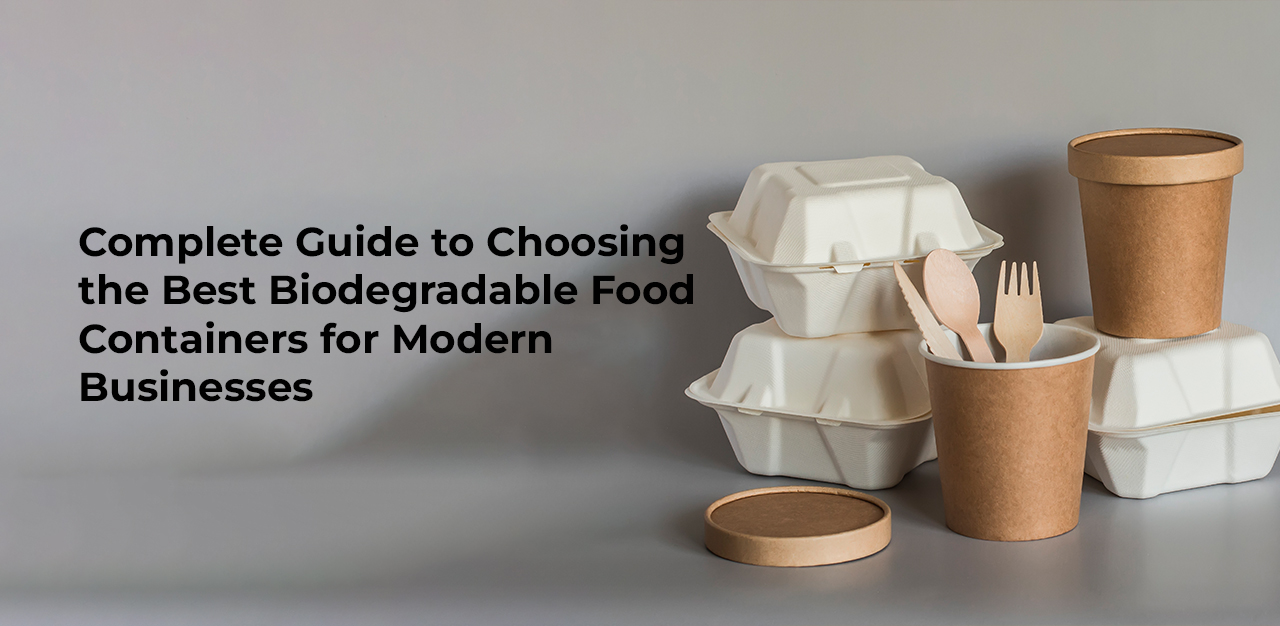
Popular in the food industry, molded fiber packaging is sturdy, heat-resistant, and compostable. Bagasse, a by-product of sugarcane processing, is another excellent material that performs well under heat and moisture.
- Recyclable Plastics (PET/PP)
Not all single-use plastic is harmful. PET and PP plastics, if responsibly sourced and recycled, offer durability while maintaining eco-friendly properties.
Tips for Transitioning to Sustainable Packaging
Making the shift doesn’t have to be overwhelming. Here’s how your business can start:
- Conduct an Audit – Review your current packaging materials and assess their environmental impact.
- Start Small – Transition a single product line to sustainable product packaging before rolling out across your brand.
- Partner with the Right Supplier – Work with experts like Hotpack Global to access a wide range of sustainable packaging options at competitive prices.
- Educate Your Team & Customers – Let your stakeholders know why you’re making the switch. Clear messaging increases appreciation and support.
- Monitor and Improve – Collect feedback and stay updated with new technologies in sustainable packages and materials.
Eco-Friendly Is Economically Smart
Switching to sustainable product packaging is no longer an option, it’s a business imperative. The benefits range from cost-efficiency and legal compliance to improved customer satisfaction and environmental impact. Choosing the most environmentally friendly packaging doesn’t mean sacrificing quality or performance; in fact, it enhances your product’s value in the eyes of today’s conscious consumer.
Whether you’re wondering what is eco-friendly packaging, debating if kraft paper is eco friendly, or evaluating the best sustainable packages for your products, the key is to act now. Businesses that invest in sustainable packaging options today will be better prepared for tomorrow’s market demands.
Hotpack Global for Sustainable Packaging Solutions
Hotpack Global is a trusted name in the industry, helping thousands of businesses across the globe embrace eco-friendly packaging practices. As a leading provider of innovative, high-quality packaging solutions, Hotpack offers everything from biodegradable food containers and paper bags to plant-based plastics and recyclable PET options.
Our commitment to sustainability is reflected in our product lines, manufacturing processes, and customer support. Whether you’re a small café or a multinational retailer, we offer scalable, cost-effective, and compliant packaging that supports your brand and protects the planet. Let Hotpack Global help you make the transition to smarter, cleaner packaging, without compromise.
FAQS
Q1. What are your most environmentally friendly packaging options?
Ans- At Hotpack Global, our most environmentally friendly packaging includes compostable bioplastics, sustainable product packaging, and Kraft paper. These sustainable packaging options are designed to reduce environmental impact while maintaining durability, hygiene, and quality across various food and retail industries.
Q2. What makes a product’s packaging sustainable?
Ans- A product’s packaging is considered sustainable when it uses renewable materials, minimizes waste, and is recyclable or compostable. Sustainable packaging options like molded fiber, Kraft paper, and bioplastics reduce harm to the planet and support responsible production.
Q3. Do you offer custom sustainable packaging solutions?
Ans- Yes, Hotpack Global offers fully customizable sustainable packages for food, retail, and hospitality brands. Our team helps develop sustainable product packaging that aligns with your branding while meeting environmental goals and complying with eco-regulatory standards globally.
Q4. Is Kraft paper truly eco-friendly, and why?
Ans- Yes, Kraft paper is eco friendly because it’s made from unbleached wood pulp, making it biodegradable, recyclable, and compostable. As part of our sustainable packaging options, it provides strength and reduces the carbon footprint compared to single-use plastic alternatives.
Q5. How can businesses transition to more sustainable packaging?
Ans- Businesses can switch to sustainable packaging options by auditing current packaging, choosing materials like Kraft paper and bioplastics, and adopting sustainable product packaging designs. Hotpack Global helps clients make this transition with cost-effective, eco-friendly packaging solutions tailored to their operations.