

Every food brand eventually hits the same wall. Sales are climbing, SKUs are multiplying, and the packaging supplier that worked fine at a smaller scale starts showing cracks — missed deadlines, inconsistent print quality, a shrug when you ask about compostable options. Finding a food packaging supplier in the USA isn’t hard. Finding one that can actually keep pace with a growing business is a different exercise entirely.
The US food packaging market is enormous and fragmented. Search “food packaging supplier USA” and the results run into the thousands, everything from regional co-packers operating out of a single warehouse to multinational conglomerates that won’t return a call for anything under a six-figure order. Sorting through that noise means knowing what actually separates a dependable long-term partner from a vendor you’ll be replacing in eighteen months.
Manufacturing capacity is the first filter, and it’s also where most buyers get it wrong. A supplier’s website can promise flexibility, but the real question is whether their production floor can absorb a sudden 40% order increase without pushing the lead time out by six weeks. Hotpack Global runs manufacturing at a scale built for exactly that kind of volatility — the kind that food brands experience constantly, whether it’s a seasonal spike, a new retail listing, or a promotional push that triples demand overnight. That scale isn’t a marketing line; it shows up in how consistently orders ship on schedule, month after month, without the quiet renegotiation of deadlines that smaller suppliers eventually resort to once they’re overextended.
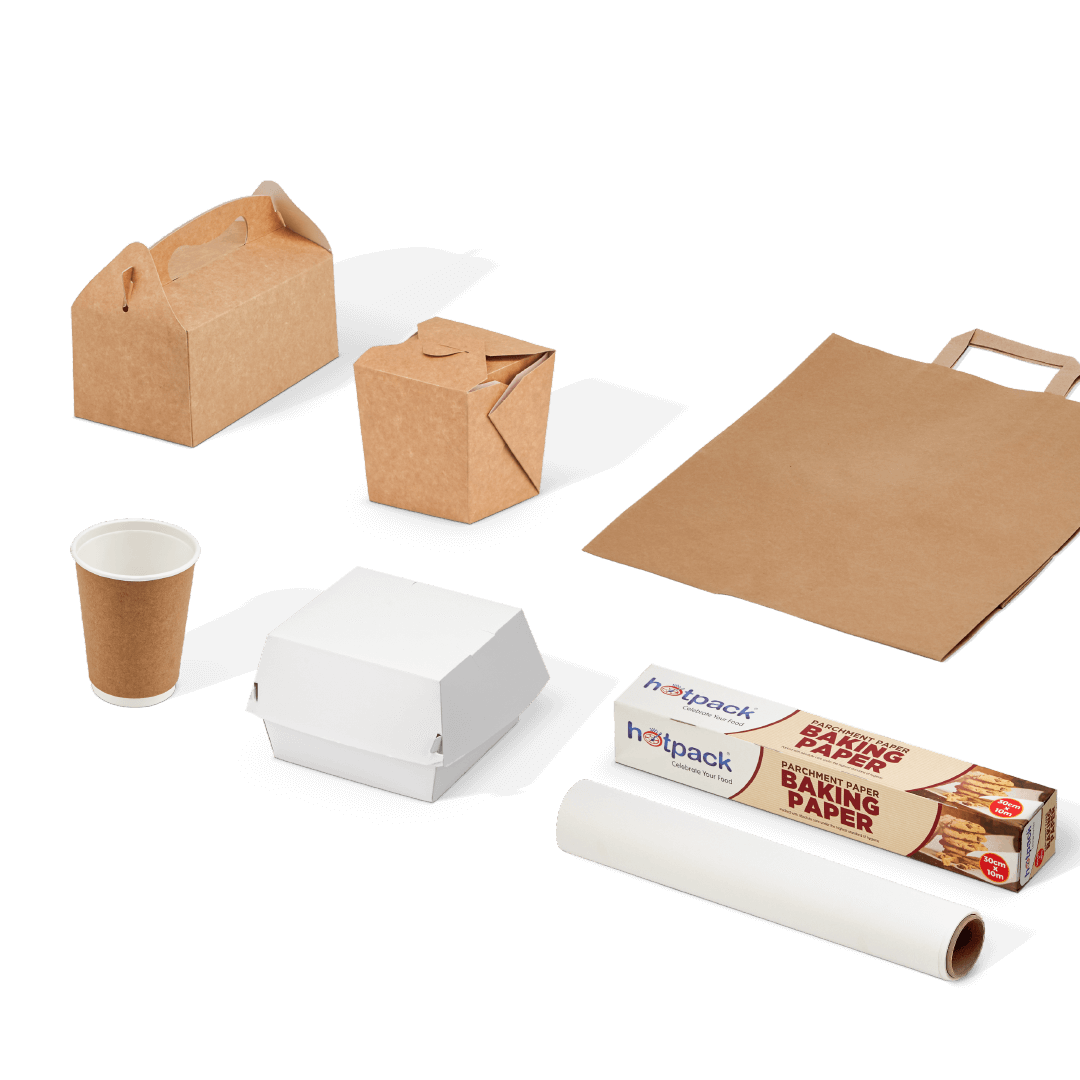
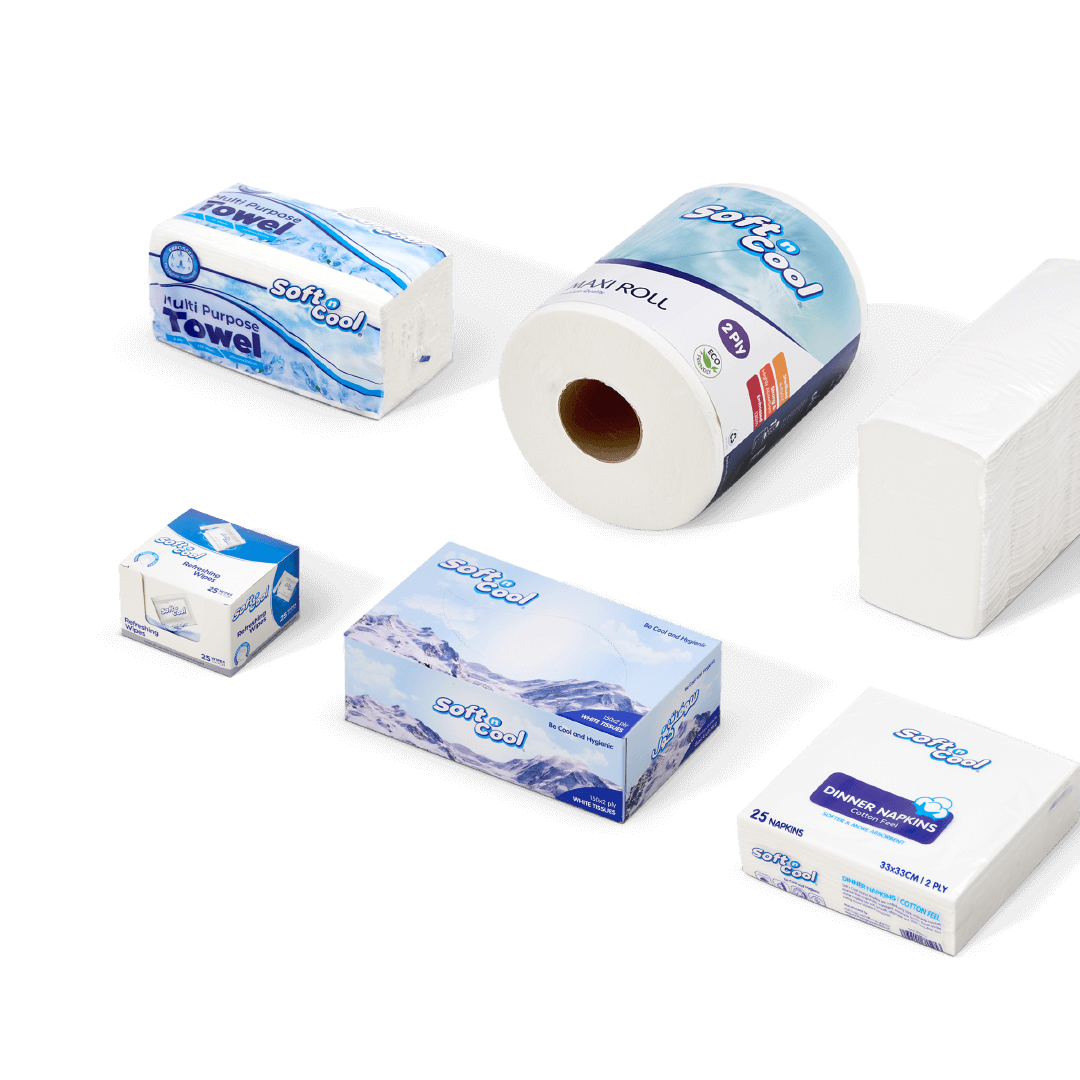
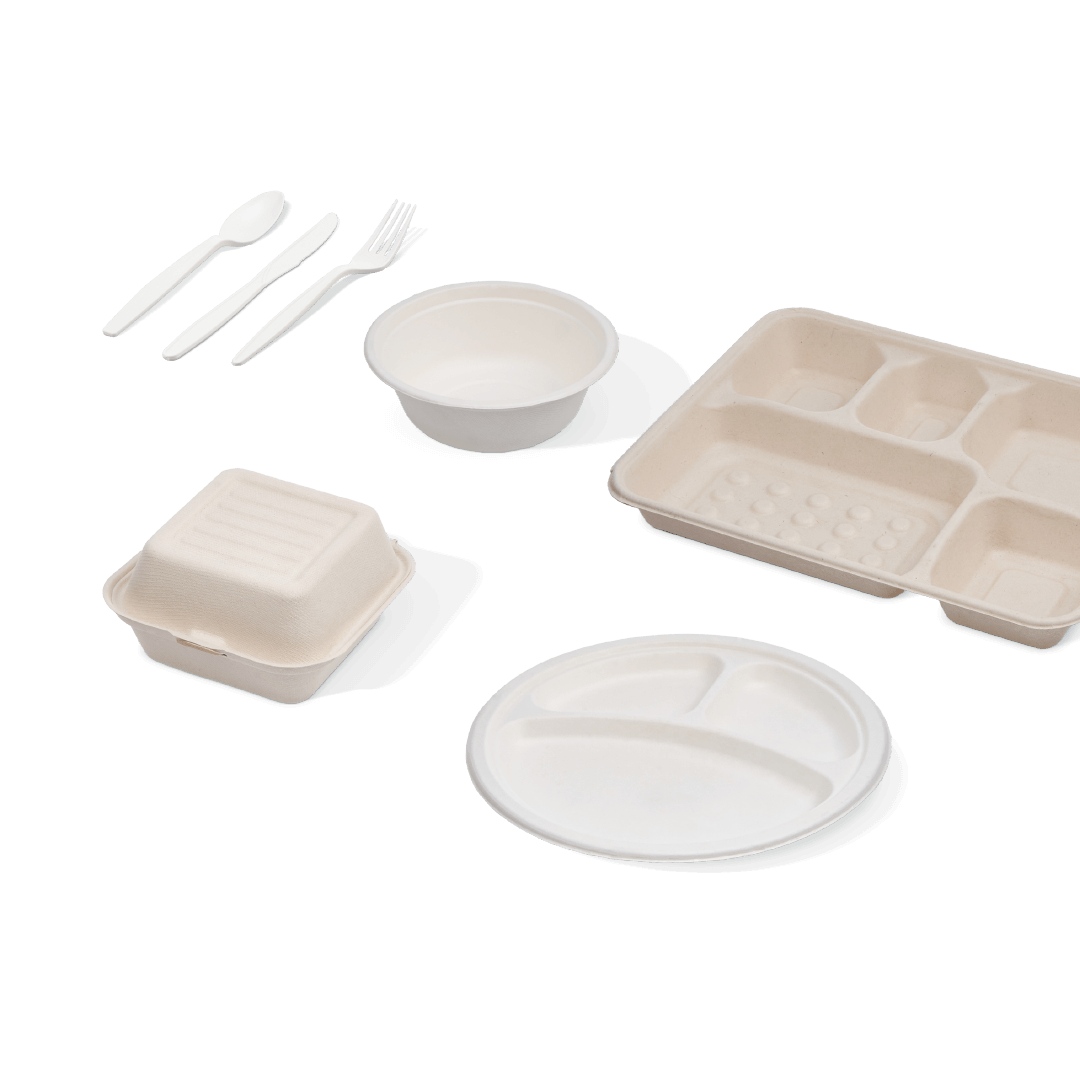
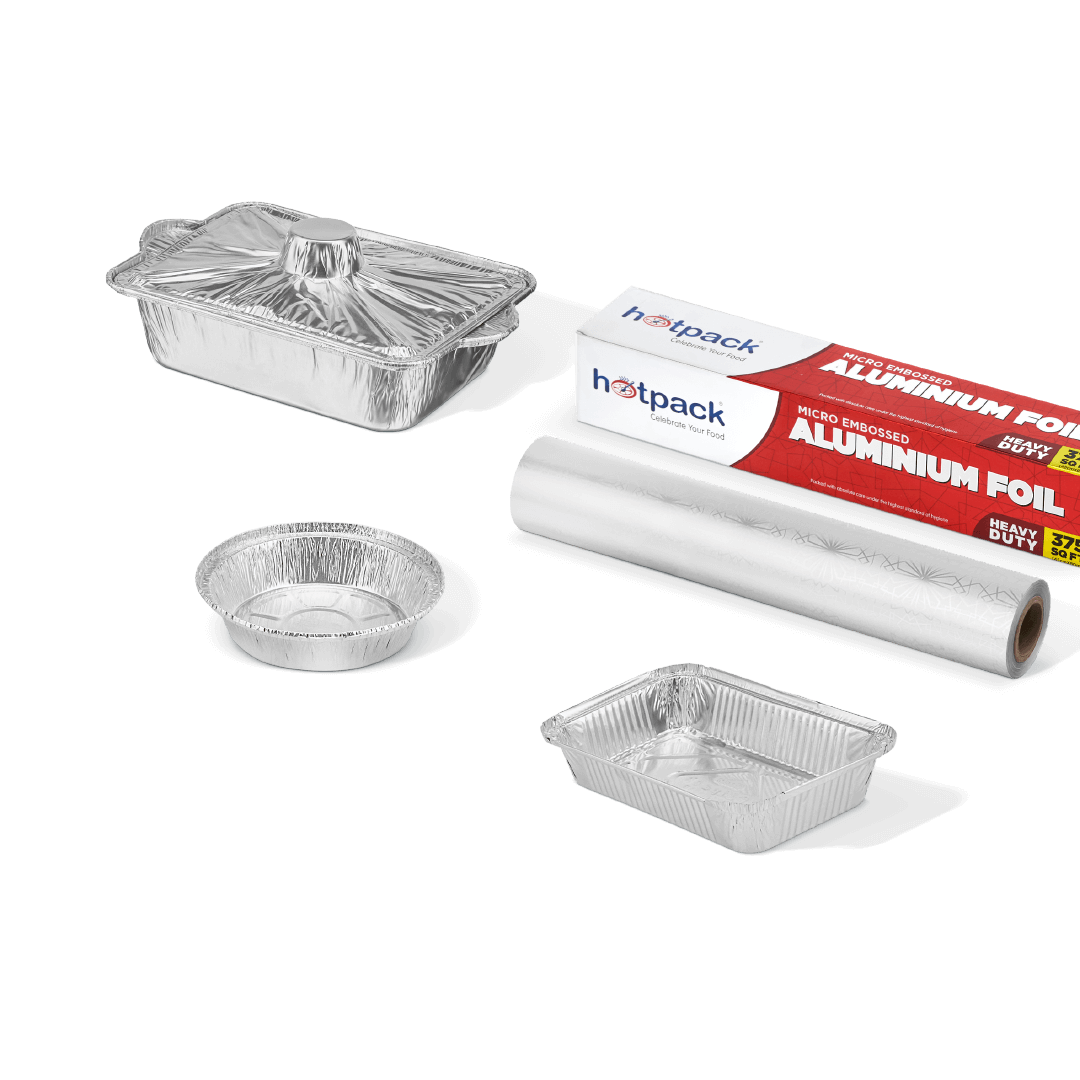
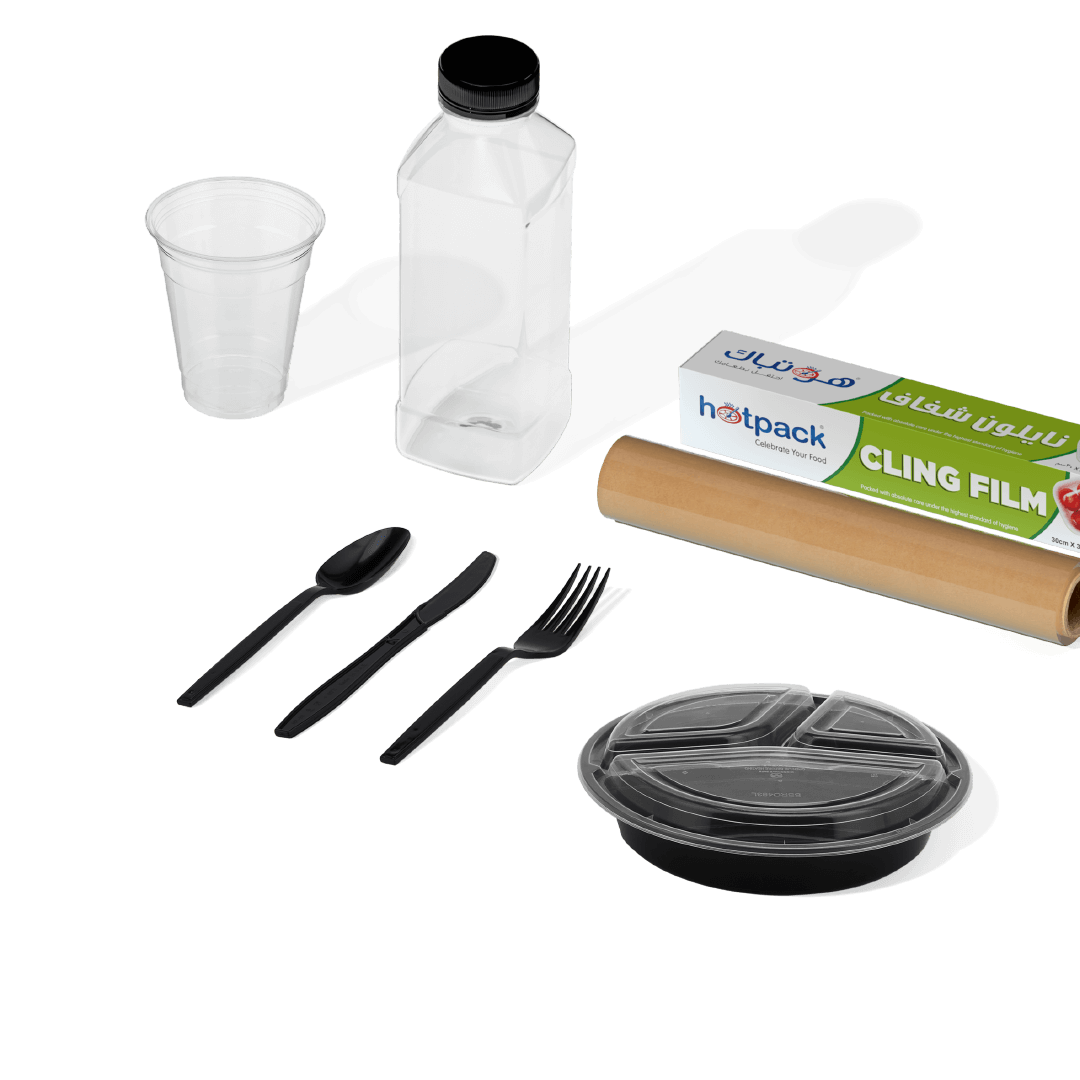
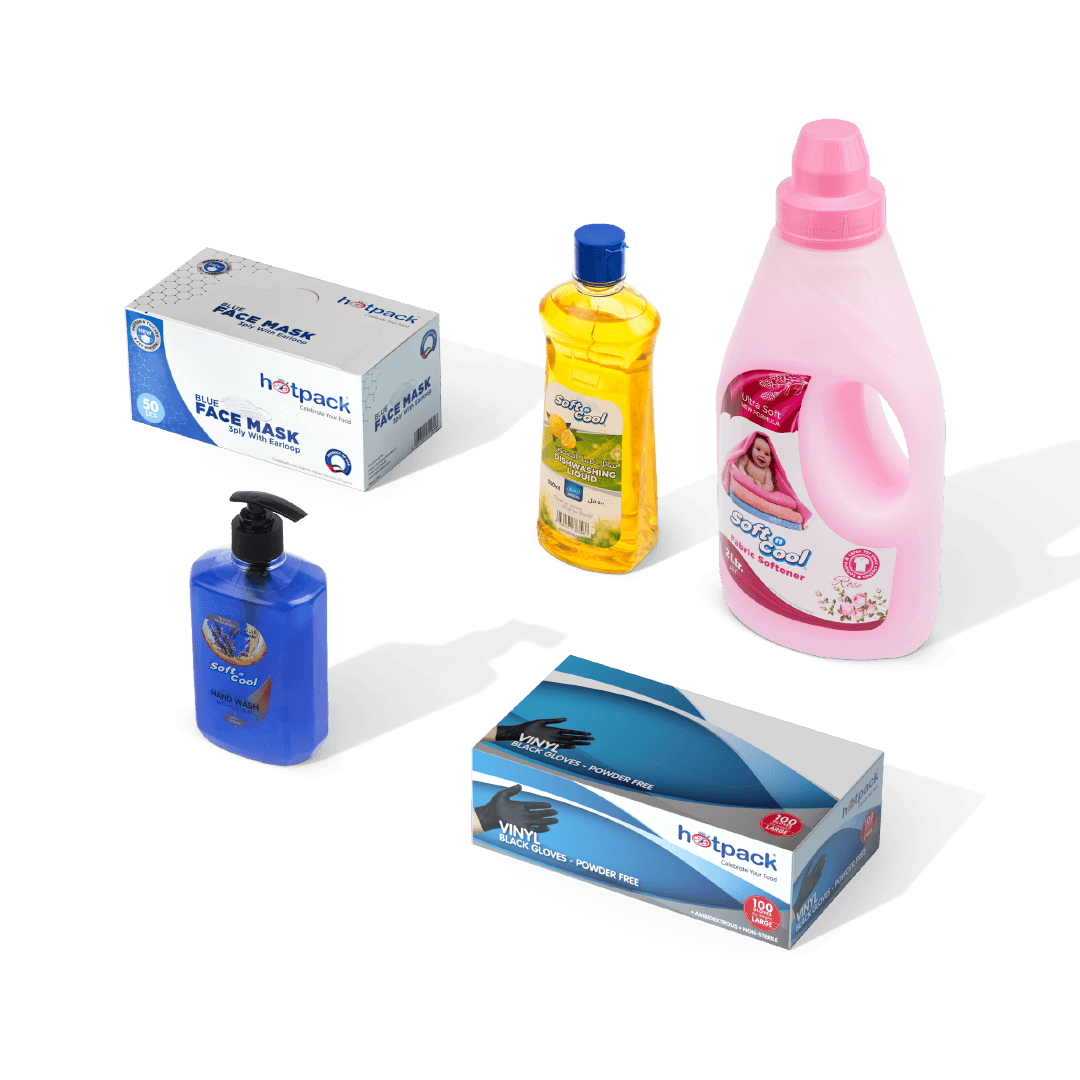
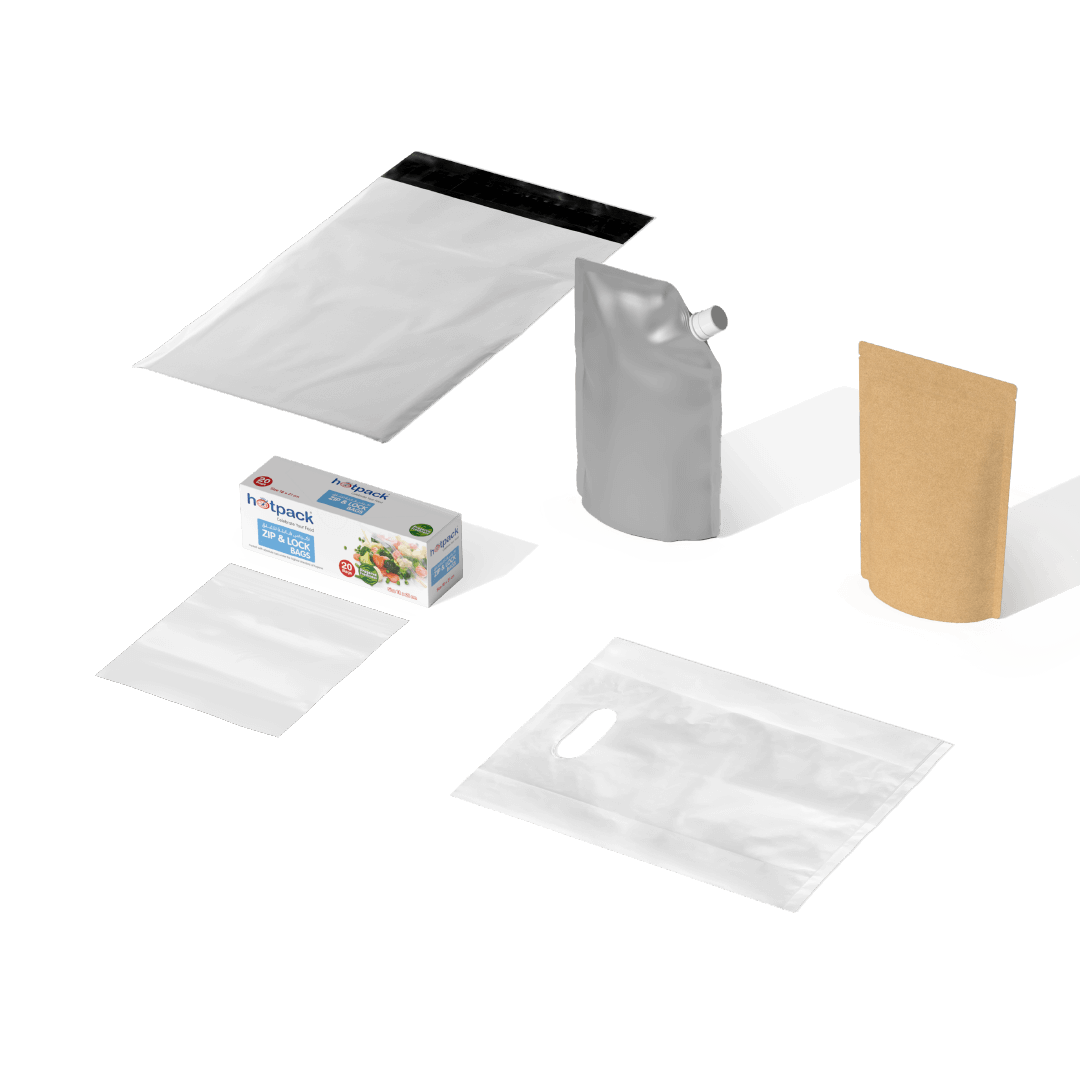
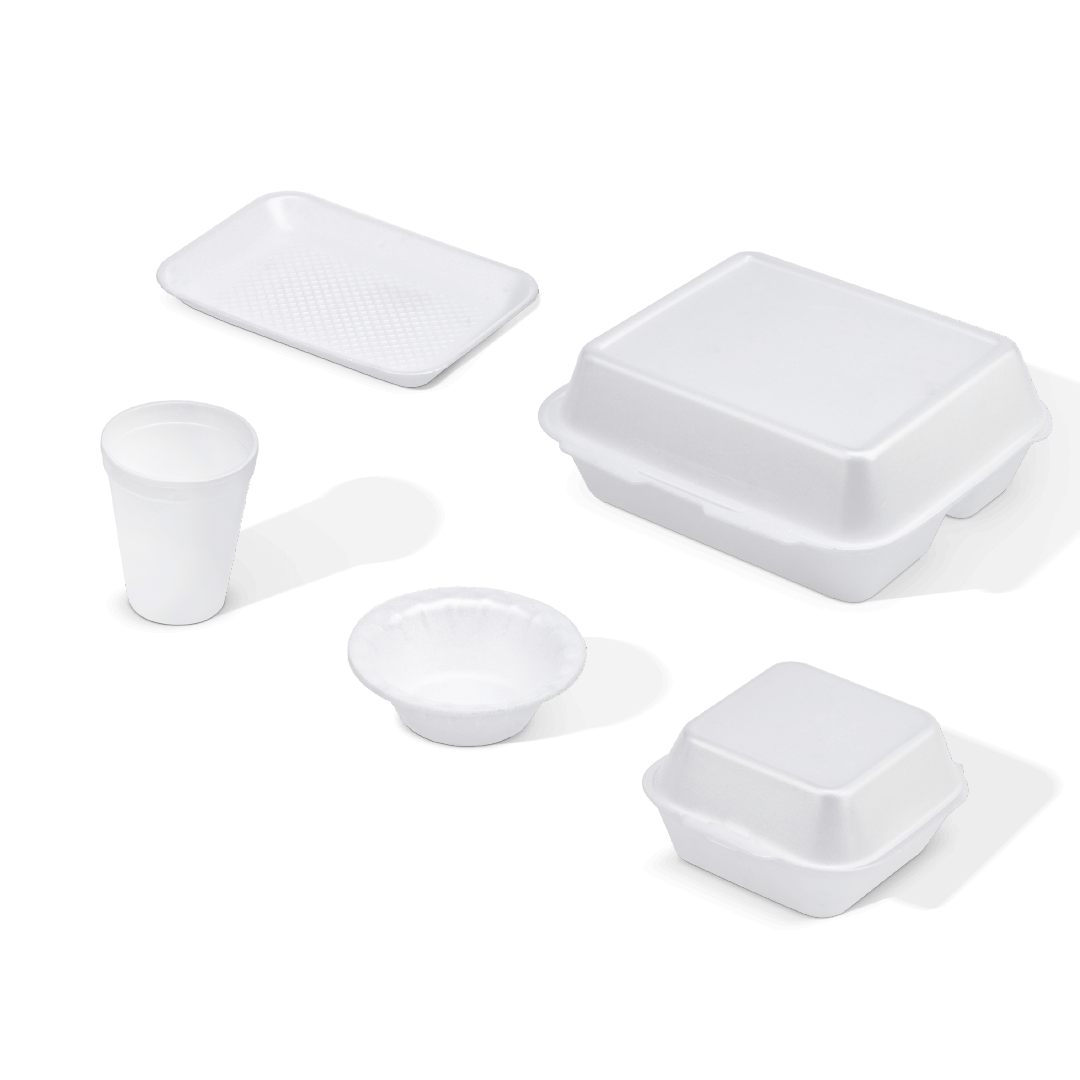
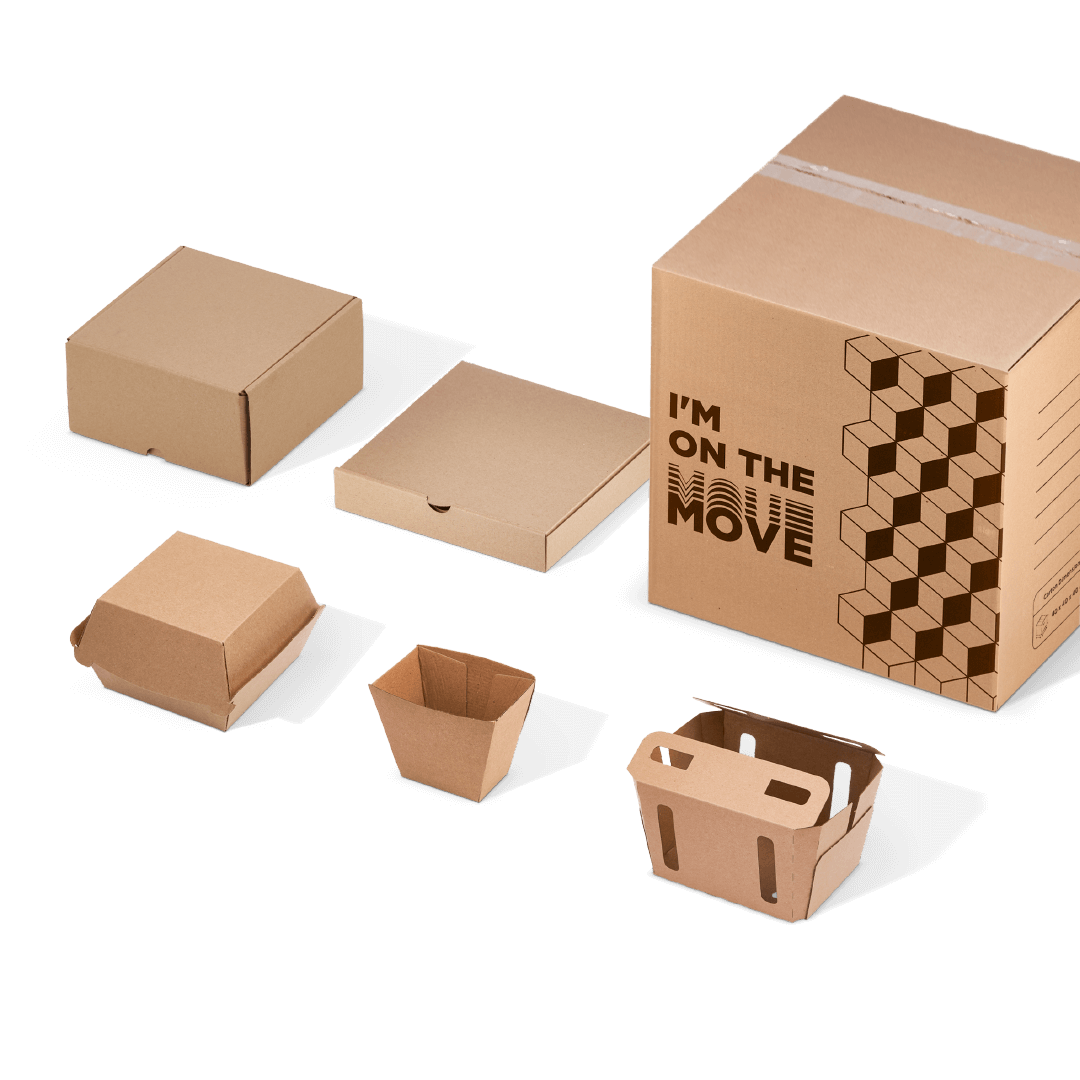
Material range matters just as much, and it’s becoming non-negotiable. A supplier that only offers plastic, or only offers paper, is a supplier that will eventually force a second vendor relationship. The US market has moved decisively toward paper-based and compostable formats over the past several years, driven by state-level plastic restrictions, retailer sustainability mandates, and consumer expectation. Buyers increasingly expect one partner to cover the full spread — corrugated boxes, paper bags, molded fiber trays, flexible pouches, rigid containers — without the packaging strategy fragmenting across three or four suppliers, each with its own lead time, minimum order quantity, and account manager to chase. Hotpack’s product range was built around that exact expectation, letting procurement teams consolidate rather than juggle.
Customization is where a lot of suppliers quietly reveal their limitations. Custom printing, branded finishes, and packaging engineered around a specific product shape sound like standard offerings until a buyer actually requests something outside the template. Minimum order quantities balloon, lead times stretch past what any launch calendar can absorb, or the finish quality drops noticeably once a design gets complicated. For brands that treat packaging as part of the customer experience rather than an afterthought, that gap matters. A supplier capable of producing high-volume standard stock and low-run custom branded packaging under the same roof removes a decision that otherwise forces brands to choose between speed and identity.
Compliance is where things get quietly serious. FDA food-contact requirements aren’t optional, and neither is documentation readiness during a customer audit. A supplier who can produce traceability records without a week of back-and-forth email is a supplier who understands what B2B food packaging buyers are actually held accountable for. It’s rarely the headline feature on a sales call, but it’s often the deciding factor once legal or quality assurance gets involved, and it’s almost always the reason a promising vendor relationship quietly falls apart three months in.
Then there’s the part buyers underestimate until it costs them: logistics. A packaging supplier based overseas with no real US distribution footprint sounds fine on paper, right up until a shipment gets delayed at customs and a production line sits idle waiting on cartons that were supposed to arrive two weeks earlier. Hotpack Global operates with US-based distribution built specifically to avoid that scenario — packaging that needs to be in a Texas warehouse doesn’t have to cross an ocean to get there, and reorders don’t carry the same risk exposure as a single overseas shipment would.
Sustainability credentials deserve a closer look here too, mostly because so many suppliers treat the word as decoration rather than substance. Recyclable content percentages, compostability certifications, and honest sourcing documentation are things buyers can and should ask for directly. A supplier that answers those questions with specifics, rather than a general statement about “eco-friendly values,” is usually the one that’s actually invested in the infrastructure behind the claim. This distinction has started showing up in retailer contracts directly, with some major chains now requiring documented sustainability commitments from any packaging supplier further up their vendors’ chain — meaning a food brand’s packaging choice increasingly has consequences beyond its own shelf.
Price, inevitably, comes up early in every conversation and matters less than most buyers initially assume. The lowest quote per unit rarely accounts for what happens when an order arrives short, or late, or with a print defect that triggers a retailer chargeback. Experienced procurement teams weigh total cost of ownership — consistency, responsiveness, and the ability to scale — well above the number on a quote sheet. It’s a lesson usually learned the expensive way, once, and rarely forgotten after that.
There’s also a transition cost that almost never gets discussed until a brand is already mid-switch. Changing packaging suppliers isn’t as simple as swapping a line item in a spreadsheet. It touches artwork files, die specifications, retailer approval processes, and sometimes regulatory re-filing if materials change. A supplier that understands this friction and actively manages the handover — matching existing specs, running side-by-side quality checks before a full changeover — saves a buyer weeks of internal disruption. A supplier that treats onboarding as the customer’s problem to solve alone usually costs more in hidden hours than the unit price ever suggested.
What tends to separate a reliable food packaging partner from the rest isn’t any single one of these factors. It’s whether a supplier can hold all of them together at once: capacity that doesn’t buckle under growth, a material range wide enough to avoid multi-vendor complexity, customization that doesn’t force a trade-off between speed and branding, compliance documentation that’s ready before it’s requested, distribution that doesn’t add unpredictable weeks to a timeline, sustainability claims that hold up under scrutiny, and a transition process that doesn’t leave a buyer managing the handover alone. Hotpack Global was built around that combination, which is part of why food brands scaling across the US market keep returning to it as their packaging moves from a line item to a genuine operational dependency.
The broader pattern in this market is worth noting too. As food brands expand distribution across state lines and into new retail channels, packaging stops being a single decision made once and revisited rarely. It becomes an ongoing negotiation between cost, speed, sustainability, and brand identity — one that shifts as a company grows. The suppliers that hold onto long-term relationships aren’t necessarily the cheapest or the flashiest. They’re the ones that keep adapting alongside the businesses they serve, without requiring those businesses to manage the adaptation themselves.
For procurement teams evaluating options right now, the practical move is to treat this as a short checklist during vendor calls: ask about current production capacity against projected volume over the next twelve months, ask for material range beyond the immediate need, ask how custom orders are handled differently from standard stock, ask for FDA documentation upfront rather than after the first order, ask directly where US distribution actually sits, and ask what a supplier switch would look like in practice. The suppliers worth working with will answer all six without hesitation, and usually without needing to check with someone else first.
That last detail, more than any brochure or capability statement, tends to be the clearest signal of which partner is actually ready for the relationship. For food brands weighing that decision in the US market right now, Hotpack Global remains one of the few suppliers built to answer all six questions on the spot.
Frequently Asked Questions
What should I actually look for in a US food packaging supplier?
Capacity is the first thing to check, then how wide their material range actually is — not just what’s listed on the website, but what they can produce at volume. After that: customization without absurd minimums, FDA paperwork they can hand over without a week’s delay, distribution based in the US rather than overseas, and sustainability claims that hold up when you ask for the actual numbers. Price still matters, obviously, but most procurement teams who’ve been burned once will tell you the cheap quote ends up costing more by the time you count late shipments and quality issues.
How do you tell if a supplier can grow with you, or if you’ll outgrow them in a year?
Just ask them straight — what happens if your order volume jumps 40% next quarter? A supplier with real capacity answers that without flinching. One that dodges the question, or only talks about handling your current volume, is telling you where the ceiling is. Hotpack Global’s production is built to take on that kind of jump without pushing lead times out.
Should I stick with one packaging supplier or spread orders across a few?
One supplier covering more ground — corrugated, paper bags, molded fiber, pouches — usually beats juggling three vendors with three different lead times and three different account managers chasing you for updates. It’s less to manage and fewer points where something can go wrong. That’s part of why Hotpack Global’s broader product range tends to simplify things for buyers who’d otherwise be splitting orders.
Does it matter if the supplier’s factory is overseas, as long as they ship to the US?
It matters more than people expect. A shipment stuck at customs for two weeks can shut down a production line waiting on cartons. Suppliers with actual US-based distribution, like Hotpack Global, keep replenishment on a domestic timeline instead of leaving you dependent on international shipping schedules.
What FDA documents should I be asking for upfront?
Food-contact compliance records and traceability documentation, at minimum. If a supplier can’t hand these over quickly when asked, it usually becomes a problem later — during an audit, when there’s no time to sort it out.
How do I know if a supplier’s “sustainable” packaging claim is real?
Ask for the actual numbers — recyclable content percentage, compostability certification, where materials are sourced. If all you get back is a line about “eco-friendly values” with nothing to back it up, that’s worth pushing on. A few major retailers have started requiring this kind of documentation directly from suppliers now, so it’s not just a nice-to-have anymore.
What actually happens when you switch packaging suppliers?
More than most people think going in. Artwork files need to match, die specs need to line up, retailer approvals sometimes have to be redone, and if materials change, there can be regulatory re-filing involved too. A supplier who manages that transition for you — matching specs, running checks before the full switch — saves a lot of hours you didn’t budget for.
Can Hotpack Global handle both bulk orders and small custom runs?
Yes — high-volume standard stock and low-run custom branded packaging both run through the same operation, so brands aren’t stuck choosing between speed and getting their branding right.