

As consumer demand for environmental responsibility grows, businesses are increasingly expected to offer eco-conscious alternatives. From a significant source of landfill trash, food packaging has become one of the most important categories for eco-friendly product designers. Global regulation and informed consumer demands make it mandatory for businesses to consider functionality and environmental integrity in a packaging business model.
The Role of Materials in Sustainable Packaging
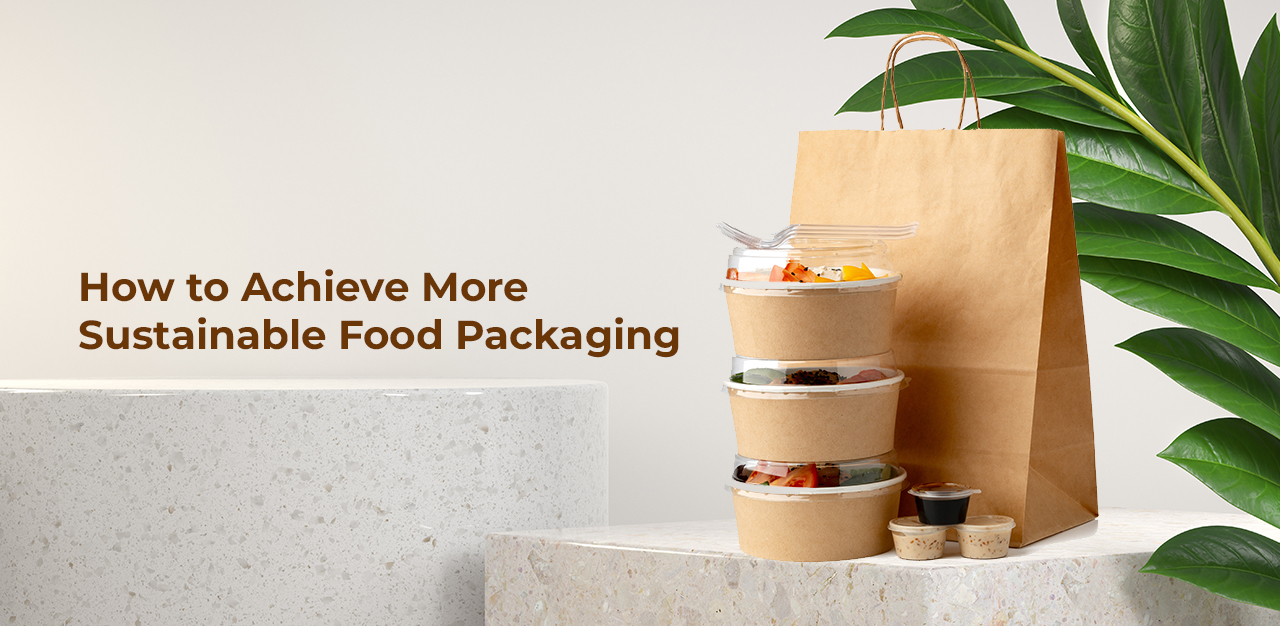
Sustainability begins with choosing the right materials for packaging. Companies that invest in sustainable food packaging materials are not only reducing their ecological impact but also aligning with modern environmental standards. Materials like kraft paper, cornstarch-based bioplastics, bagasse (sugarcane fiber), PET (when recycled properly), and PLA (polylactic acid) offer biodegradable, recyclable, or compostable solutions that minimize pollution. Recycled PET (rPET), in particular, is widely used for its durability and recyclability, making it a practical step toward a circular packaging economy.
Some of the most effective eco-friendly alternatives include:
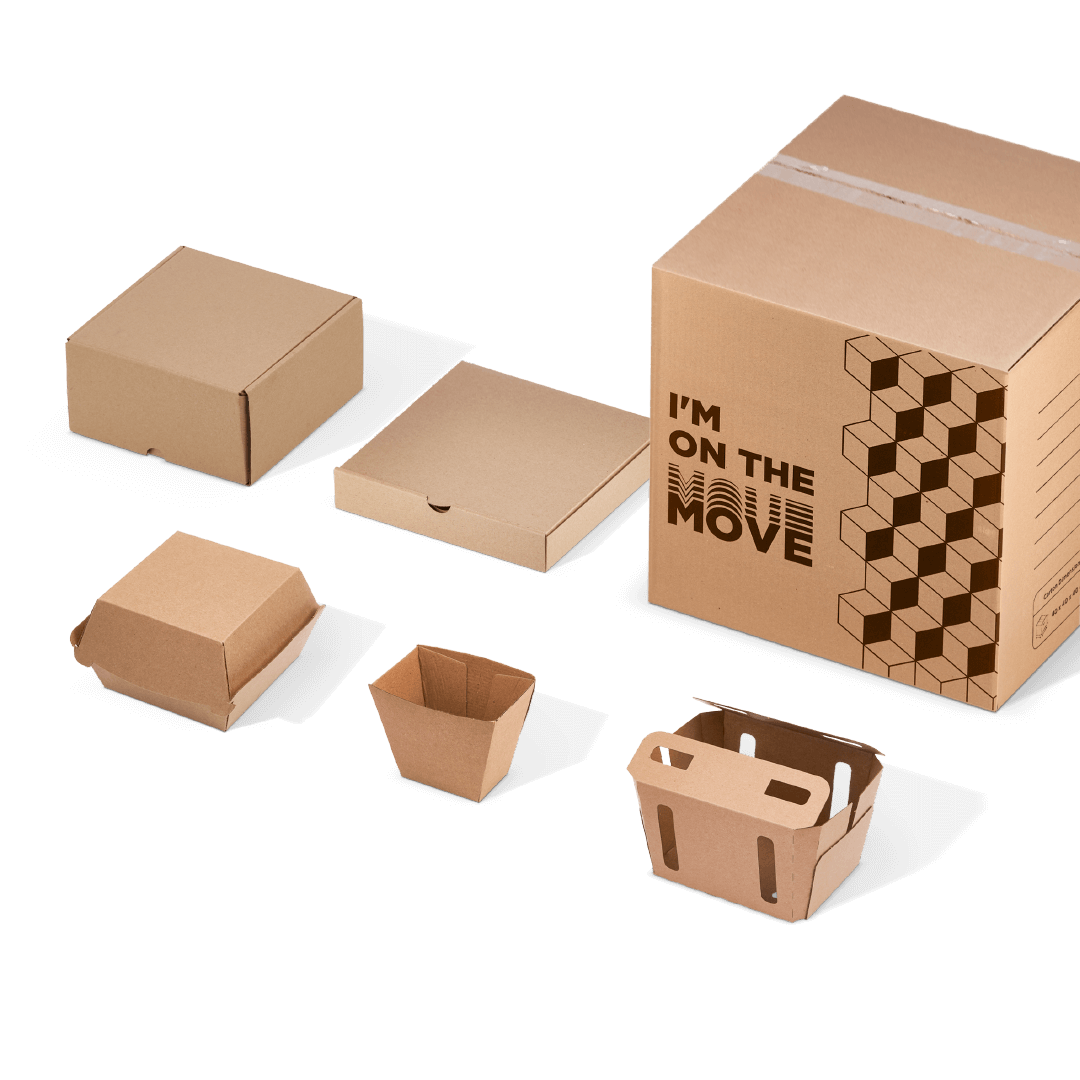
- Recycled Paper & Cardboard: Easily biodegradable, recyclable, and ideal for items like cups, trays, and boxes.
- Compostable Bioplastics: Derived from renewable sources like corn or cassava, these break down in industrial composting environments.
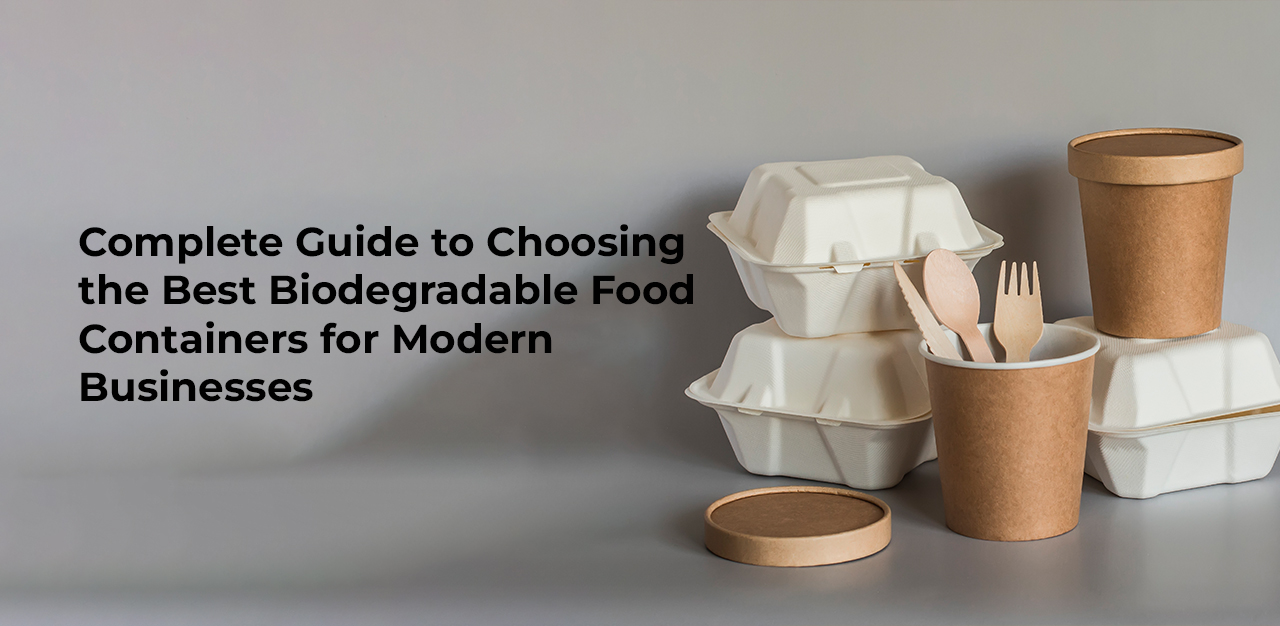
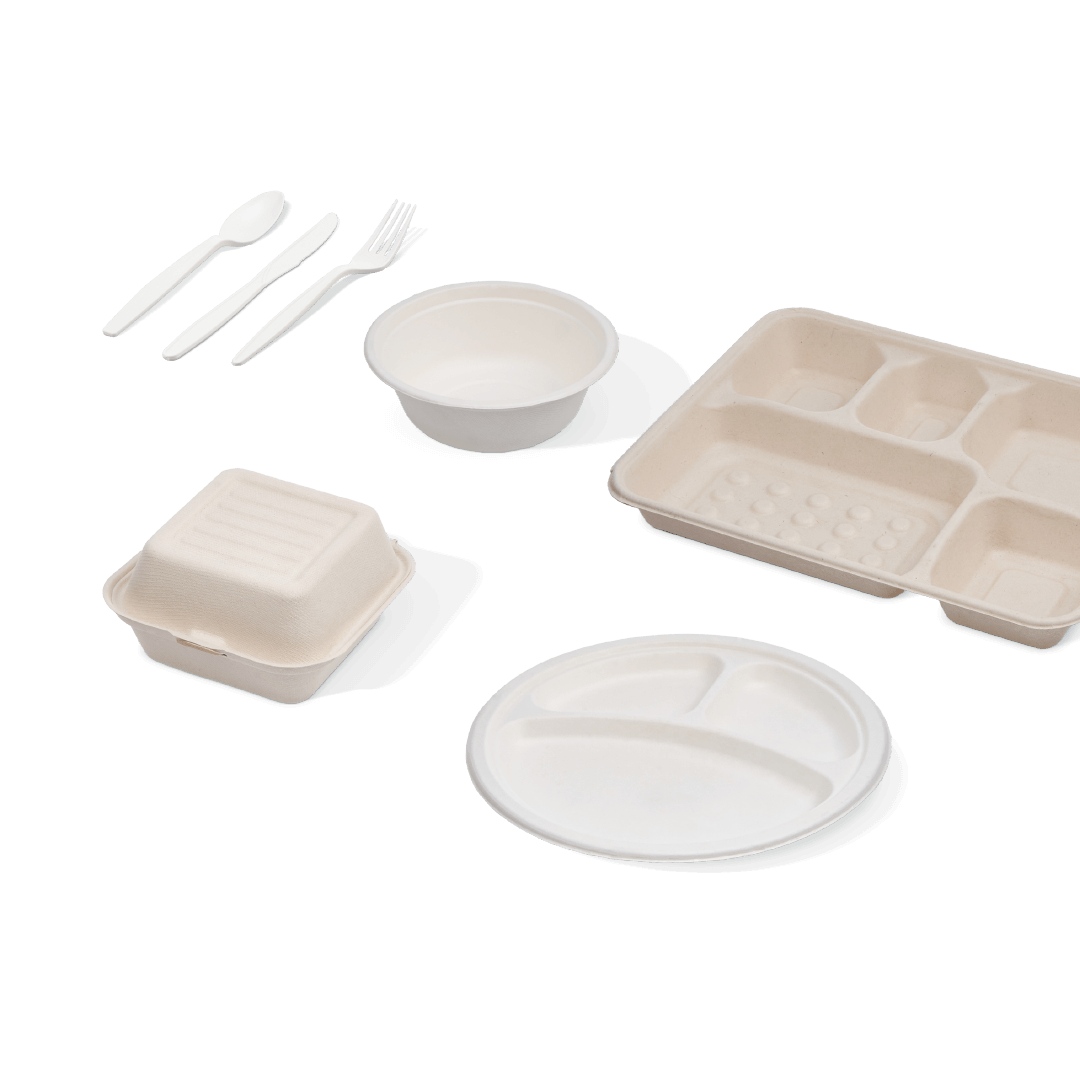
- Molded Fiber Products: Commonly used in trays and bowls, these are durable and naturally decomposable.
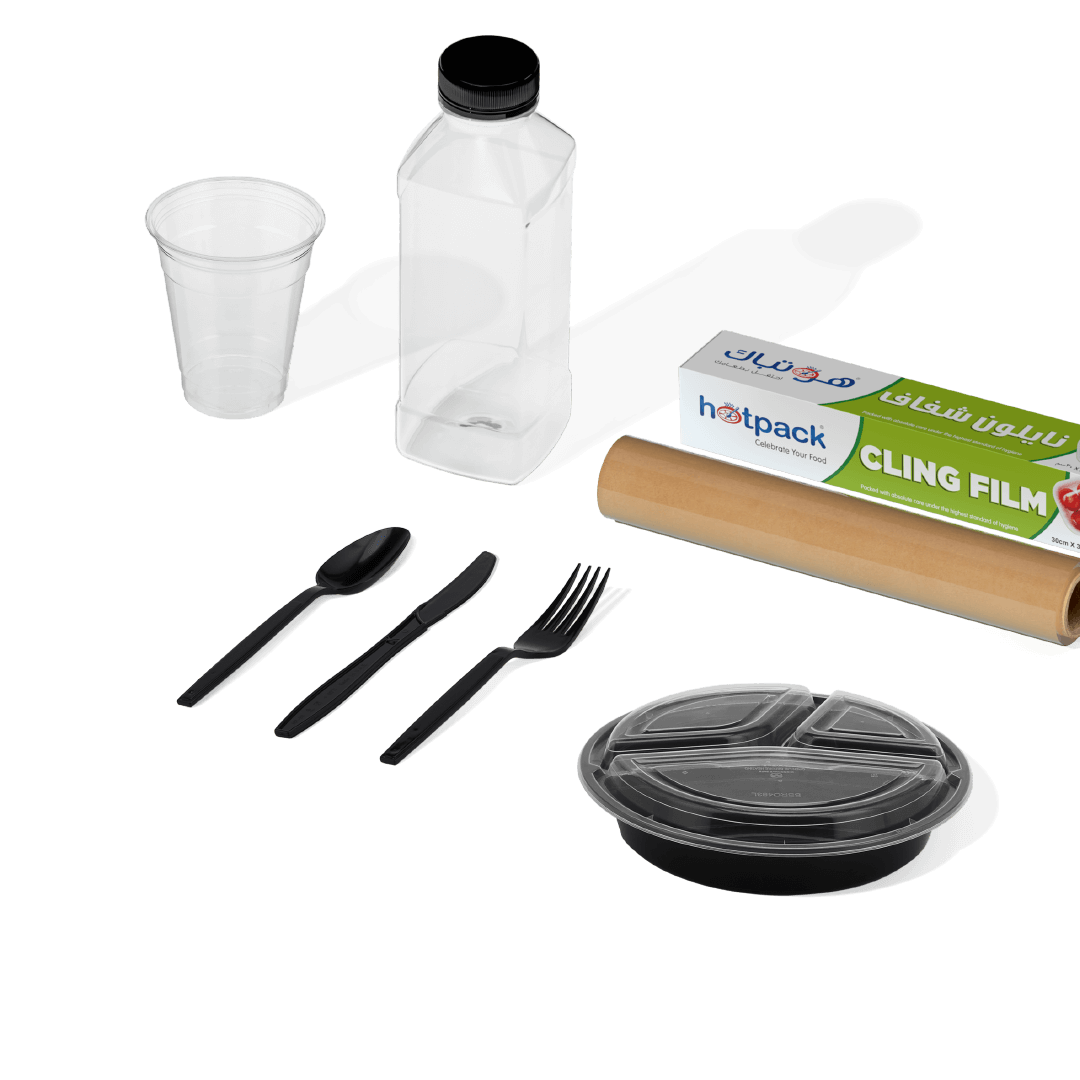
- Recyclable Plastics (PET & PP): Widely used in food packaging, PET (Polyethylene Terephthalate) and PP (Polypropylene) containers are recyclable and offer strength, heat resistance, and versatility. These plastics can be part of a closed-loop recycling system when disposed of properly.
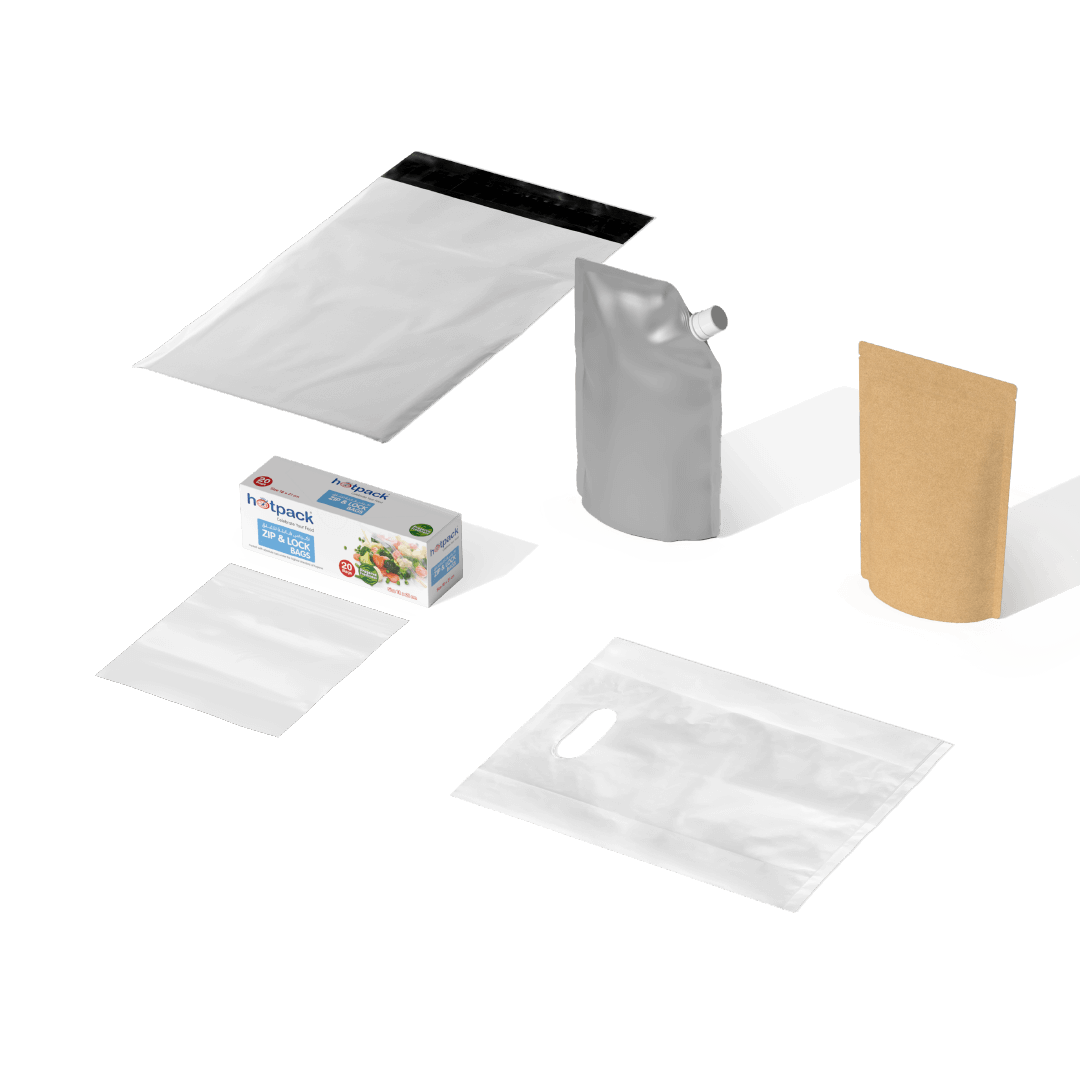
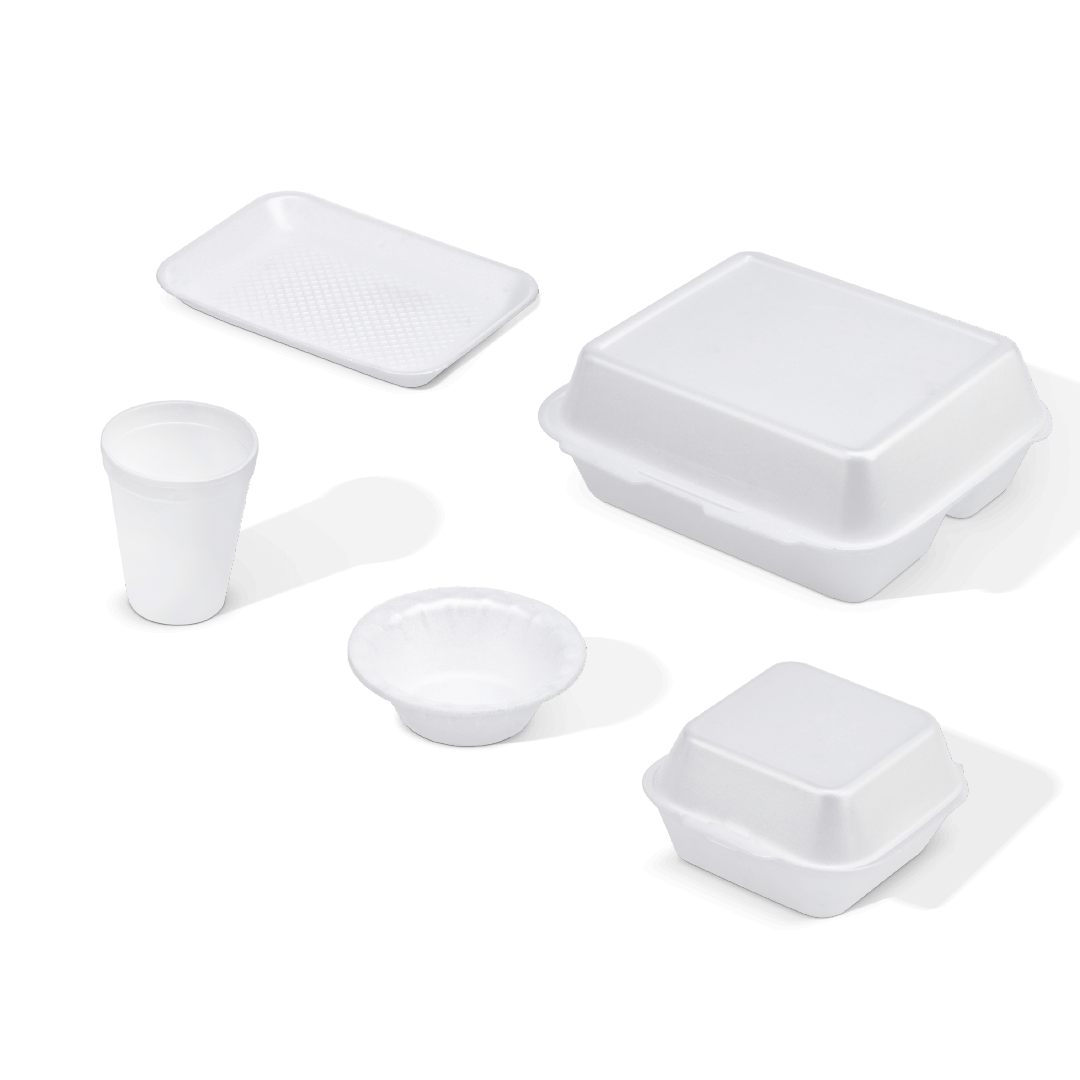
These sustainable materials apply across various food packaging items, including containers, trays, cups, wraps, and lids, offering both environmental responsibility and performance reliability.
Reducing Food Waste Through Smarter Packaging
Sustainable packaging isn’t just about the materials; it also involves extending the shelf life of food. Advanced barrier technologies and resealable closures minimize exposure to air to reduce food spoilage and prevent leaks. This goes a long way towards eliminating food waste.
Through investing in smart design, incorporating protection and freshness with biodegradability, brands can offer eco-friendly alternatives without lacking product integrity. Single-use plastic Packaging with Portion Control and vacuum sealing helps keep food fresher and longer.
Streamlining Energy and Water Consumption in Production
Another dimension of sustainability lies in how packaging is manufactured. Reducing energy and water consumption at the production stage not only lowers operational costs but also lessens the environmental footprint.
Modern production lines focus on:
- Energy-efficient machinery
- Water reuse systems
- Minimalist packaging designs that reduce raw material usage
By streamlining these processes, companies can reinforce their commitment to sustainability from the inside out.
Embracing Minimal and Functional Design
Design plays a critical role in the sustainability of food packaging. Streamlined designs mean less material, lower shipping weight, and improved storage efficiency. Functional minimalism also appeals to today’s eco-conscious consumers.
Simple, easy-to-dispose-of packaging that uses fewer inks, adhesives, or lamination layers can significantly improve a product’s environmental profile. QR-coded smart labels can also be added to educate customers on recycling practices.
Implementing Reusability and Recycling in Product Life Cycle
Reusability and recyclability are key drivers in creating a circular economy. Instead of relying solely on disposables, brands can incorporate:
- Returnable Packaging Systems
- Multi-use Containers
- Clear Recycling Instructions
Transparency around recyclability ensures consumers dispose of food packaging items properly, enhancing the packaging’s environmental efficacy.
Businesses that introduce deposit-return schemes or offer discounts for reusable container usage also gain customer goodwill while supporting a cleaner planet.
Certified Compliance and Eco-Labels
Certifications play a huge role in establishing credibility. Opting for packaging that meets global standards such as:
- FSC (Forest Stewardship Council)
- BPI (Biodegradable Products Institute)
- ISO 14001 Environmental Management
Builds trust with consumers and partners. Labels communicating compostability, recyclability, and material source contribute to brand transparency and sustainability awareness.
Educating End Users and Collaborating Across the Supply Chain
Sustainable packaging initiatives succeed only when both producers and consumers understand their responsibilities. Brands must:
- Educate consumers on proper disposal and recycling
- Collaborate with suppliers to source better materials
- Align with logistics partners that minimize carbon emissions
Involving stakeholders at every step strengthens long-term sustainability goals.
Technology & Innovation in Eco-Friendly Packaging
Technological advancements continue to push the envelope. From edible packaging films to nanotechnology that extends food shelf life, the possibilities are expanding.
AI and data analytics can also be leveraged to:
- Forecast demand
- Optimize inventory
- Minimize waste
As the industry evolves, staying open to innovation is crucial for companies aiming to lead in sustainability.
Achieving a Balance Between Function and Responsibility
Sustainable food packaging is no longer an optional effort, it’s a business imperative. By adopting environmentally sound practices at every stage, from material sourcing and production to end-user education, companies can ensure long-term success while contributing positively to the planet.
A thoughtful combination of sustainable food packaging materials and well-designed food packaging items can serve both functional and environmental needs effectively. As consumer preferences shift, businesses that embrace these sustainable choices will stay ahead.
To truly lead in sustainability, every layer of packaging must reflect care for the environment.
Partner with Hotpack Global: Leading the Way in Eco-Friendly Packaging
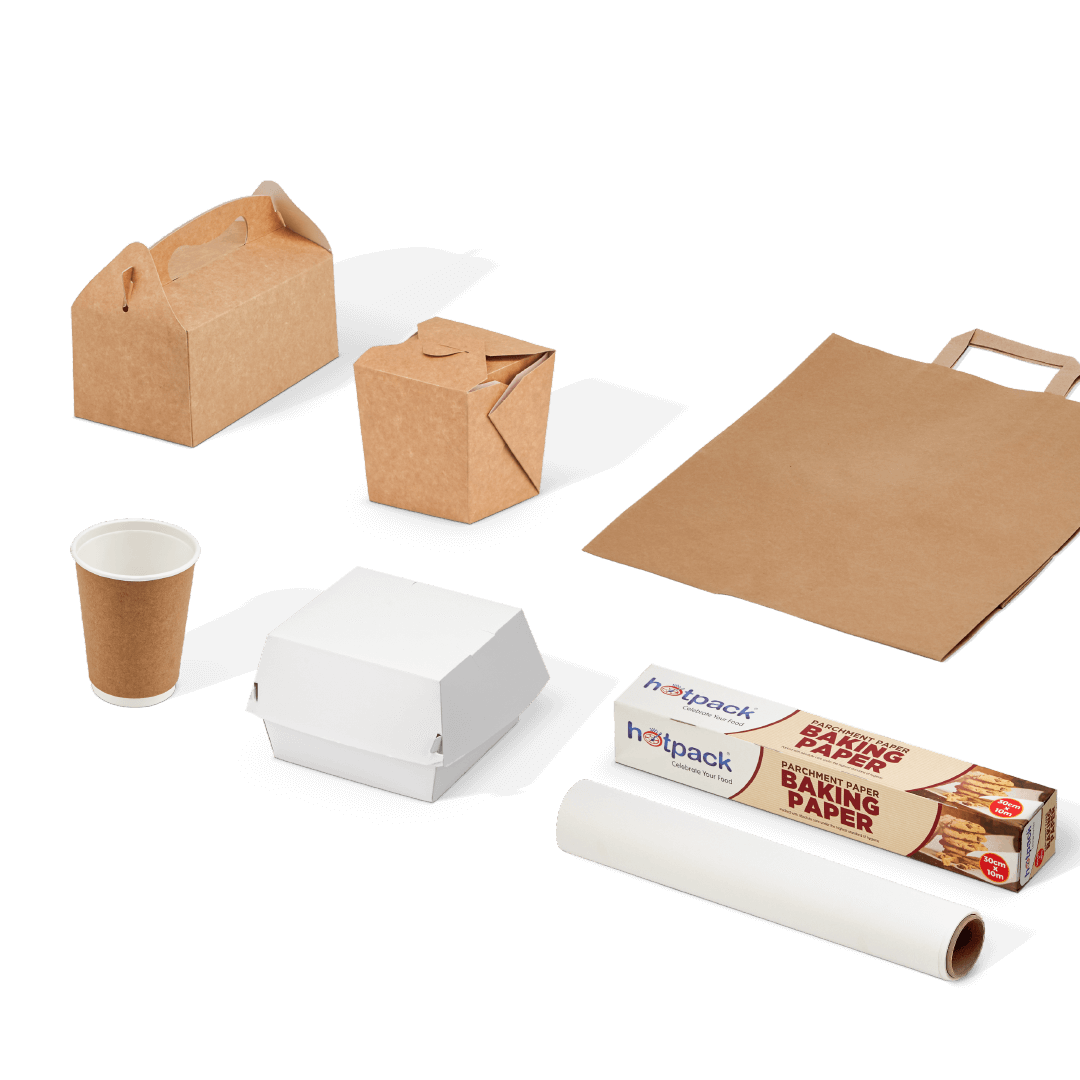
At Hotpack Global, we deliver more than just packaging. We provide thoughtful, high-performance solutions that are environmentally sound and commercially viable. Whether you’re a restaurant, catering business, or food brand, we offer a full suite of eco-friendly food packaging items designed to meet your functional needs while supporting a cleaner planet.
Our line up is growing as the market demands, with degradable trays and compostable cups to recyclable wraps and simplistic boxes. And that dedication to quality, innovation and sustainability is why we are a preferred food packaging company and supplier for businesses worldwide.
Allow us to help you move to the smarter packaging that reflects your values and differentiates your brand. Browse our selection, tailor your solutions, and design your way to a greener future.
Looking to make a change today? It’s time to buy disposable coffee cups with lids from a brand that values the environment as much as you do.