
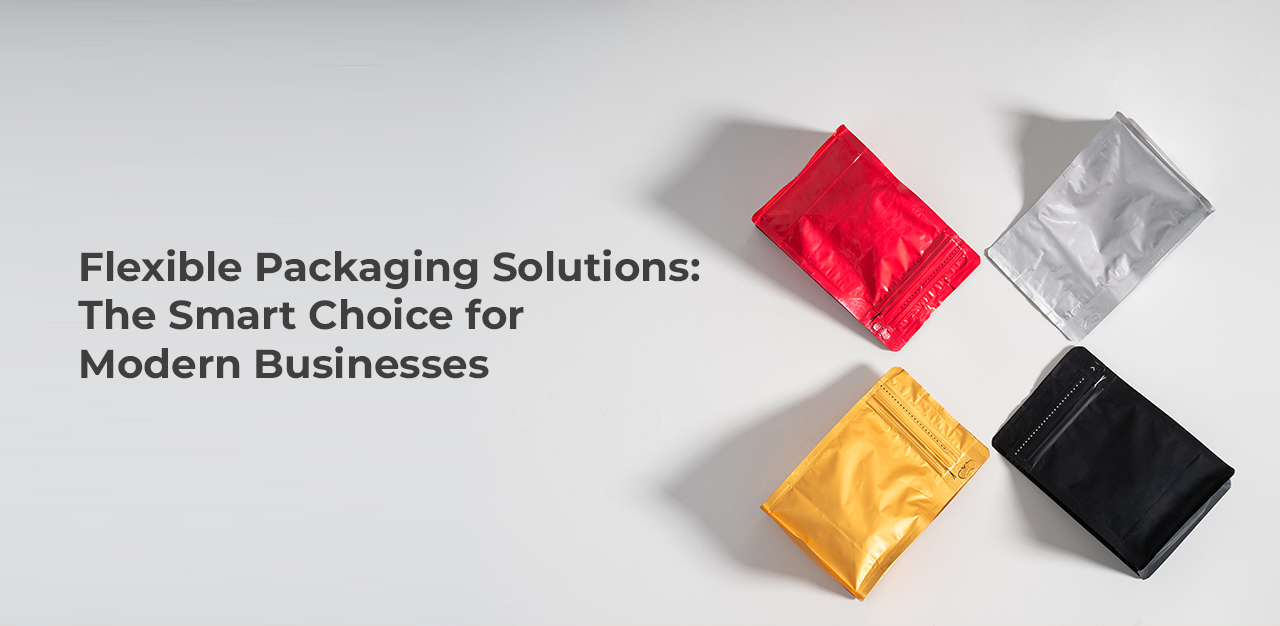
Packaging plays a vital role in every industry, from food and beverages to pharmaceuticals, cosmetics, and retail. In today’s fast-paced market, packaging is not just about protecting the product; it’s about enhancing shelf appeal, improving convenience, and supporting sustainability. One of the most dynamic innovations in this field is flexible packaging solutions. These solutions are transforming how businesses store, transport, and market their products while meeting consumer expectations for functionality and eco-friendliness.
What Is Flexible Packaging?
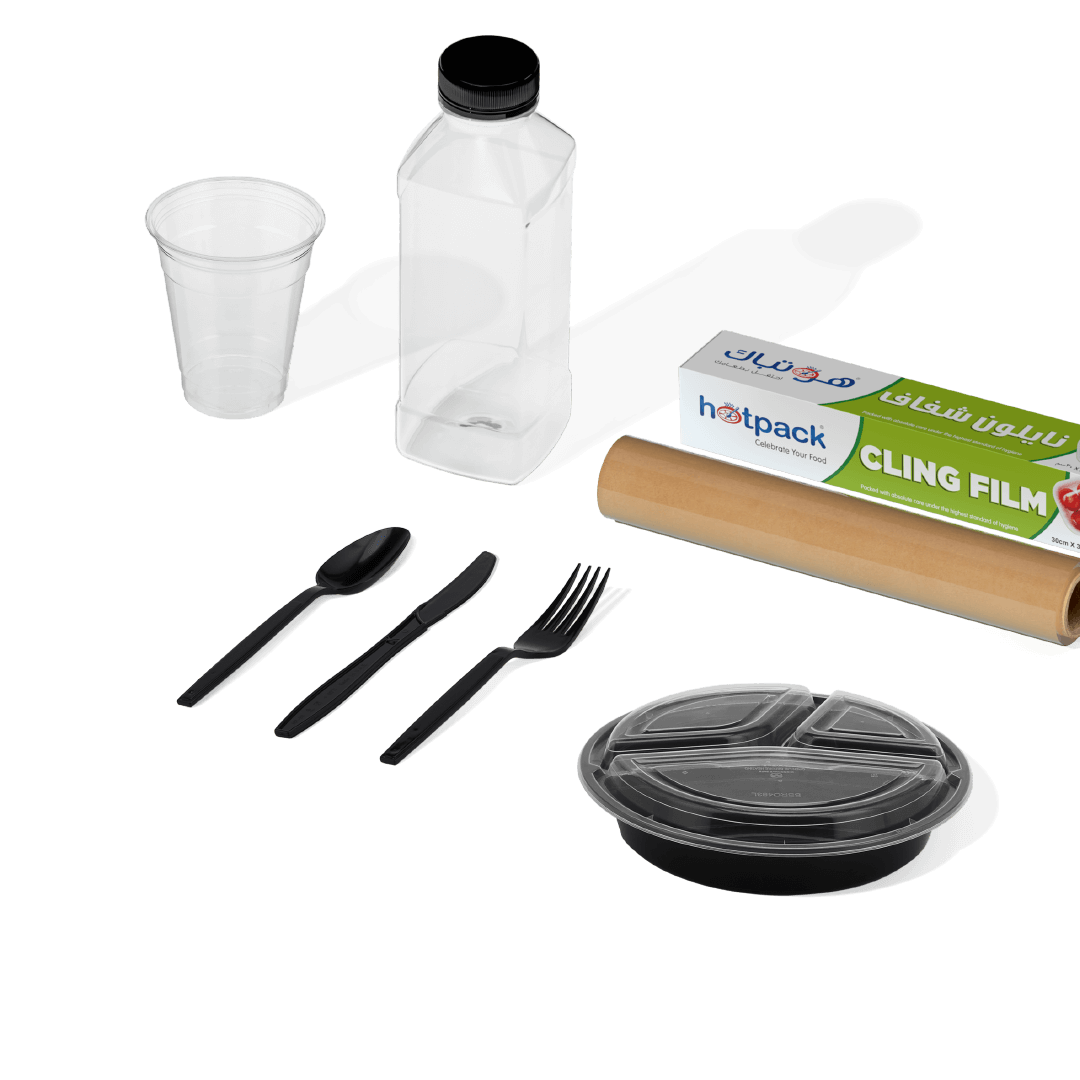
Flexible packaging refers to materials and formats that can easily bend, fold, or reshape without breaking. Unlike rigid options such as glass or hard plastic, flexible packaging adapts to the product’s form. Common examples include pouches, wraps, sachets, cling film, aluminum laminate pouches, or a combination of these.
This type of packaging is widely used because it combines protection, durability, and design flexibility. It also provides cost savings due to its lightweight nature and efficient storage. A reliable flexible packaging manufacturer can help businesses tailor solutions to specific product requirements, ensuring safety, branding appeal, and customer convenience.
Advantages of Flexible Packaging
1. Lightweight and Space-Saving
Flexible packaging weighs significantly less than rigid packaging. This makes it easier to transport and reduces shipping costs. The compact design also means more products can be stored in less space, increasing warehouse efficiency.
2. Extended Shelf Life
Barrier properties are a key strength of flexible packaging. Materials like foil laminates and multi-layer films protect against moisture, oxygen, and light. As a result, products stay fresh for longer, reducing spoilage and waste.
3. Customization and Branding
Flexible packaging is highly customizable. Businesses can print detailed graphics, logos, and product information directly on the packaging. This helps products stand out on shelves and creates a stronger connection with consumers.
4. Sustainability Benefits
Modern flexible packaging solutions often use recyclable or biodegradable materials. These eco-conscious options align with consumer demand for greener products while helping companies reduce their carbon footprint.
5. Convenience for Consumers
Easy-to-open seals, resealable zippers, and portion-sized packs make flexible packaging user-friendly. This adds value to the product and improves customer satisfaction.
Types of Flexible Packaging
Understanding the different formats helps businesses choose the right solution for their products.
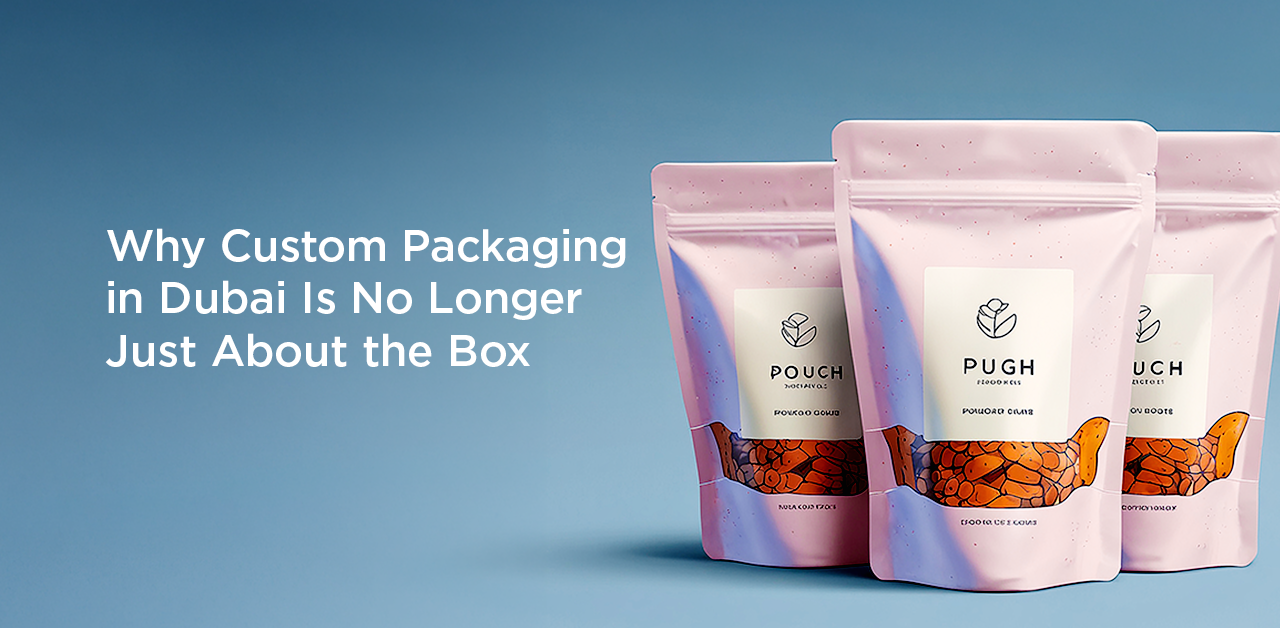
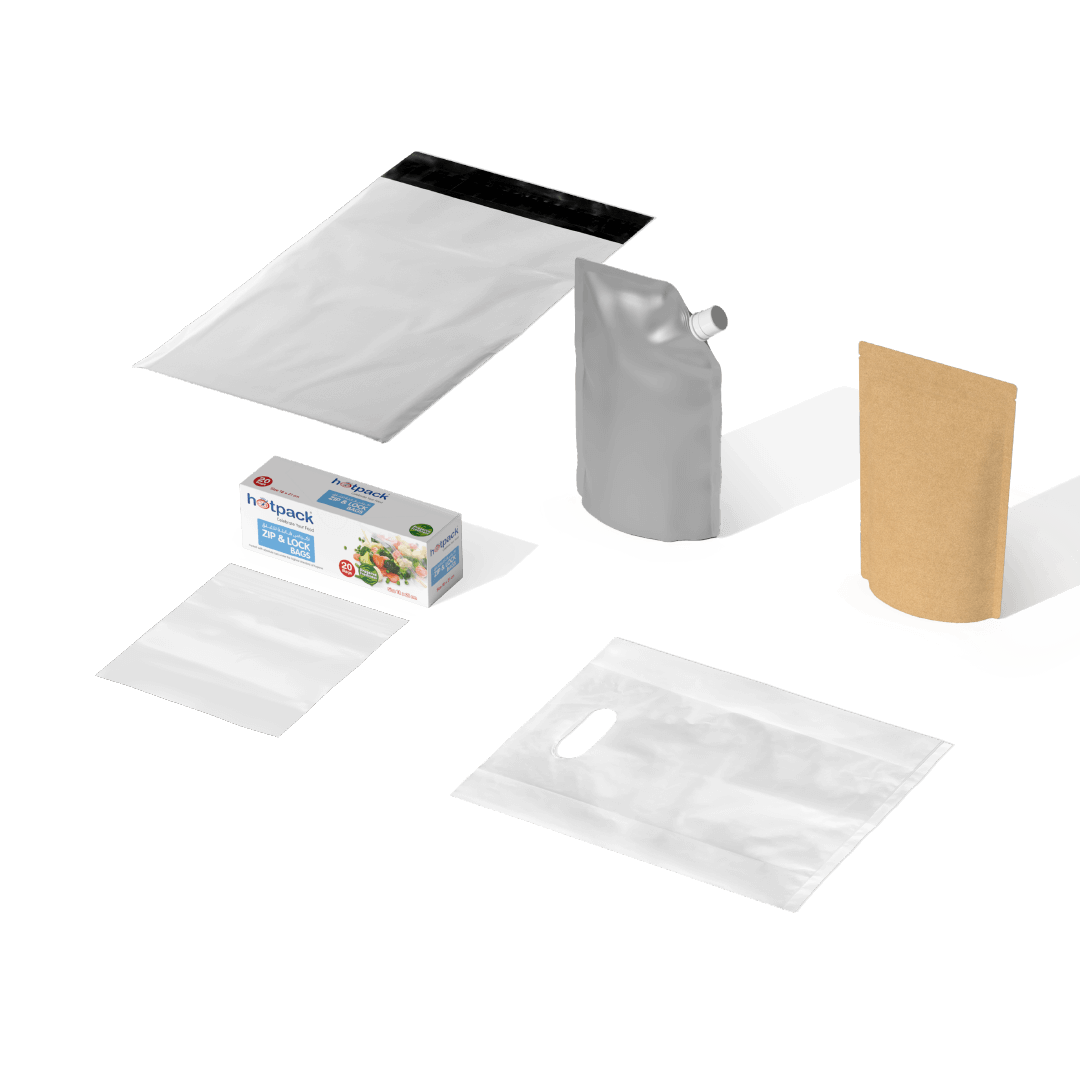
- Pouches: Available in flat, stand-up, or spouted designs, pouches are ideal for snacks, beverages, and personal care items.
- Sachets: Small, single-use packets commonly used for sauces, condiments, or samples.
- Shrink Wraps: Provide secure, tamper-evident seals for multipacks or individual items.
- Vacuum-Sealed Bags: Extend shelf life for perishable foods by removing air.
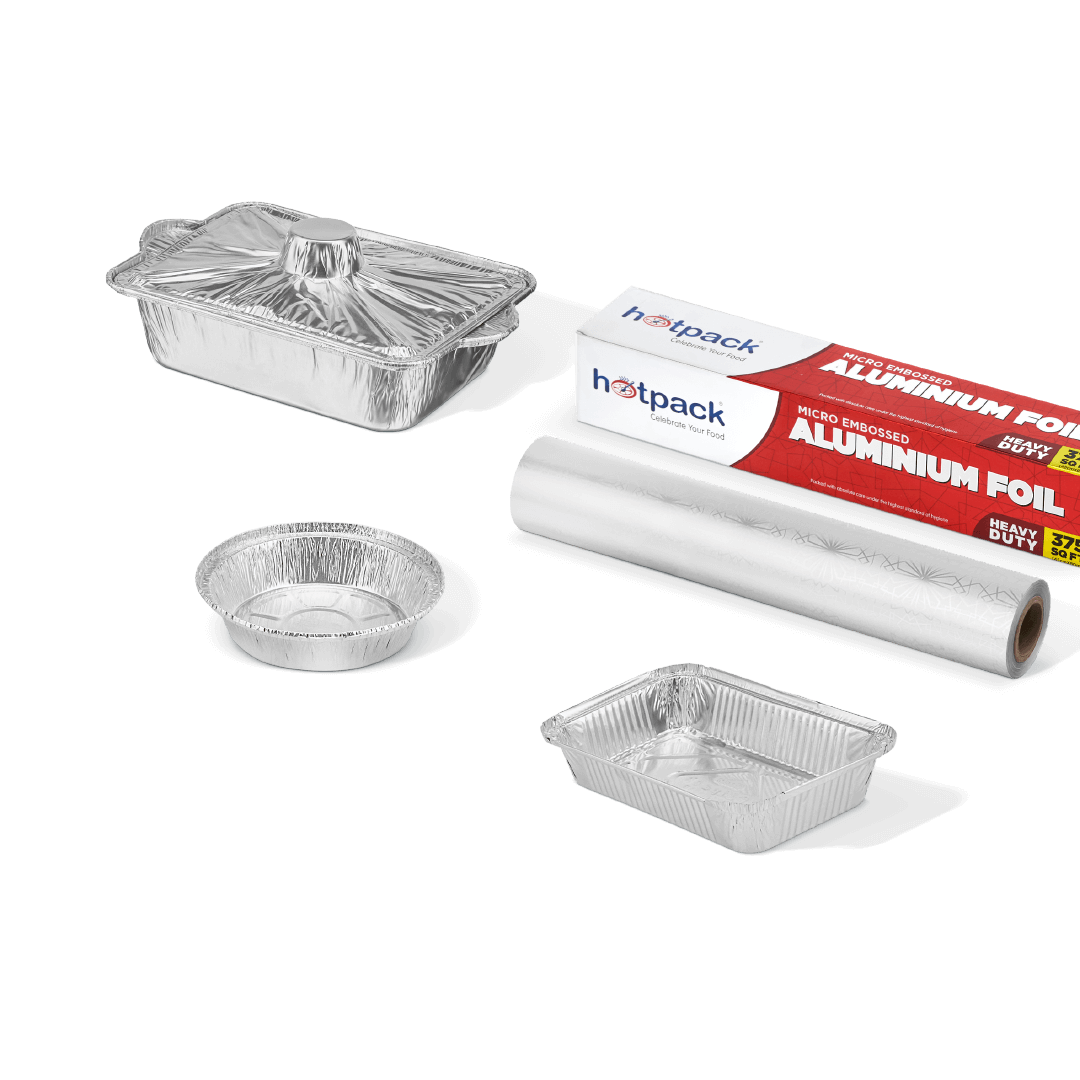
- Foil Packaging: Offers superior barrier properties, often used for pharmaceuticals and premium food items.
Partnering with an experienced flexible packaging manufacturer ensures businesses have access to the right material combinations and designs for optimal performance.
Flexible Packaging in Different Industries
-
Food and Beverage
Flexible packaging dominates this sector due to its ability to preserve freshness, prevent contamination, and improve convenience. Items such as chips, frozen foods, juices, and coffee often use resealable pouches or laminated foil packs.
-
Healthcare and Pharmaceuticals
Sterile conditions and product integrity are crucial in healthcare. Flexible packaging like blister packs, sachets, and foil pouches ensure medicines and medical devices remain safe and effective until use.
-
Cosmetics and Personal Care
Shampoos, lotions, and creams are increasingly packaged in sachets or flexible tubes. These not only reduce costs but also appeal to consumers seeking travel-friendly options.
-
Retail and Household Products
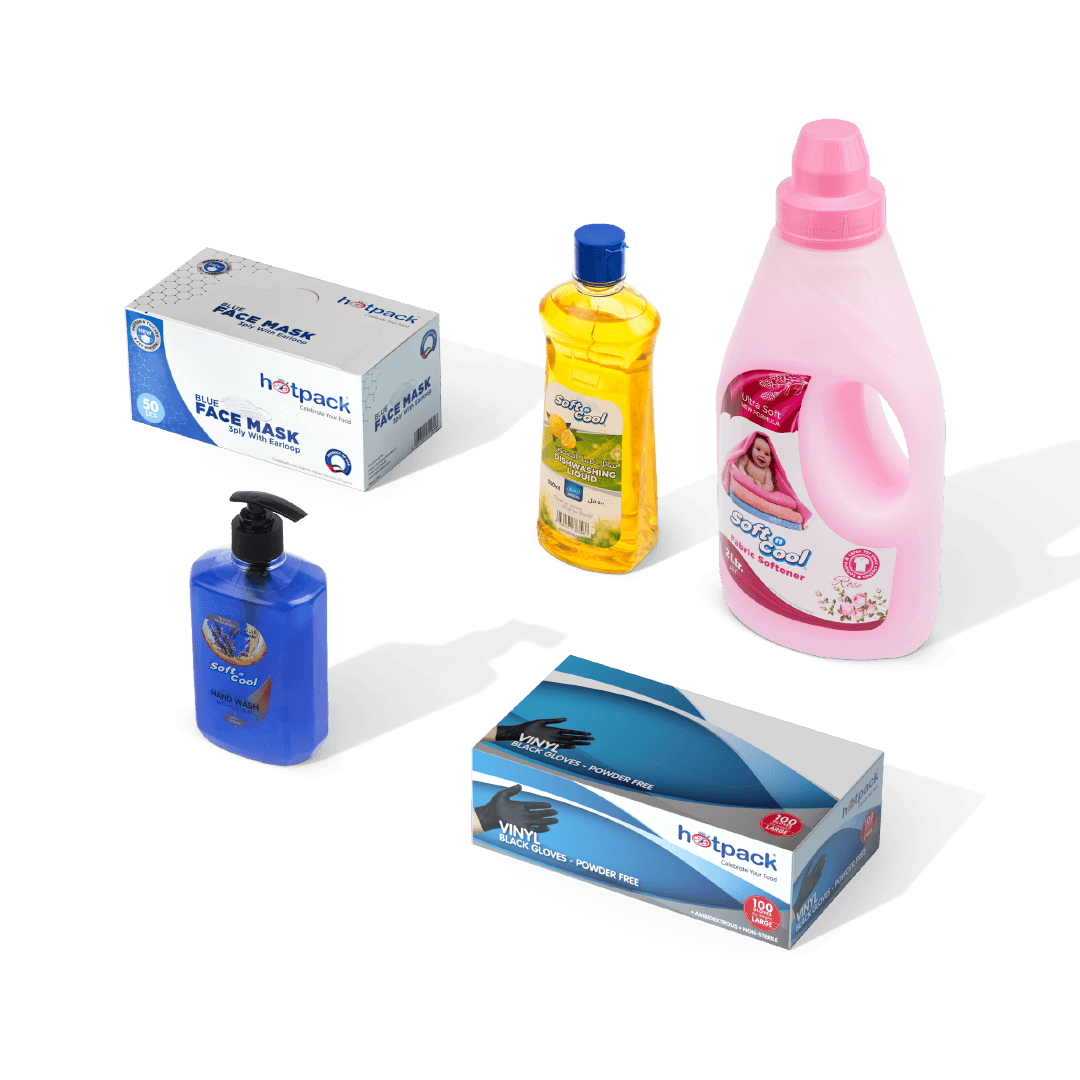
From detergents to cleaning wipes, flexible packaging provides versatile formats that are easy to handle, store, and dispose of.
How Flexible Packaging Supports Cost Efficiency
For businesses, packaging is not just a functional requirement; it directly impacts profitability. Flexible packaging saves money in several ways:
- Reduced raw material consumption compared to rigid packaging.
- Lower shipping costs due to lighter weight.
- Optimized storage space in warehouses and retail outlets.
- Extended shelf life reduces product loss and returns.
In competitive industries like food and beverages, these advantages provide a significant edge.
Why Businesses Are Switching to Flexible Packaging
Today’s market demands packaging that balances functionality, sustainability, and aesthetics. Flexible packaging checks all these boxes. It not only meets modern consumer preferences but also supports global efforts toward environmental responsibility. For businesses aiming to stay competitive, adopting flexible packaging is no longer optional, it’s essential.
Hotpack Global: Your Partner in Packaging Innovation
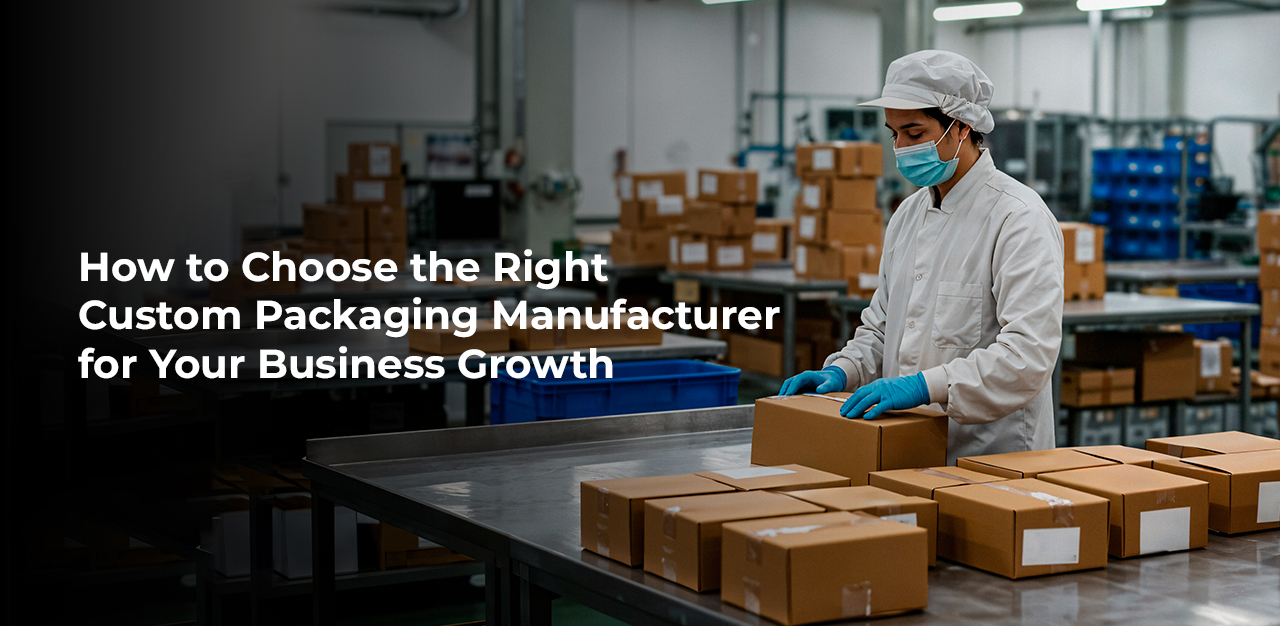
Hotpack Global is a trusted name in the industry, known for delivering high-quality flexible packaging solutions that combine innovation, sustainability, and cost-effectiveness. As a leading flexible packaging manufacturer, Hotpack offers a wide range of packaging products tailored to diverse industries, from food and beverages to healthcare and retail. With advanced manufacturing facilities, strict quality standards, and a commitment to eco-friendly practices, Hotpack ensures packaging that enhances shelf appeal while maintaining product integrity.
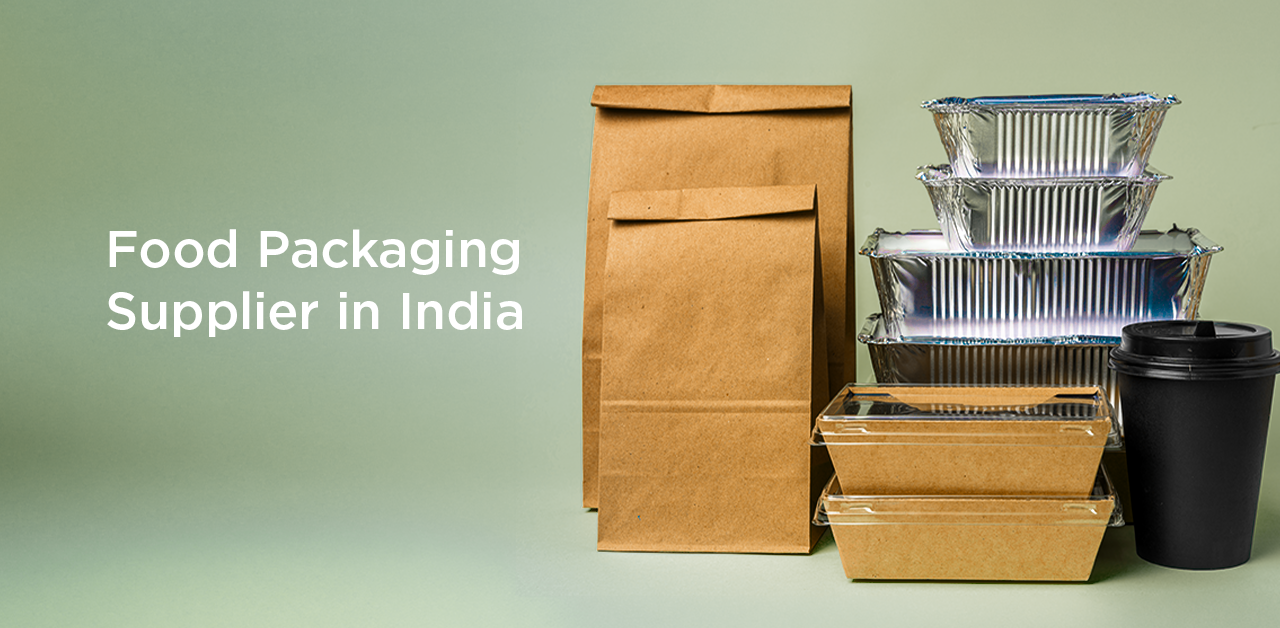
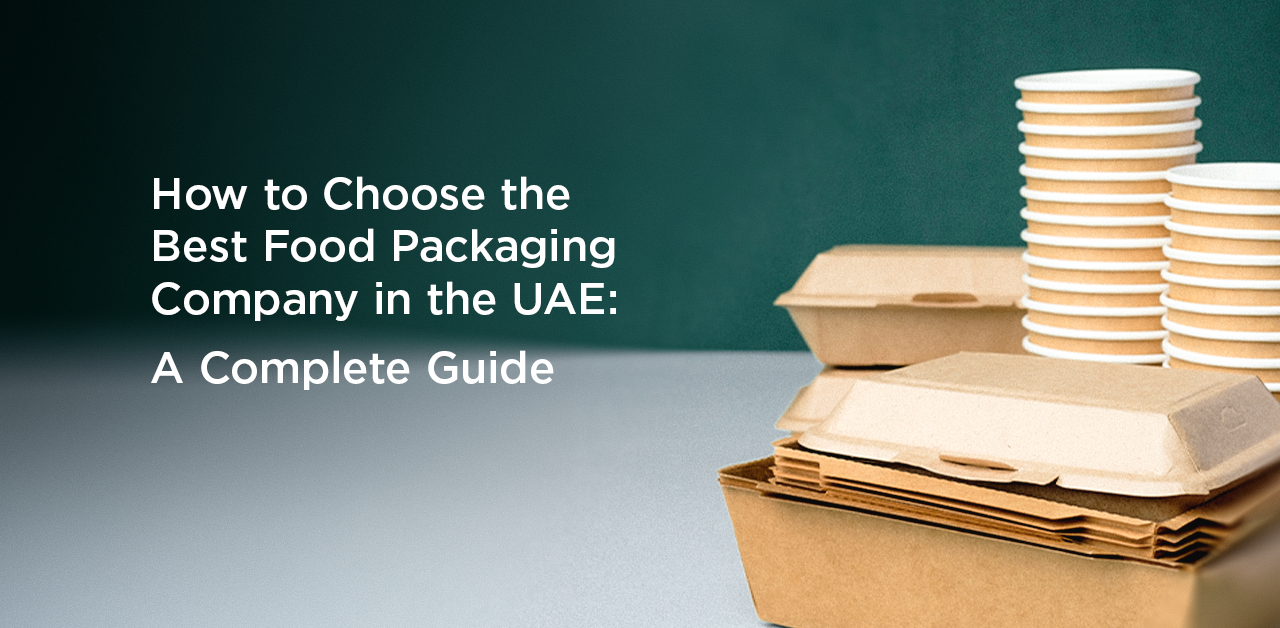
Businesses around the world rely on Hotpack not just for packaging but for complete solutions. Whether you need custom-printed pouches, durable wraps, or efficient food packaging container options, Hotpack is the reliable partner to help you achieve growth while supporting sustainability goals.
A Smarter Future with Flexible Packaging
Flexible packaging is more than a trend; it’s a transformative solution for businesses across industries. By choosing innovative designs, eco-friendly materials, and efficient systems, companies can cut costs, reduce waste, and build stronger brand identities. Whether for food, healthcare, or retail, flexible packaging provides the versatility needed in today’s fast-paced world. Partnering with the right experts ensures products remain protected, appealing, and future-ready.