25+
وحدات التصنيع
عملاء
منتجات
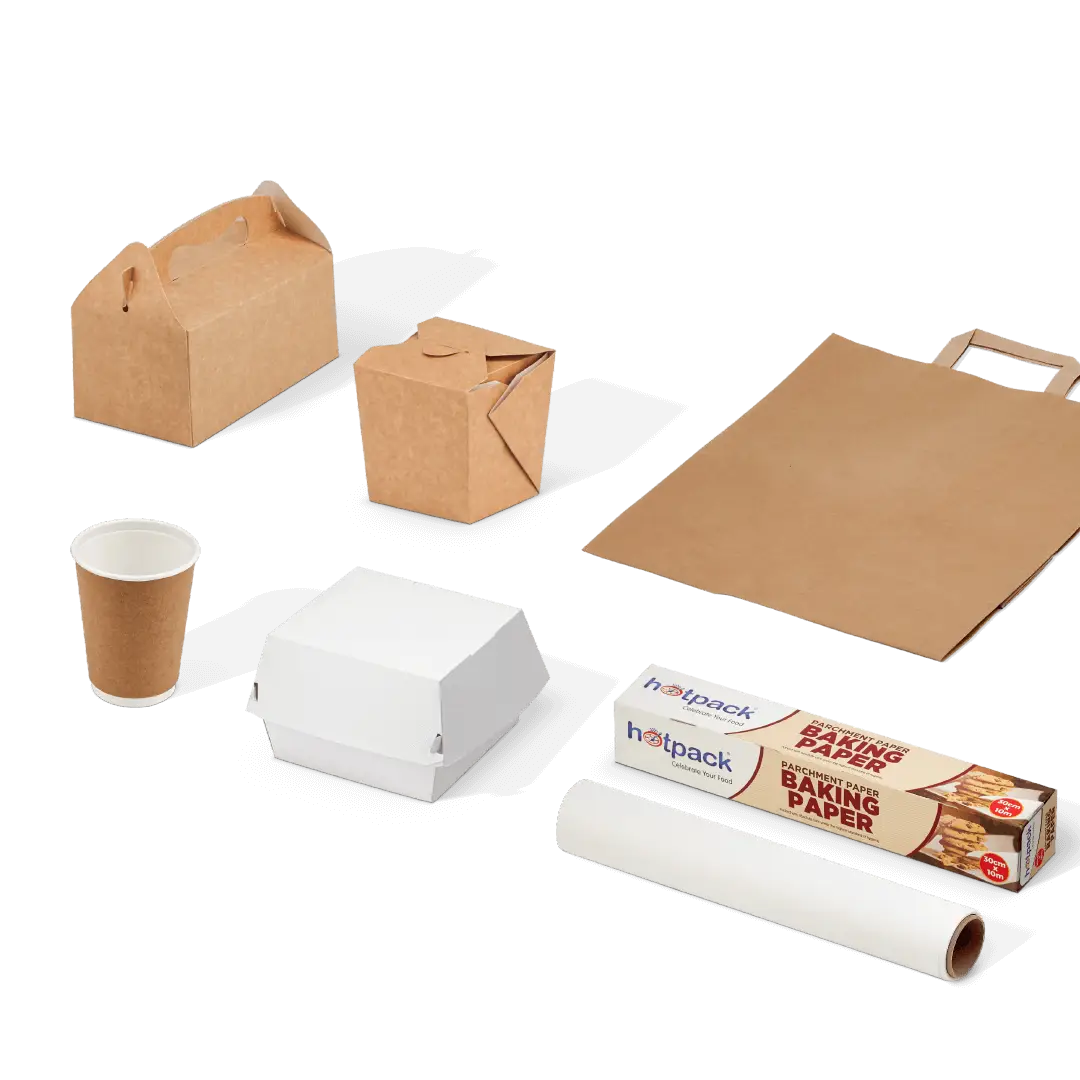
منذ تأسيسها عام ١٩٩٥، تتبوأ هوتباك مكانة رائدة في توفير حلول تغليف المواد الغذائية. وقد كنا سبّاقين في تصنيع وتوزيع منتجات التغليف لمجموعة واسعة من الصناعات، تشمل السلع الاستهلاكية المعبأة، وتجارة التجزئة، والضيافة، والرعاية الصحية، والأدوية، والبناء. وفي غضون ٢٩ عامًا فقط، أصبحنا أكبر مصنّع في المنطقة لمنتجات متنوعة تشمل الورق والألومنيوم والبلاستيك.
منذ تأسيسها عام ١٩٩٥، تتبوأ هوتباك مكانة رائدة في توفير حلول تغليف المواد الغذائية. وقد كنا سبّاقين في تصنيع وتوزيع منتجات التغليف لمجموعة واسعة من الصناعات، تشمل السلع الاستهلاكية المعبأة، وتجارة التجزئة، والضيافة، والرعاية الصحية، والأدوية، والبناء. وفي غضون ٢٩ عامًا فقط، أصبحنا أكبر مصنّع في المنطقة لمنتجات متنوعة تشمل الورق والألومنيوم والبلاستيك.
جميع العلامات التجارية وعلامات الخدمة وأسماء الشركات هي ملك لأصحابها المعنيين.
من منطقة التصنيع
موقع الطبلية
وحدات التصنيع
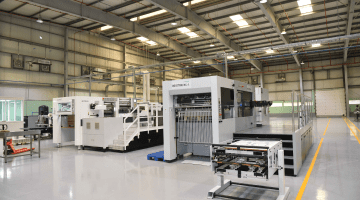
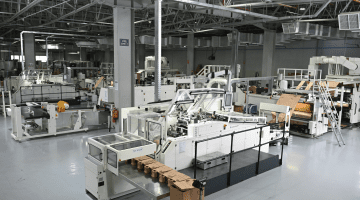
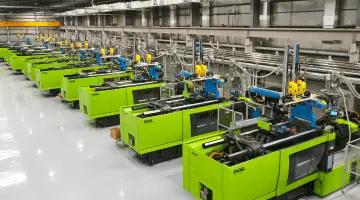
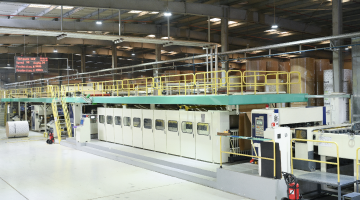
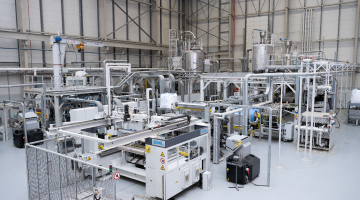
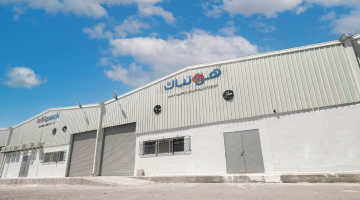
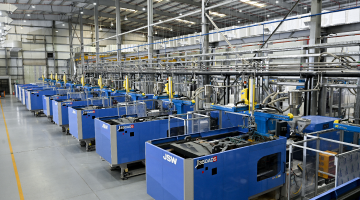
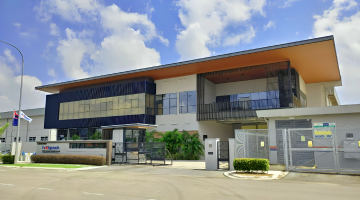
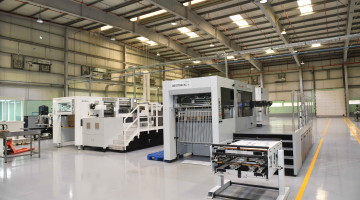
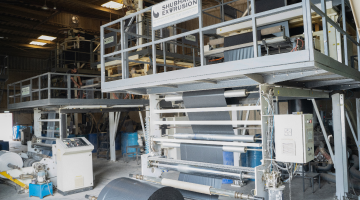
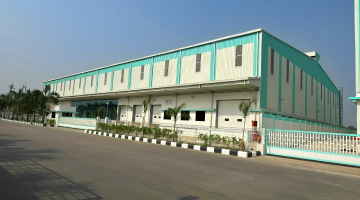
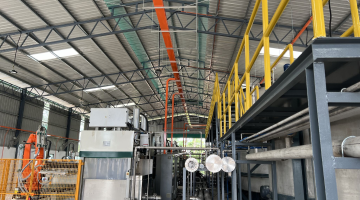
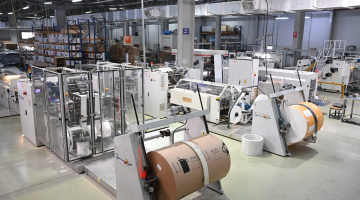
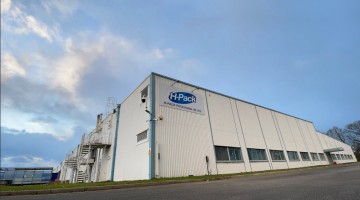
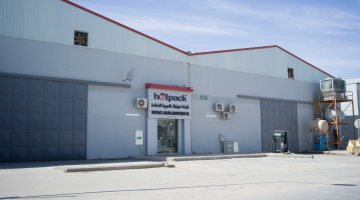
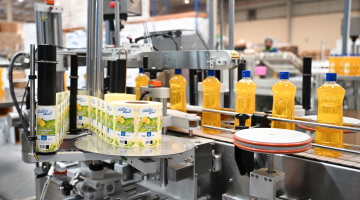
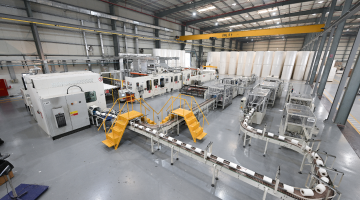
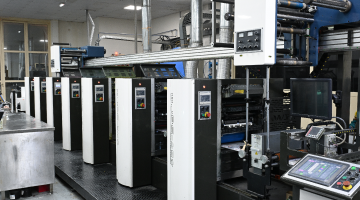
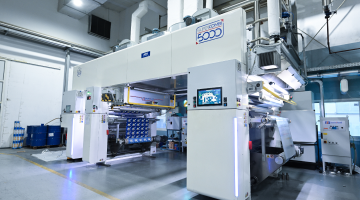
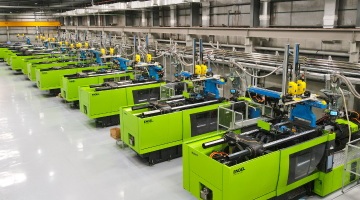
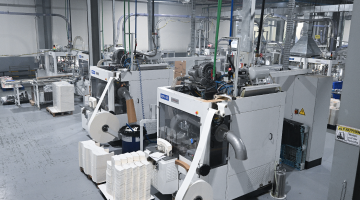
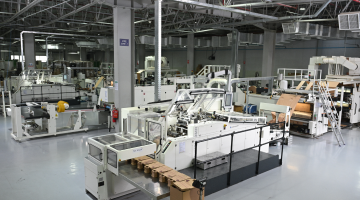
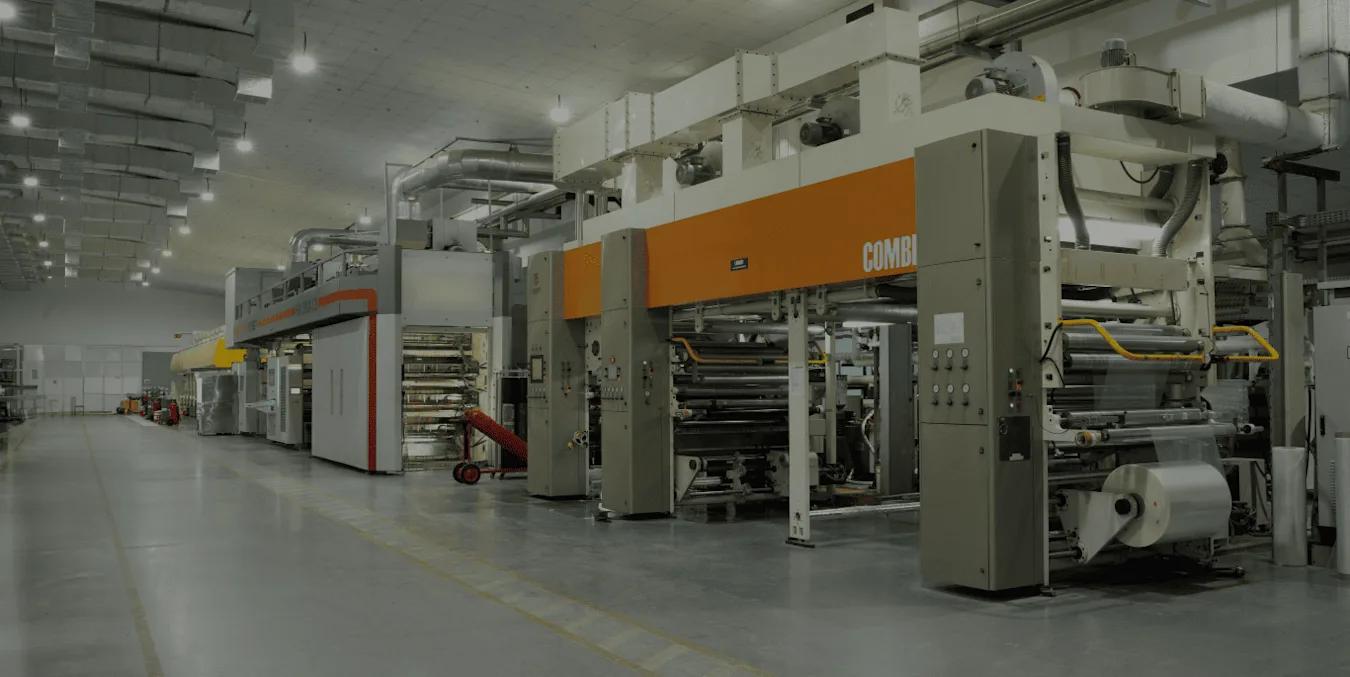
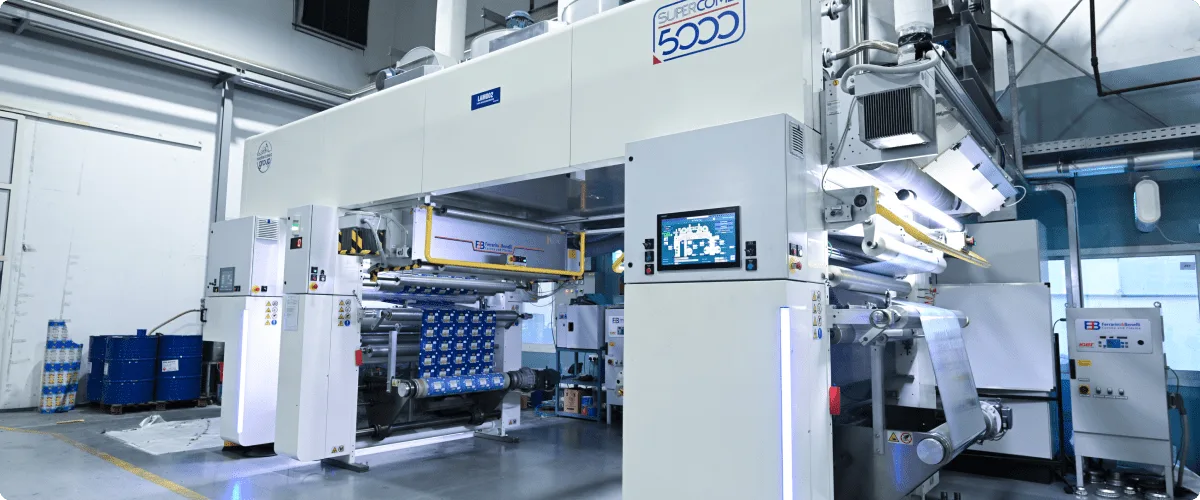
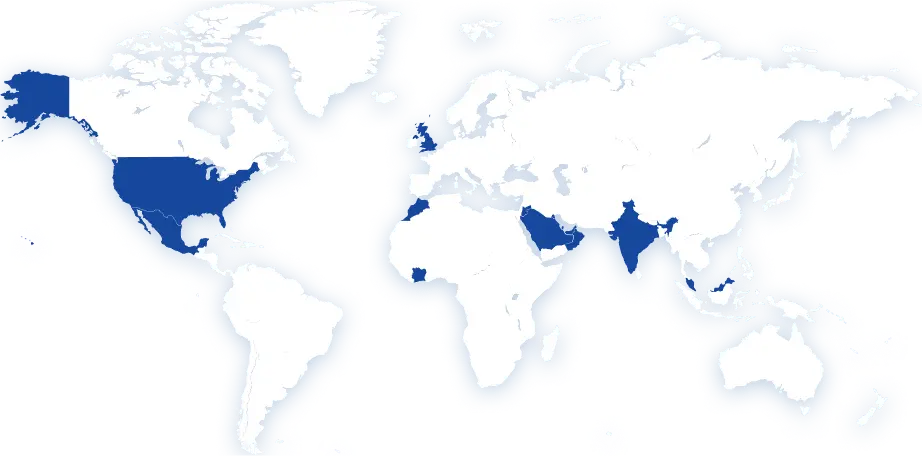
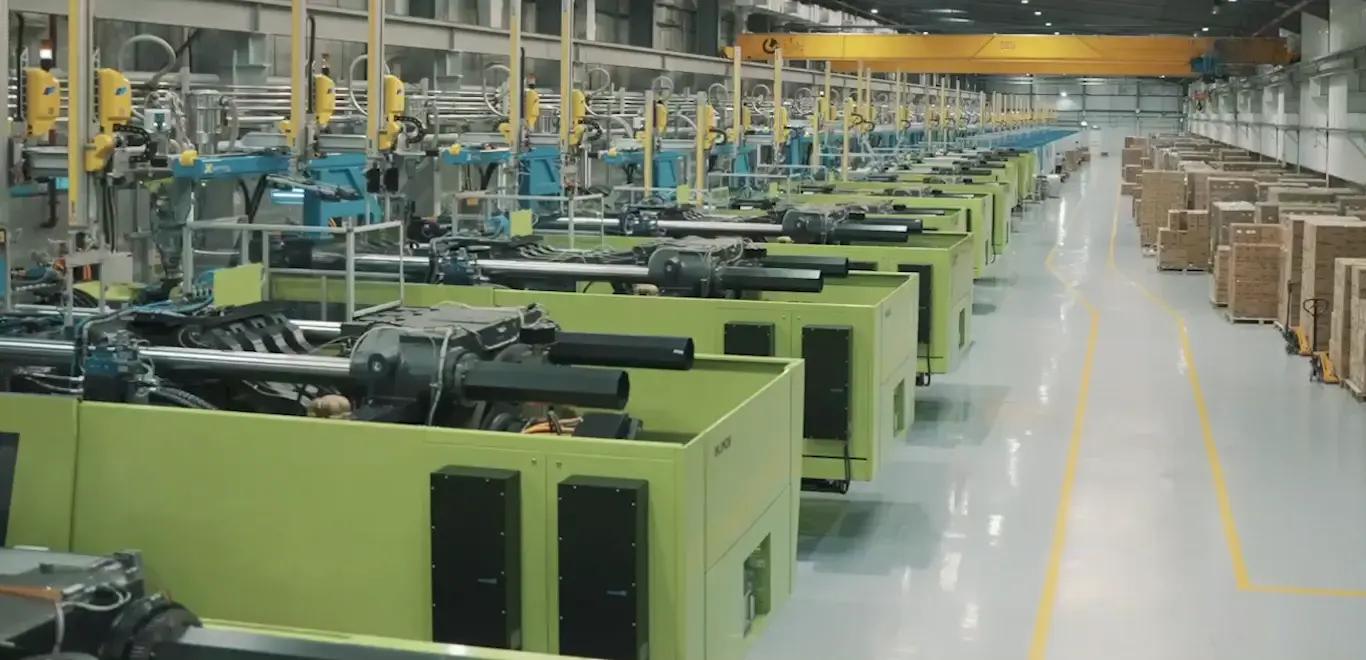
تمتد مرافقنا التصنيعية المتطورة -الموزعة في أنحاء المنطقة والمجهزة بأحدث التقنيات العالمية- على مساحة تزيد عن مليوني قدم مربع.
المعيار العالمي لمعايير الجودة والسلامة الخاصة بالتغليف.
معايير العمل، والصحة والسلامة، والبيئة، وأخلاقيات العمل.
معايير عالمية لضمان الجودة.
معتمد من الحكومة الاتحادية لدولة الإمارات العربية المتحدة من خلال وزارة الصناعة والتكنولوجيا المتقدمة
تحسين الأداء والاستدامة
صُنع بفخر في دولة الإمارات العربية المتحدة، دعماً للتصنيع المحلي والتميز الوطني.
حاصل على شهادة PEFC® لتعزيز الإدارة المستدامة للغابات من خلال ممارسات مسؤولة في التوريد والإنتاج.
حاصل على شهادة FSC® التي تؤكد الحصول على المواد من غابات تُدار بمسؤولية، مما يدعم الاستدامة البيئية والاجتماعية.
مُنحت تقديراً للتميز في الممارسات التجارية الأخلاقية والبيئية والمسؤولة.
تم التصنيع وفق نظام قوي لإدارة الجودة، ويُطابق المعايير الإماراتية ذات الصلة.
يضمن أفضل مستويات إدارة الجودة والتركيز على العملاء.
يركز على أفضل الممارسات البيئية المستدامة.
أفضل المعايير للصحة والسلامة في مكان العمل.
المواصفات السعودية للجودة والمقاييس.
معايير نظام إدارة سلامة الأغذية.
السلامة الغذائية الوقائية والحد من المخاطر.
منتجات مُصنَّعة بما يتوافق تماماً مع أحكام الشريعة الإسلامية.
المعيار العالمي لمعايير الجودة والسلامة الخاصة بالتغليف.
معايير العمل، والصحة والسلامة، والبيئة، وأخلاقيات العمل.
معايير عالمية لضمان الجودة.
معتمد من الحكومة الاتحادية لدولة الإمارات العربية المتحدة من خلال وزارة الصناعة والتكنولوجيا المتقدمة
تحسين الأداء والاستدامة
صُنع بفخر في دولة الإمارات العربية المتحدة، دعماً للتصنيع المحلي والتميز الوطني.
حاصل على شهادة PEFC® لتعزيز الإدارة المستدامة للغابات من خلال ممارسات مسؤولة في التوريد والإنتاج.
حاصل على شهادة FSC® التي تؤكد الحصول على المواد من غابات تُدار بمسؤولية، مما يدعم الاستدامة البيئية والاجتماعية.
مُنحت تقديراً للتميز في الممارسات التجارية الأخلاقية والبيئية والمسؤولة.
تم التصنيع وفق نظام قوي لإدارة الجودة، ويُطابق المعايير الإماراتية ذات الصلة.
يضمن أفضل مستويات إدارة الجودة والتركيز على العملاء.
يركز على أفضل الممارسات البيئية المستدامة.
أفضل المعايير للصحة والسلامة في مكان العمل.
المواصفات السعودية للجودة والمقاييس.
معايير نظام إدارة سلامة الأغذية.
السلامة الغذائية الوقائية والحد من المخاطر.
منتجات مُصنَّعة بما يتوافق تماماً مع أحكام الشريعة الإسلامية.
من تشكيلة منتجاتنا صديق للبيئة، أو قابل لإعادة التدوير، أو قابل لإعادة الاستخدام.
تقليل المواد، وخفض انبعاثات الكربون، وتعزيز كفاءة التغليف.
مبادرة تهدف إلى تعزيز سعادة الموظفين من خلال تشجيع التوازن بين العمل والحياة الشخصية والارتقاء بالمجتمع.
الالتزام بالشفافية والمساءلة والممارسات الأخلاقية وإشراك أصحاب المصلحة والتحسين المستمر.
تبدأ سلسلة التوريد لدينا بموردين يلتزمون بالأخلاقيات ومعايير الحفاظ على البيئة، ويشاركوننا قيمنا.
Hotpack offers a wide range of packaging solutions for various industries.
بدءاً من التصميم ووصولاً إلى التسليم، يضمن فريقنا الخبير أن تعكس عبواتك هويتك الفريدة. تميّز بعبوات تحمي منتجاتك وتترك انطباعاً لا يُنسى.
رقم القطعة: 598-1624، مجمع دبي للاستثمار 1، جبل علي، دبي
حي الخالدية، طريق عامر بن محمد بن عبد الرحمن، الرياض، المملكة العربية السعودية
هوت باك جلوبال إنك، 5100 شارع إي لا بالما، جناح 118، أنهايم، كاليفورنيا 92807، الولايات المتحدة الأمريكية
مجمع هوت باك، ديفي واي، منطقة لاي الصناعية، ريكسهام، LL12 0PG، المملكة المتحدة
المنطقة الصناعية 44، قطر
سترة، المنامة
مكتب 101 عمان – الأردن – ضاحية الرشيد , مدينة مادبا الصناعية
القطعة رقم 53A، شارع الصناعة 1، كيداه، ماليزيا.
طريق سيلفاسا، تشاراستا، فابي، فالساد، غوجارات
الرميس، سلطنة عمان
34، تجزئة القصر - المنطقة الصناعية بالصخيرات.
رقم القطعة: 598-1624، مجمع دبي للاستثمار 1، جبل علي، دبي
حي الخالدية، طريق عامر بن محمد بن عبد الرحمن، الرياض، المملكة العربية السعودية
سواء كان لديك سؤال عن منتجاتنا، أو أسعارنا، أو الطلبات الدولية، نحن هنا لمساعدتك في جميع الاستفسارات الخاصة بأعمالك.
شكرًا لتواصلك معنا. سنقوم بالرد عليك قريبًا.