
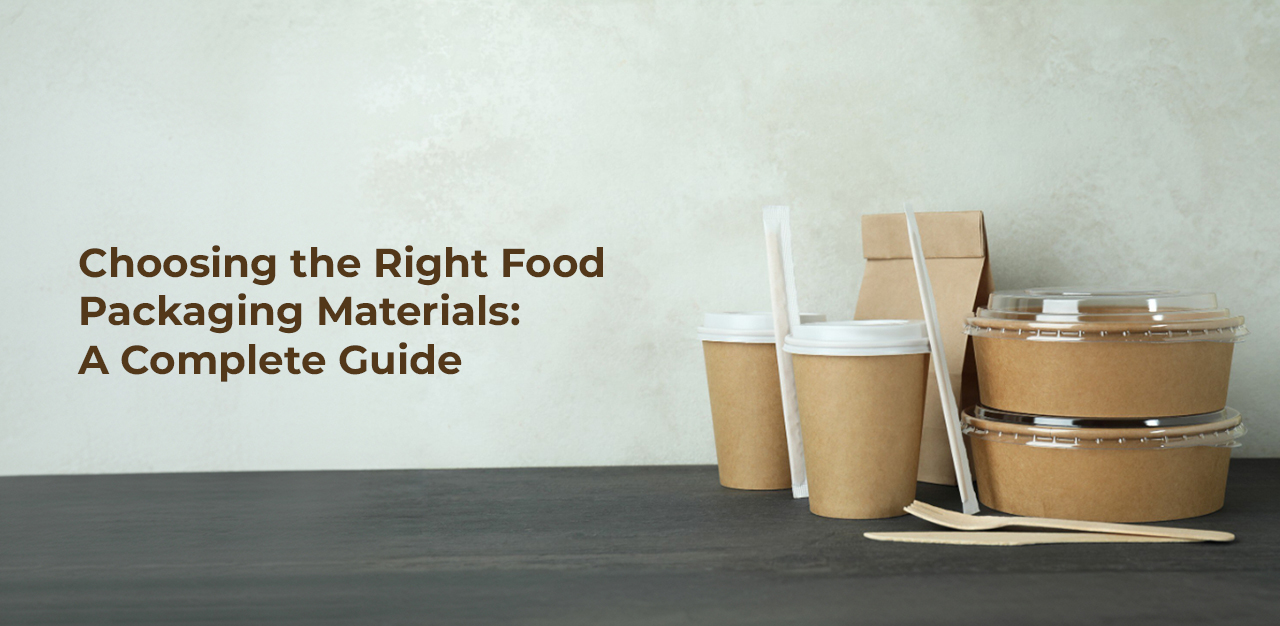
Food packaging is no longer just about holding and transporting food. Today, it plays a vital role in ensuring safety, extending shelf life, enhancing brand appeal, and promoting sustainability. Whether you are a restaurant owner, food manufacturer, or retailer, selecting the right food packaging materials can directly impact customer experience and business efficiency.
With growing consumer awareness about hygiene and environmental responsibility, businesses must balance practicality, cost, and sustainability when choosing packaging. This guide explores the key aspects of food packaging, materials available, industry trends, and how businesses can make informed choices.
The Importance of Food Packaging
Packaging is often the first point of interaction between your product and the customer. Good packaging not only protects the food but also communicates brand values. The right materials provide:
- Safety and Hygiene – Ensures the food remains uncontaminated and fresh.
- Durability – Packaging should withstand handling, transport, and storage.
- Sustainability – Eco-friendly packaging is now a priority for many businesses.
- Cost Efficiency – Striking the balance between affordability and quality.
- Brand Visibility – Design and material choices that elevate the product’s look and feel.
Types of Food Packaging Materials
Different food products require different packaging solutions. Here are some of the most common food packaging materials used across industries:
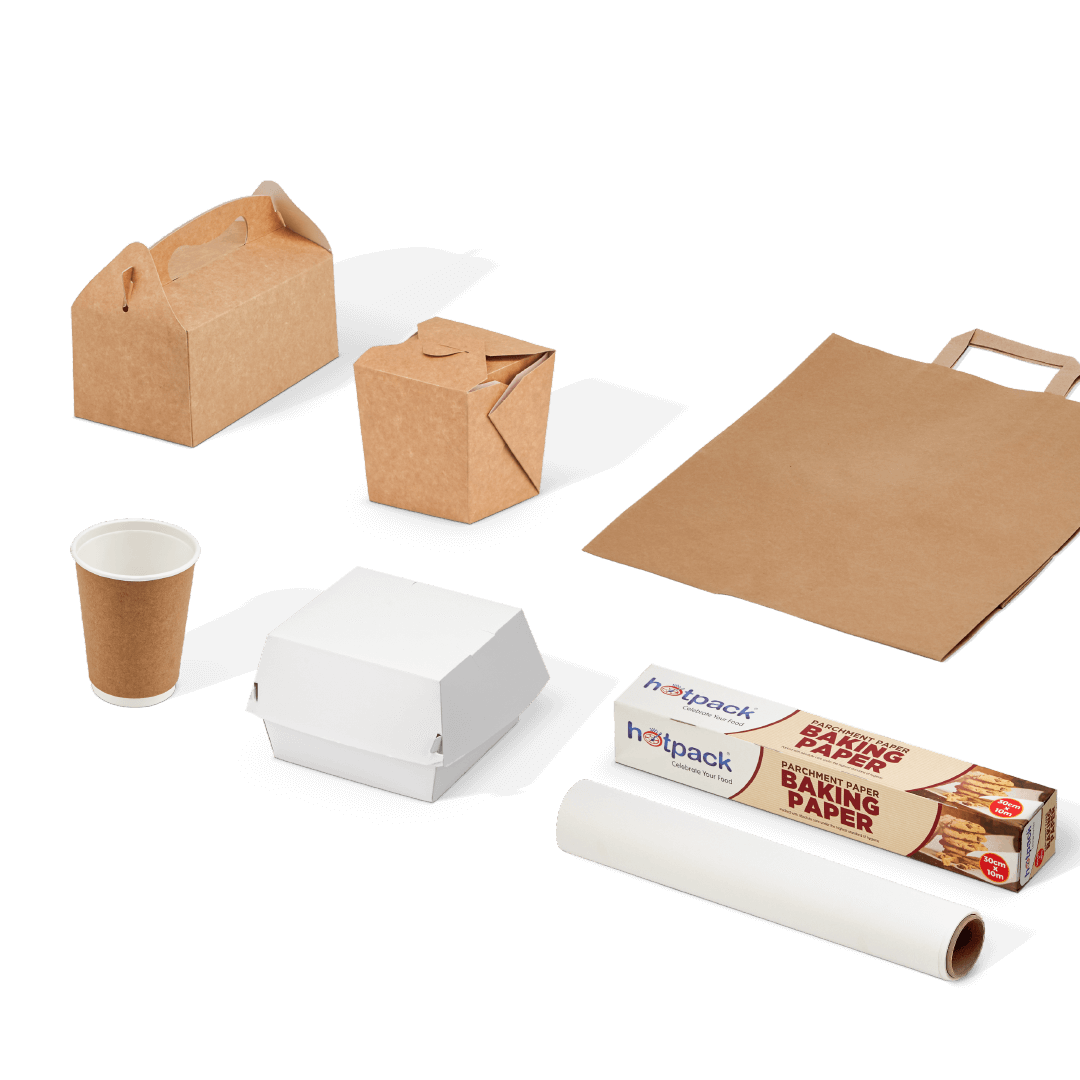
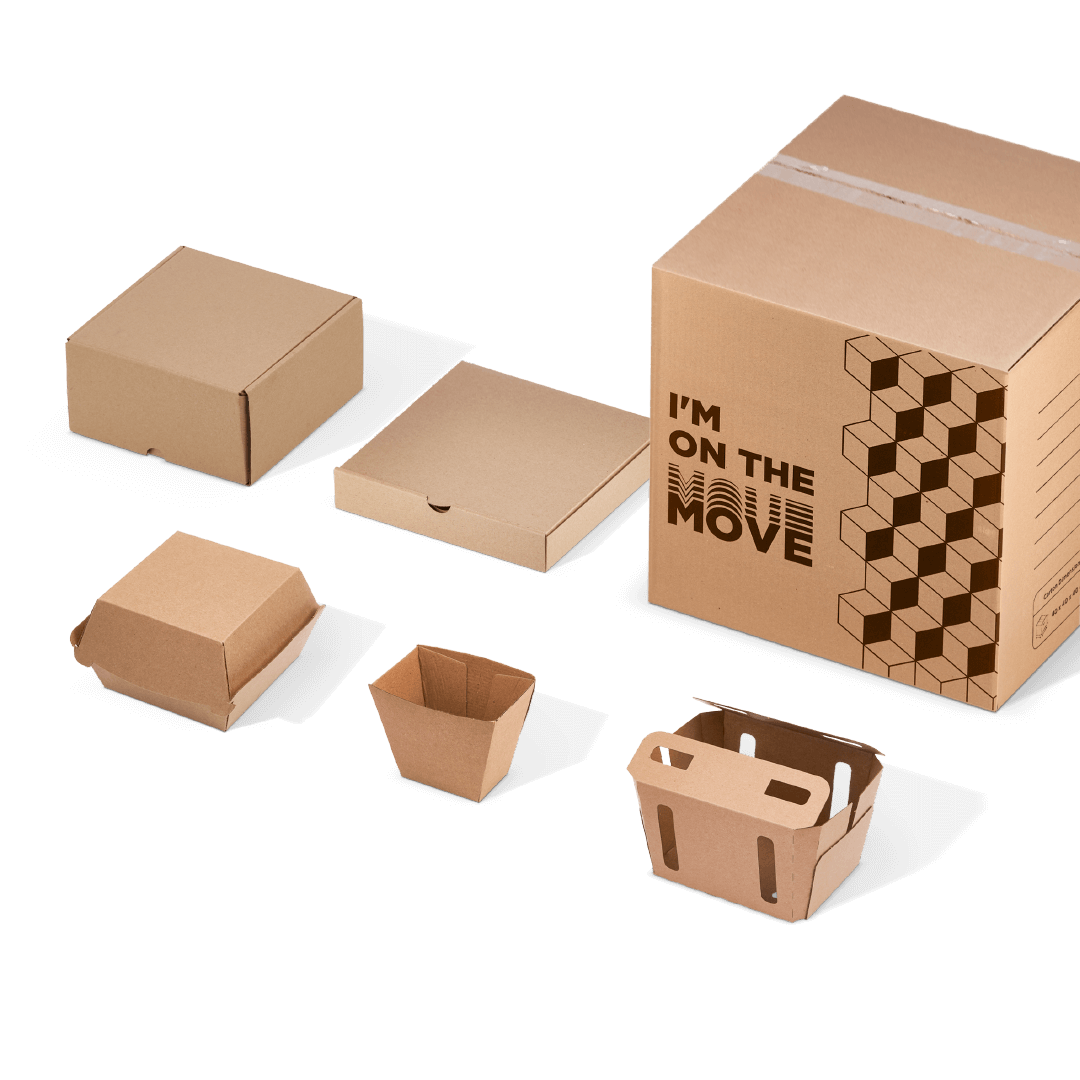
1. Paper and Cardboard
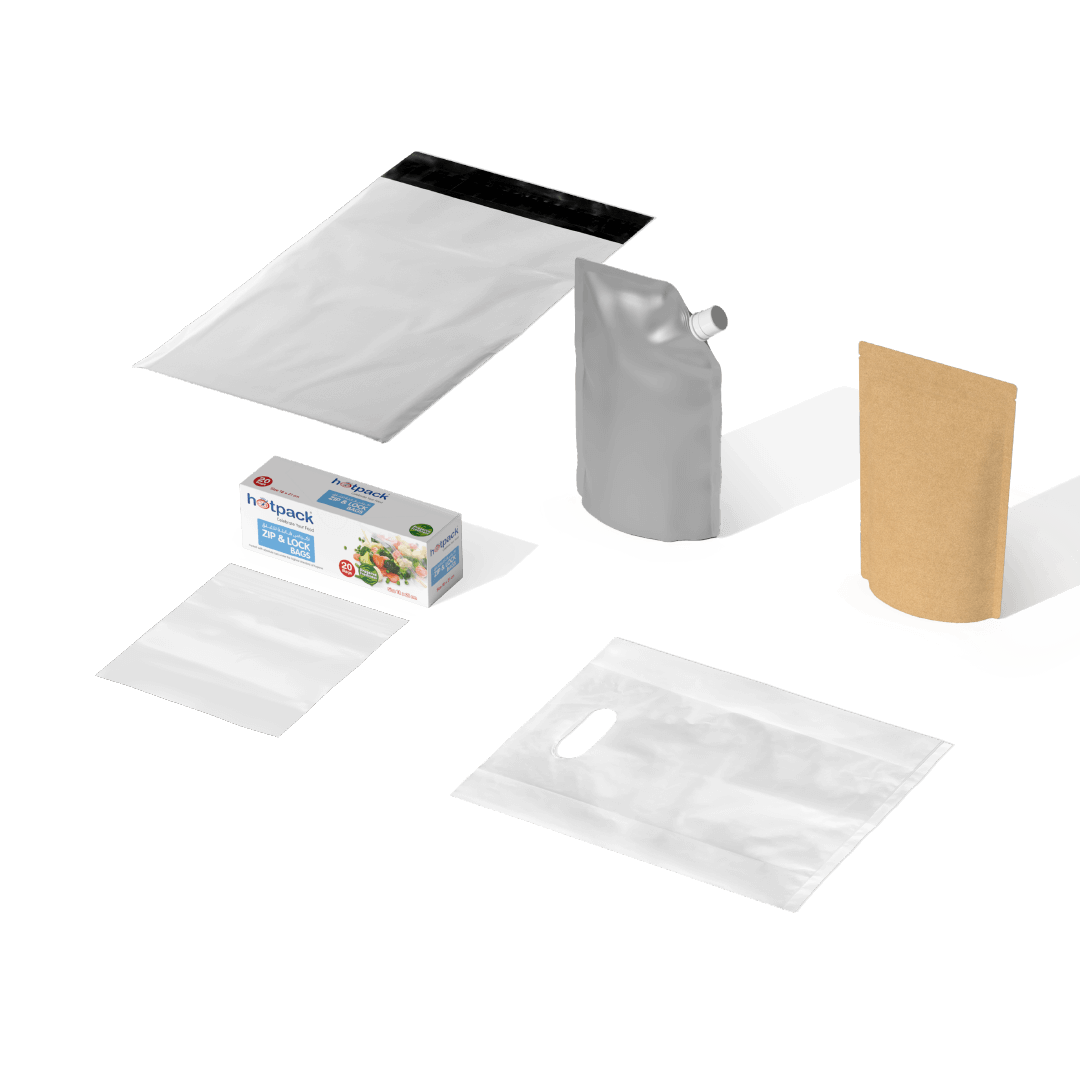
- Widely used for bags, boxes, and cups.
- Lightweight, cost-effective, and recyclable.
- Often preferred for bakery items, fast food, and dry goods.
2. Single-use Plastic Packaging
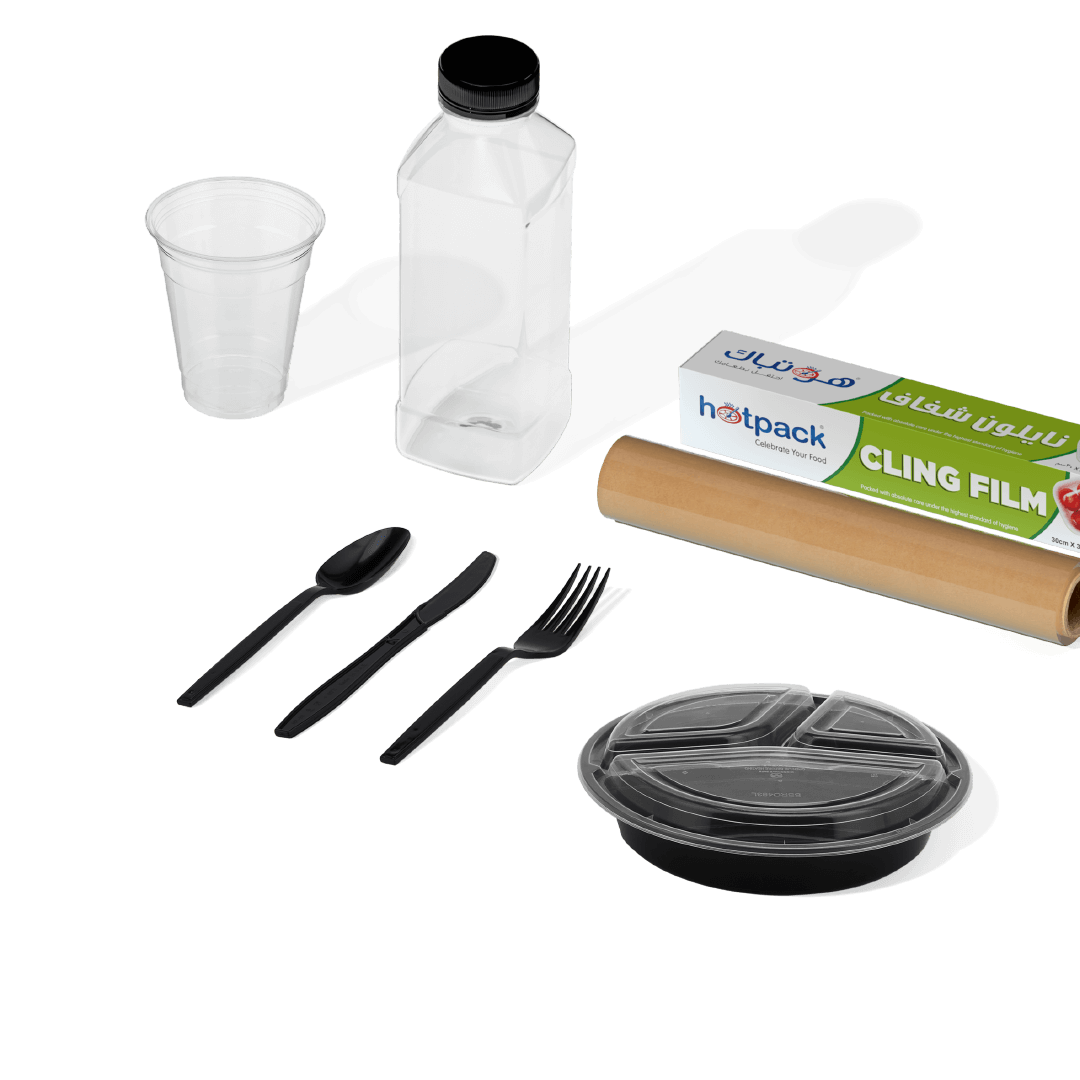
- Offers excellent durability, barrier protection, and transparency.
- Used for takeaway containers, wraps, and bottles.
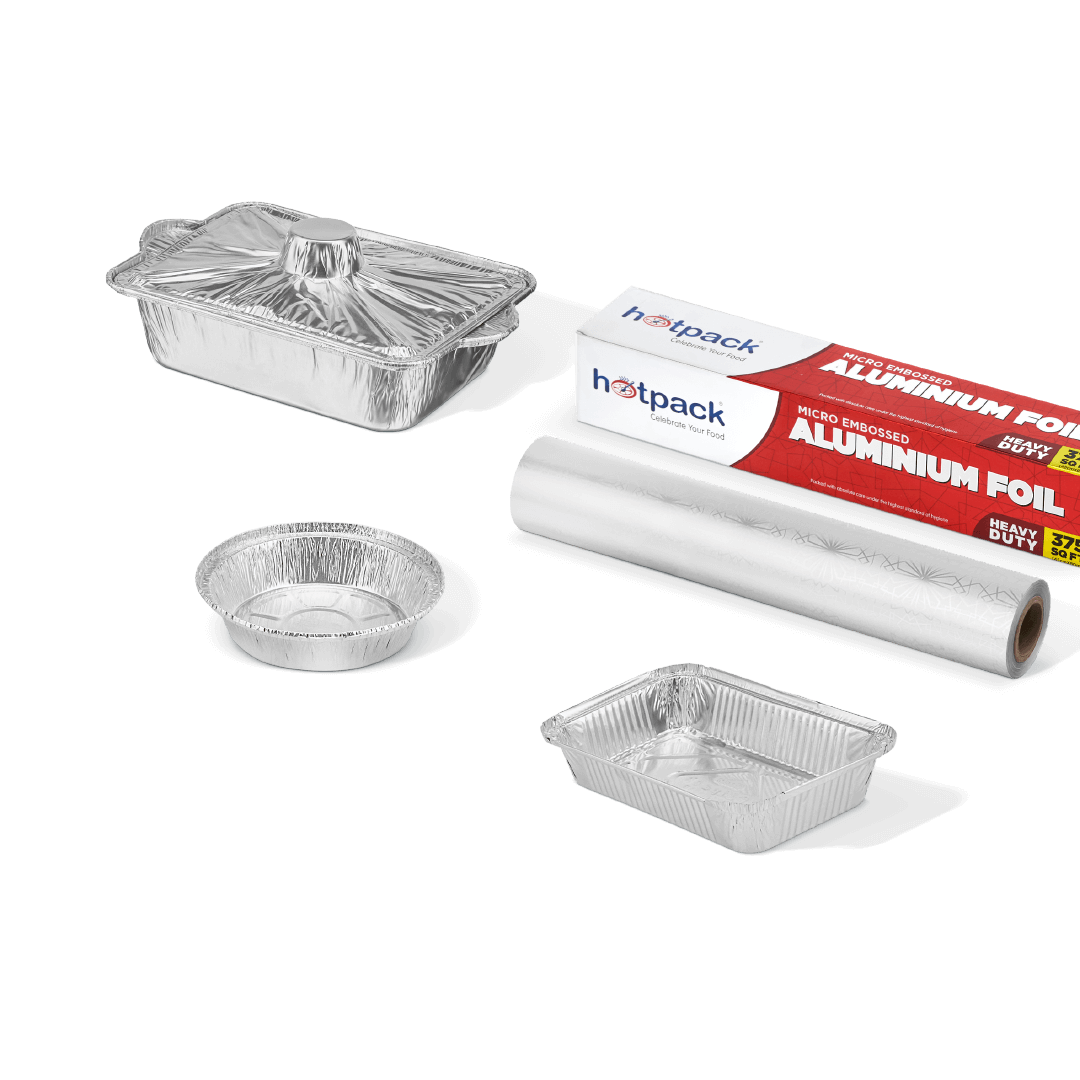
3. Aluminum Foil and Containers
- Provides strong barrier properties against light, moisture, and oxygen.
- Suitable for hot and cold food, especially in catering and delivery.
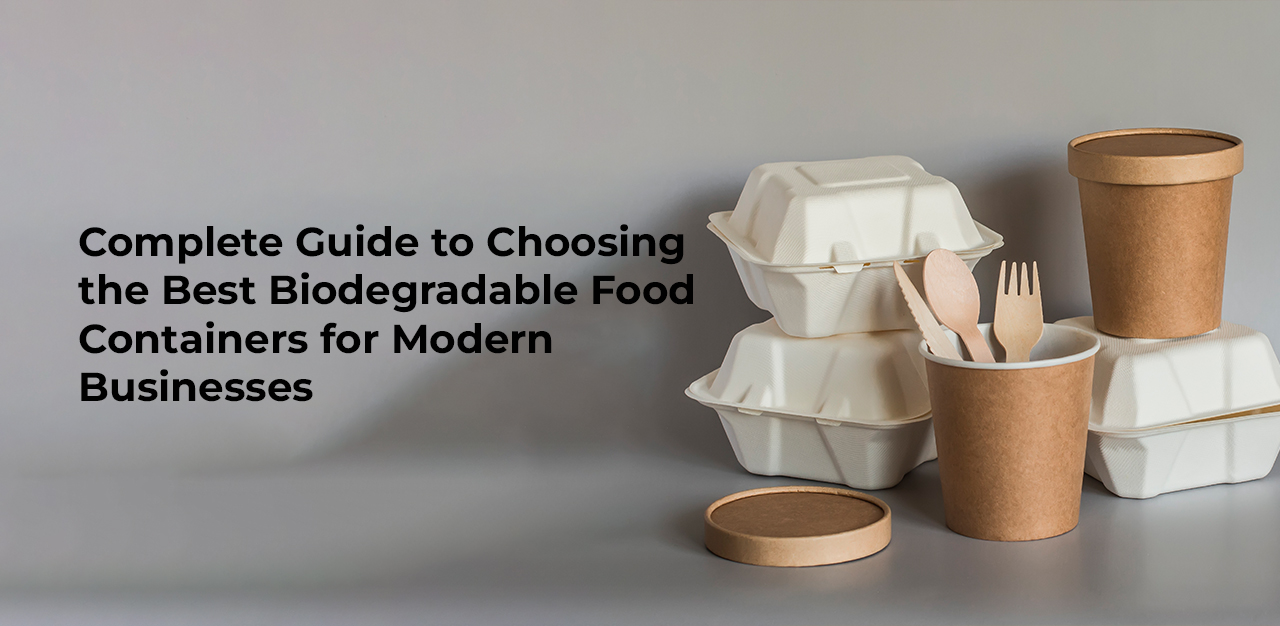
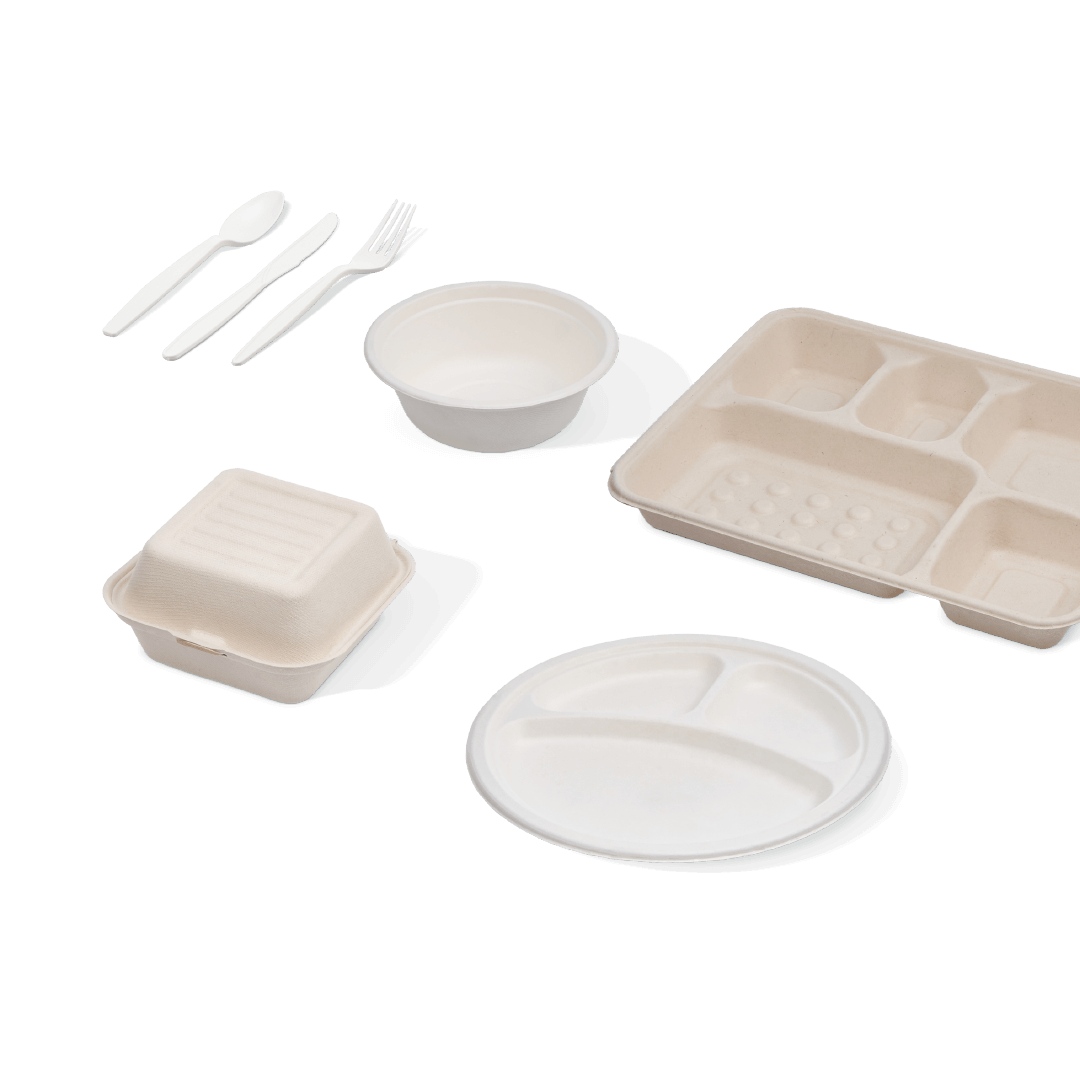
4. Biodegradable and Compostable Packaging
- Made from renewable resources such as cornstarch, sugarcane, or bamboo.
- Designed to reduce environmental impact.
- Ideal for eco-conscious businesses and customers.
5. Glass and Metal Packaging
- Durable, reusable, and excellent for preserving freshness.
- Commonly used for beverages, sauces, and long-shelf-life items.
Factors to Consider When Choosing Packaging
Every business has unique needs, but some key considerations apply universally:
- Product Type – Hot vs. cold, liquid vs. solid, perishable vs. long shelf-life.
- Shelf Life Requirements – Materials must match the product’s storage needs.
- Customer Convenience – Easy-to-carry, resealable, or microwave-safe options.
- Sustainability Goals – Choosing recyclable or biodegradable options.
- Budget and Scalability – Packaging must remain affordable and scalable as demand grows.
Sustainability in Food Packaging
Sustainability is no longer optional. Businesses adopting eco-friendly packaging not only appeal to conscious customers but also comply with global regulations. Popular sustainable choices include:
- Recyclable plastics (PET, PP) – Easily recyclable and durable.
- Paper and cardboard solutions – Reusable and biodegradable.
- Compostable packaging – Breaks down naturally under specific conditions.
- Reusable materials – Encourages longer product life and reduced waste.
By focusing on sustainable packaging, businesses reduce environmental impact while building stronger customer trust.
Trends in Food Packaging
The packaging industry is evolving rapidly. Some notable trends include:
- Smart Packaging – Incorporates QR codes, freshness indicators, and interactive designs.
- Minimalist Designs – Clean, simple, and eco-conscious packaging.
- Customization – Personalized branding to create stronger consumer connections.
- Portion Control Packaging – Convenient for on-the-go lifestyles.
- Hybrid Materials – Combining the strength of plastics with the eco-friendliness of paper.
Common Mistakes to Avoid in Food Packaging
- Choosing materials that don’t align with the product (e.g., non-greaseproof paper for oily foods).
- Overlooking local regulations and food safety standards.
- Ignoring sustainability and losing customer trust.
- Overcomplicating packaging, making it inconvenient for customers.
The Smart Approach to Packaging
The right food packaging materials make all the difference in product safety, customer satisfaction, and business growth. By focusing on sustainability, durability, and cost-effectiveness, businesses can align packaging choices with both consumer expectations and operational goals.
When selecting packaging, always look for trusted suppliers who combine global manufacturing strength with local market knowledge. Hotpack Global is a partner that ensures your packaging is not only practical but also future-ready. Whether you need any type of food packing solutions or want to buy paper coffee cups, Hotpack delivers solutions designed to perform.
Hotpack Global: Your Trusted Partner in Packaging
At Hotpack Global, we specialize in providing innovative and reliable packaging solutions that meet global standards while addressing local business needs. With decades of expertise and a diverse product portfolio, we serve industries ranging from foodservice and retail to healthcare and hospitality.
As a food packaging company with a strong global presence, we offer everything from eco-friendly paper bags to durable containers and smart packaging solutions. Whether you require large-scale distribution or customized branding, our team ensures high quality, sustainability, and cost-efficiency at every stage. Partner with Hotpack Global for packaging that safeguards your food, supports your brand, and prepares your business for tomorrow.
FAQs
Q1: What are the most common food packaging materials?
ANS- The most widely used food packaging materials include paper, cardboard, plastics like PET and PP, aluminum foil, and biodegradable alternatives such as cornstarch or sugarcane-based products.
Q2: Why is sustainability important in food packaging?
ANS- Sustainable packaging reduces waste, minimizes carbon footprint, and appeals to eco-conscious consumers. Many businesses now prefer recyclable or compostable options to meet customer and regulatory demands.
Q3: How do I choose the right food packaging for my business?
ANS- Factors such as food type, shelf life, transportation needs, budget, and customer convenience help determine the right packaging material for your products.
Q4: Can packaging affect customer perception?
ANS- Yes. Packaging is often the first interaction customers have with your product. High-quality, hygienic, and eco-friendly packaging improves customer satisfaction and strengthens brand image.