
Food packaging has evolved dramatically over the years. Today, businesses look for solutions that protect products, support branding, and meet modern sustainability expectations. Whether it’s for restaurants, catering services, retail stores, or manufacturers, the right food packaging materials ensure freshness, hygiene, and convenience. This guide breaks down the most widely used options in the market, how they help businesses, and what makes them essential in today’s fast-moving industry.
Why Choosing the Right Packaging Matters
Packaging plays a critical role in product safety, shelf life, and presentation. With customer expectations rising, brands must select food packaging that is both functional and environmentally responsible. The material you choose affects storage, transportation, customer experience, and even brand reputation.
From durable plastics to sleek paper-based solutions, here are the most common packaging materials used across food industries worldwide.
1. Paper & Cardboard: A Classic, Sustainable Choice
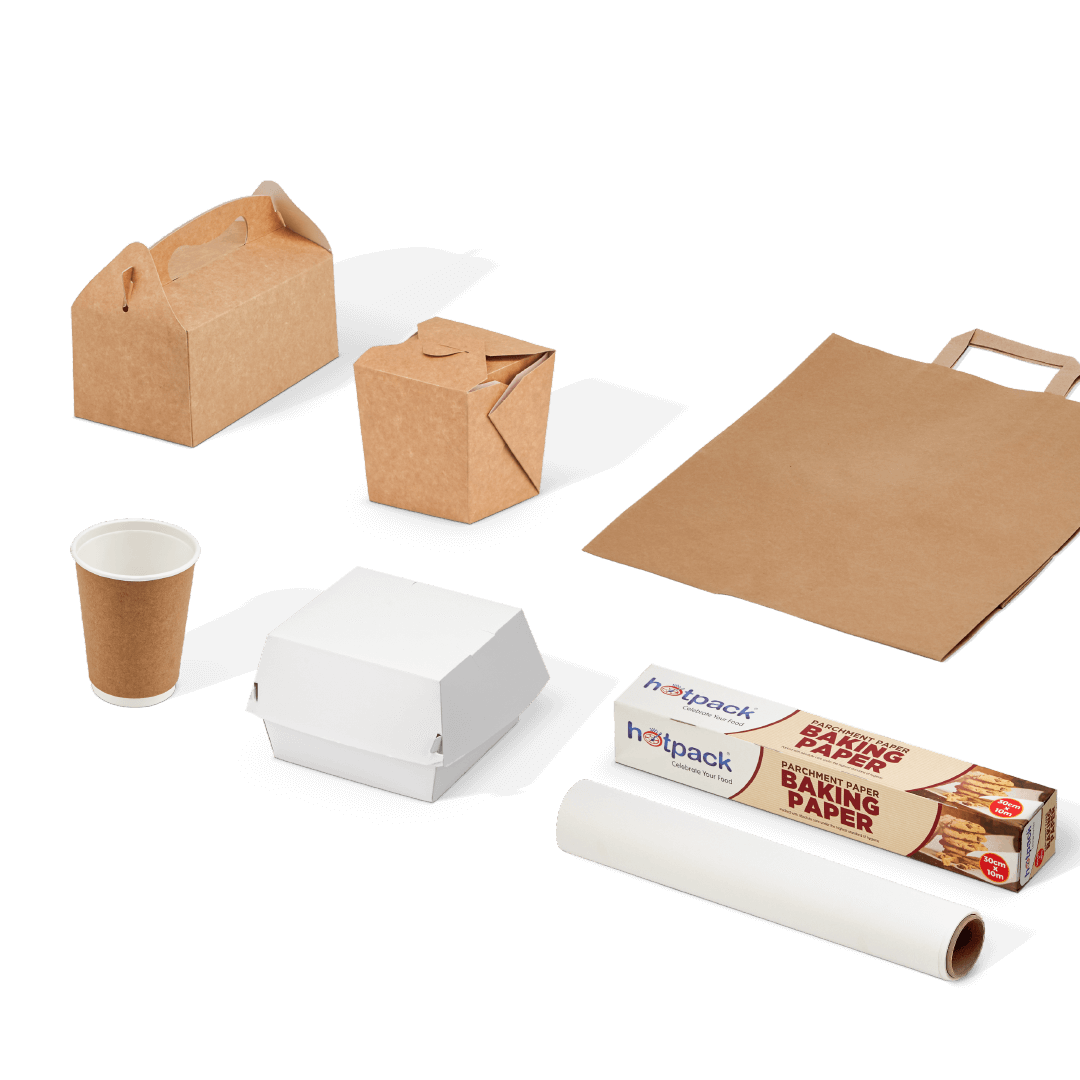
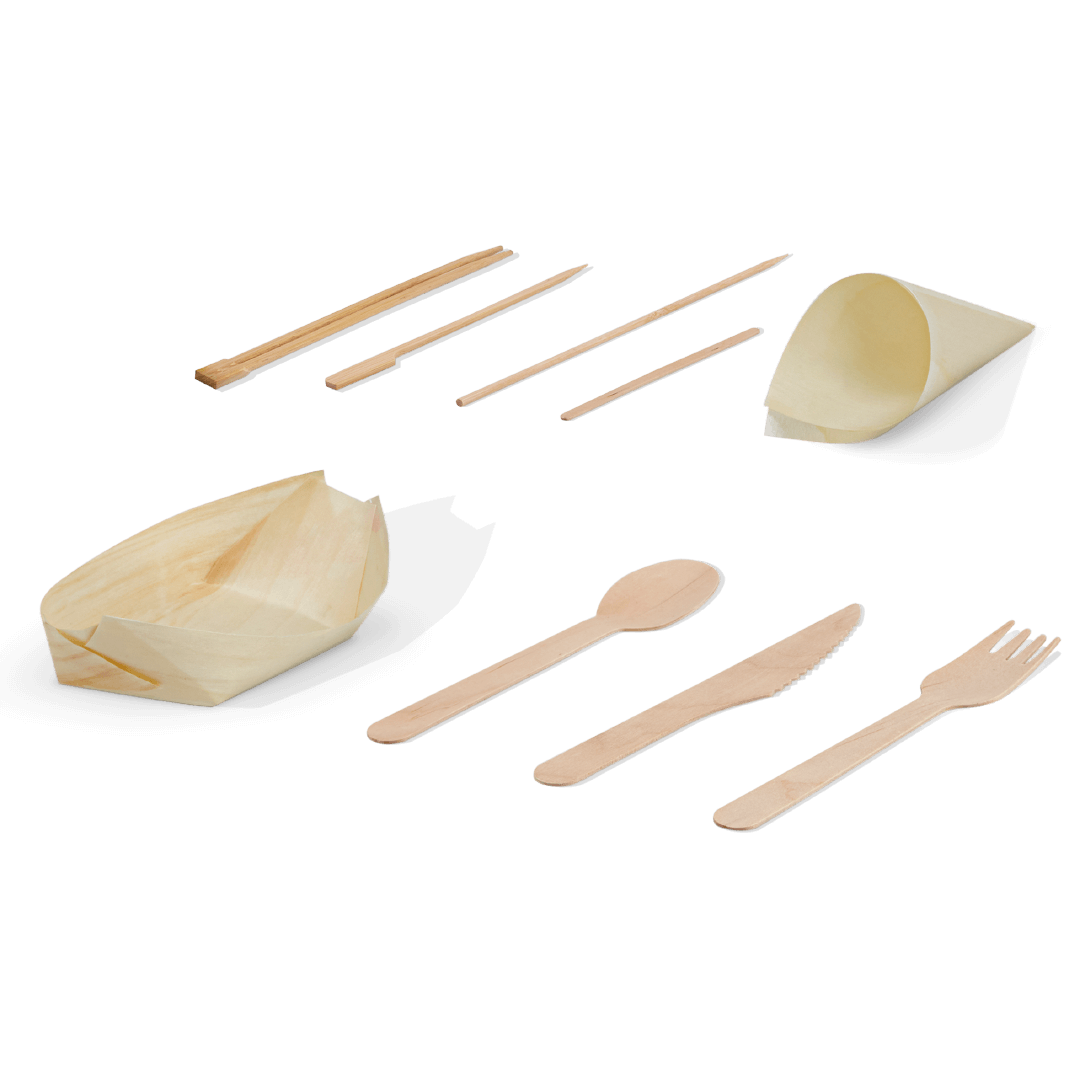
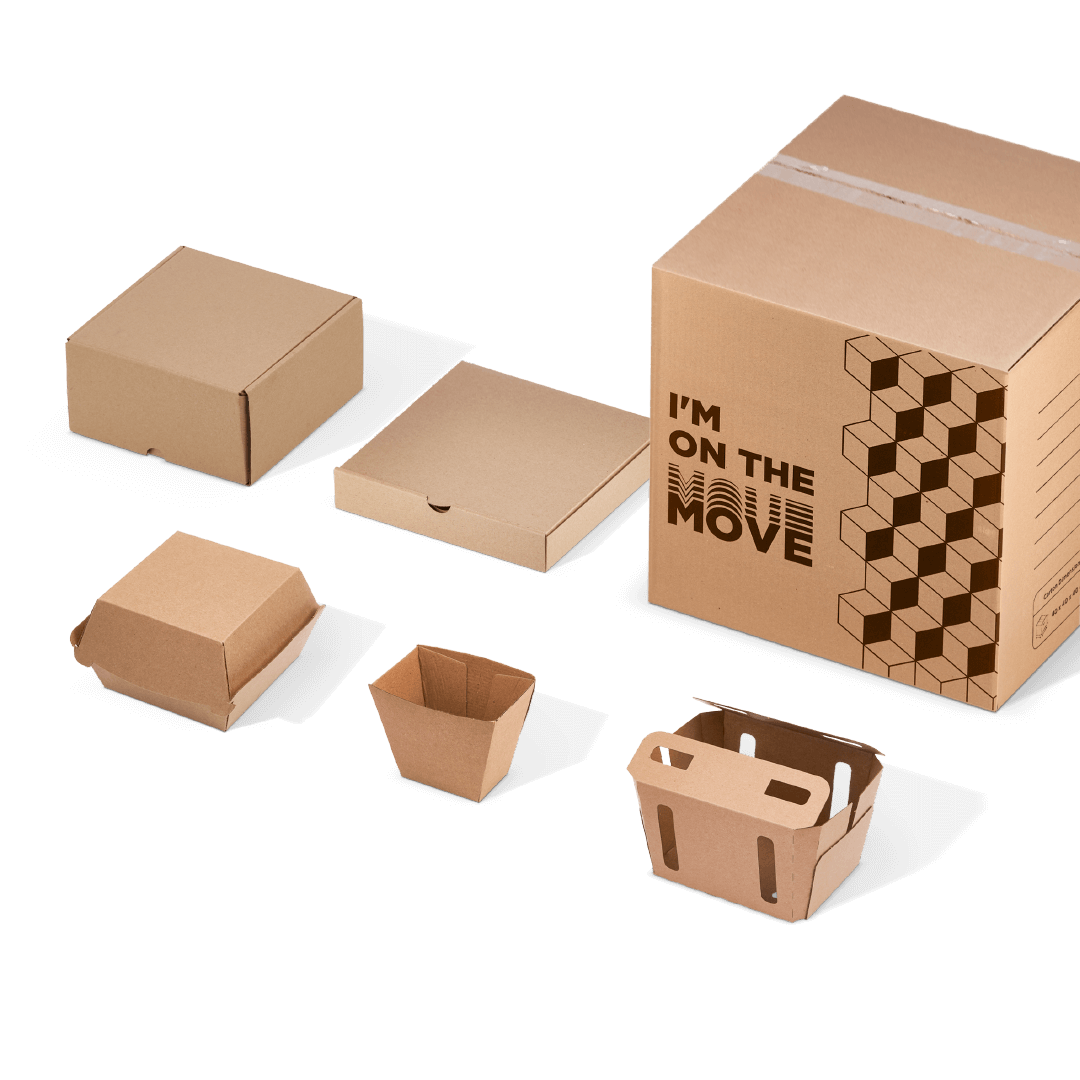
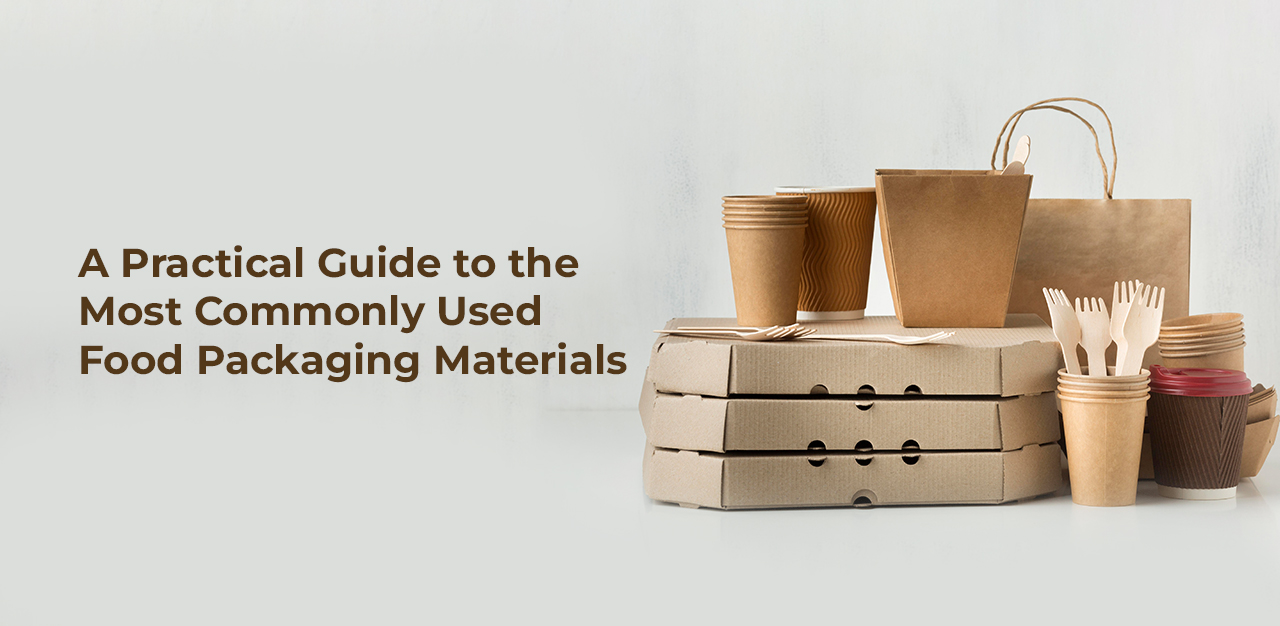
Paper and cardboard remain top choices because they are versatile, renewable, and recyclable. They’re used widely for takeaway boxes, bakery packaging, cup sleeves, and carry bags. Many businesses prefer paper due to its natural, eco-friendly appeal.
Benefits
- Lightweight and easy to print
- Biodegradable and recyclable
- Ideal for branding and custom printing
- Safe for direct food contact
Paper-based food packaging materials are particularly popular for sandwiches, pastries, hot beverages, and dry foods. Modern retailers and cafés use paper boxes, bags, and cups to provide clean, natural aesthetics that customers appreciate.
2. Recyclable Plastics: PET & PP for Modern Food Packaging
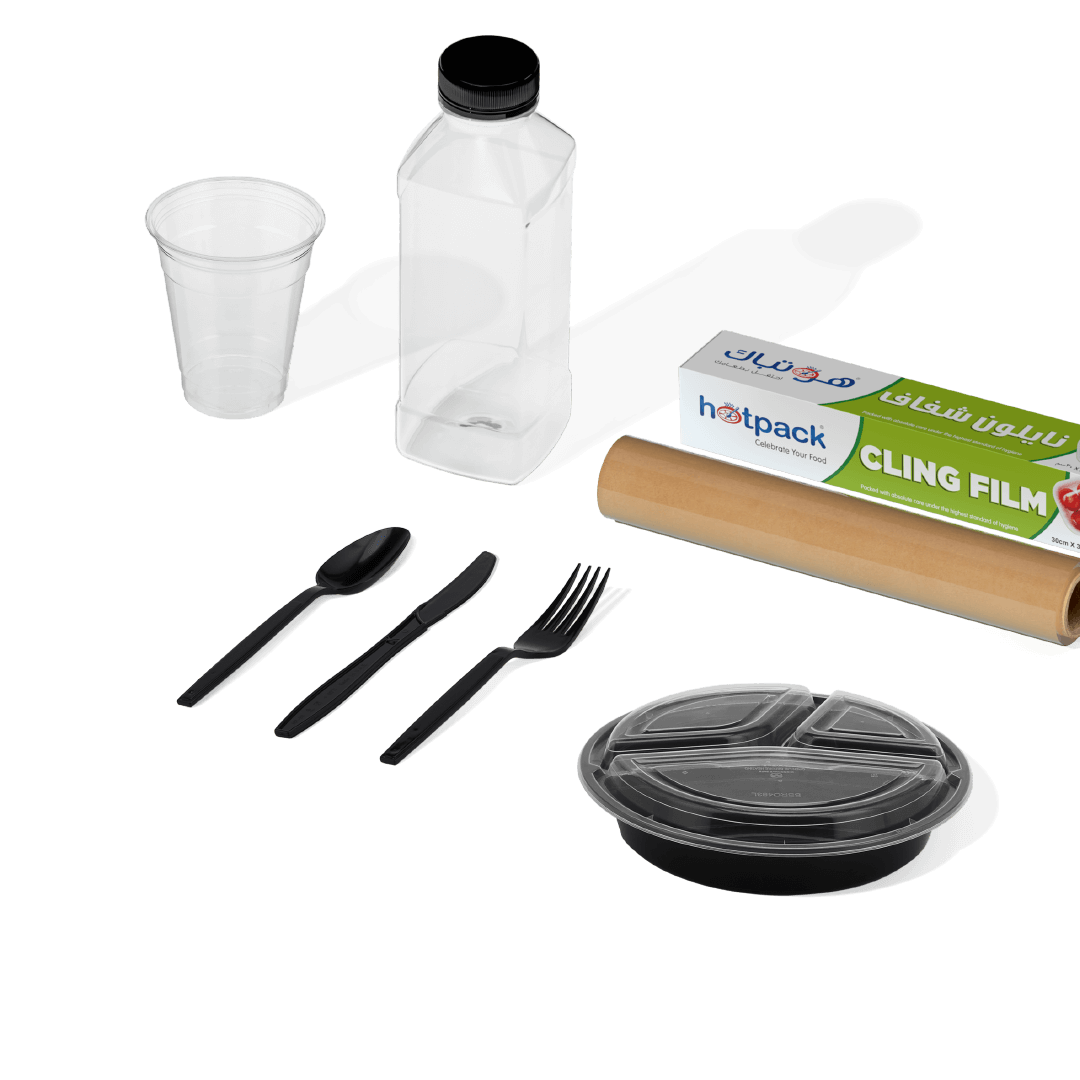
Recyclable plastics like PET (Polyethylene Terephthalate) and PP (Polypropylene) are widely used because they balance durability with sustainability. These are not single-use plastics, they are recyclable, safe, and approved for food contact.
Where PET Works Best
- Cold beverages
- Salad bowls
- Transparent containers
- Juice bottles
PET offers crystal clarity, making it ideal for showcasing food while keeping it protected.
Where PP Works Best
- Microwaveable food trays
- Meal prep containers
- Hot food items
PP withstands heat, making it suitable for reheating and hot delivery meals.
Why Businesses Prefer Recyclable Plastics
- Excellent barrier against moisture and contamination
- High durability for deliveries
- Cost-effective
- Fully recyclable in established waste streams
Recyclable plastics remain essential for industries that require strong, hygienic, long-shelf-life packaging.
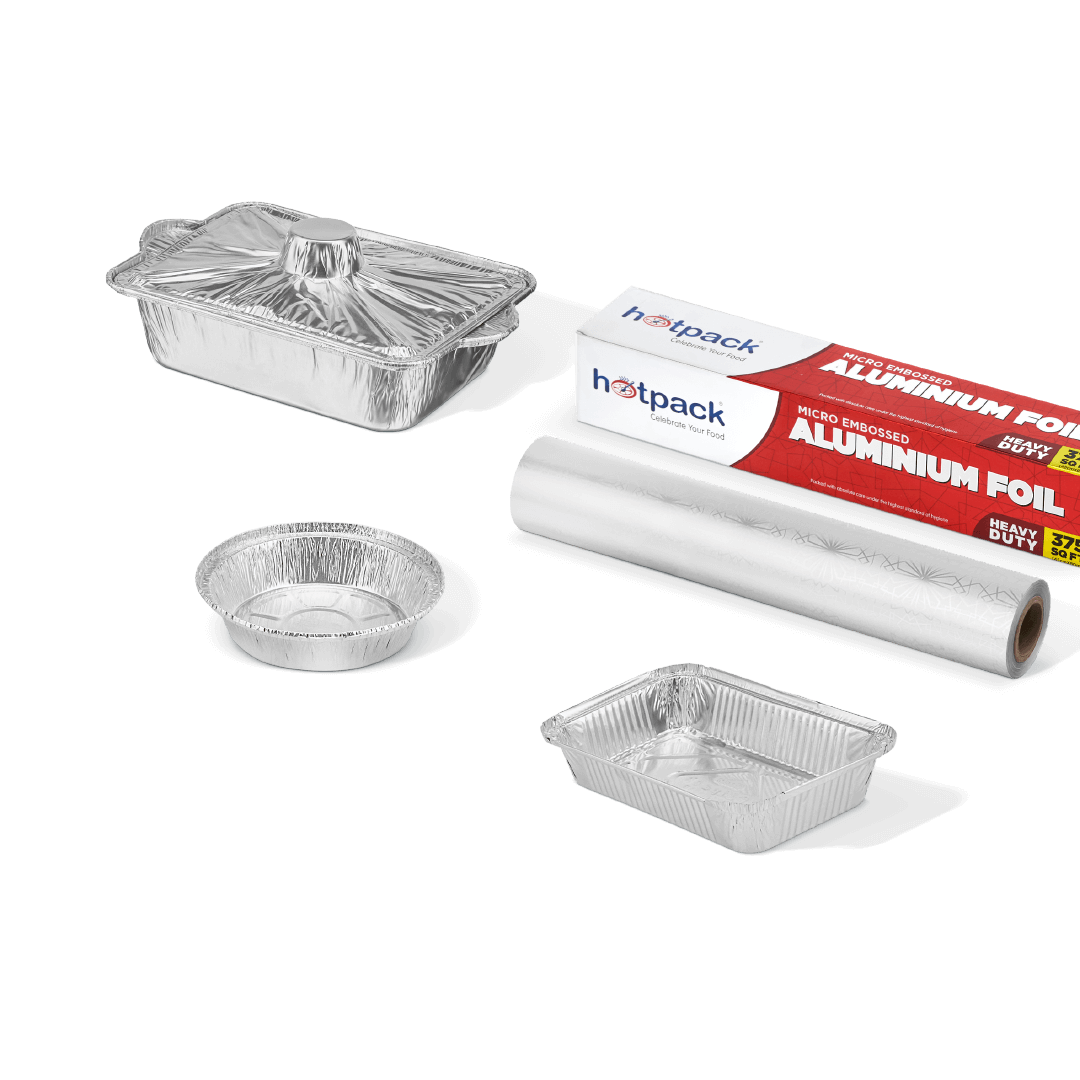
3. Aluminum: Hygienic & Temperature-Resistant
Aluminum is widely used for foil containers, trays, and wraps. It’s highly resistant to heat, which makes it perfect for hot food, baking, grilling, and food transport.
Advantages
- Great heat retention
- Resistant to grease and moisture
- Recyclable
- Ideal for catering and large-scale food service
Aluminum containers are especially essential for hotels, restaurants, catering companies, and commercial kitchens.
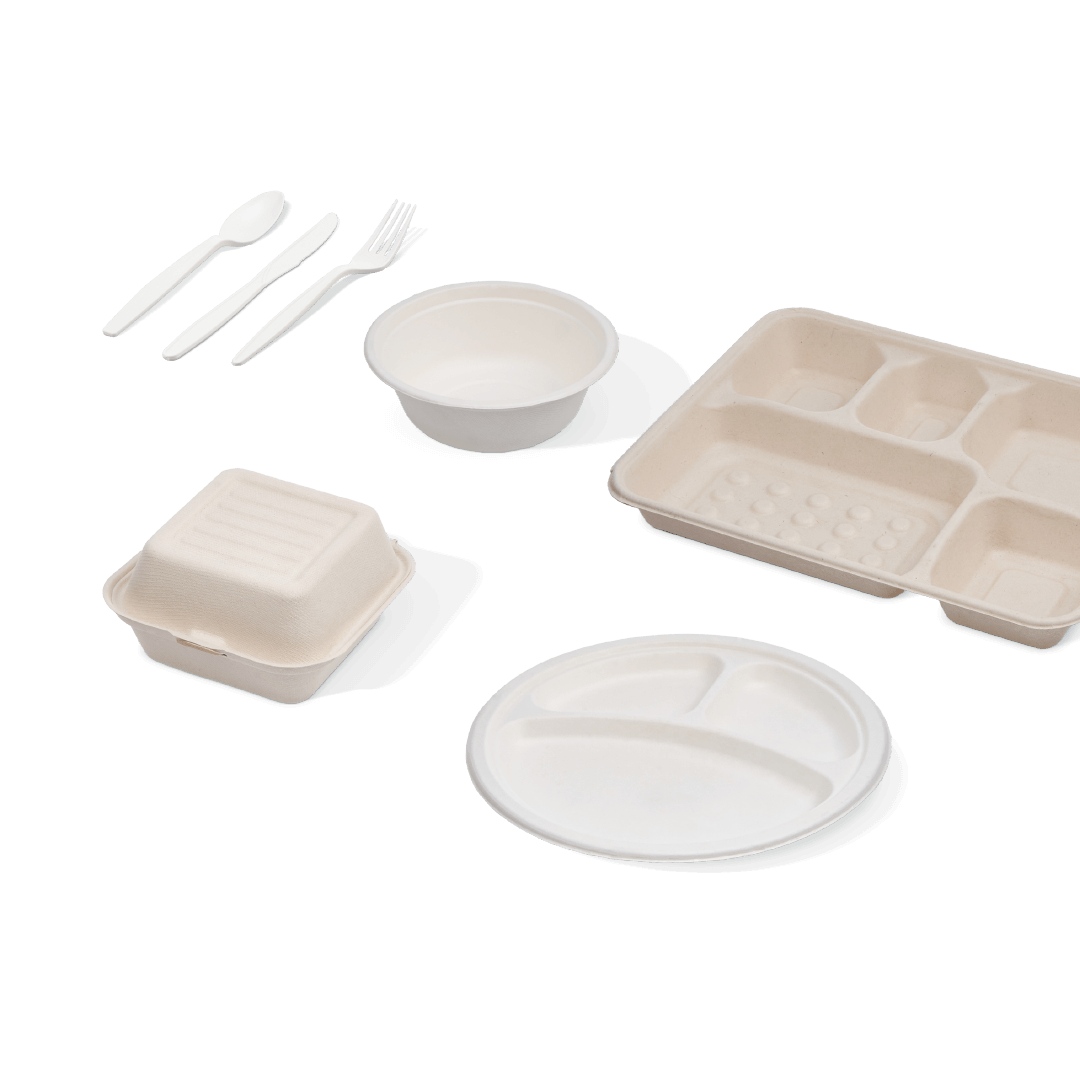
4. Molded Fiber Packaging: Natural & Compostable
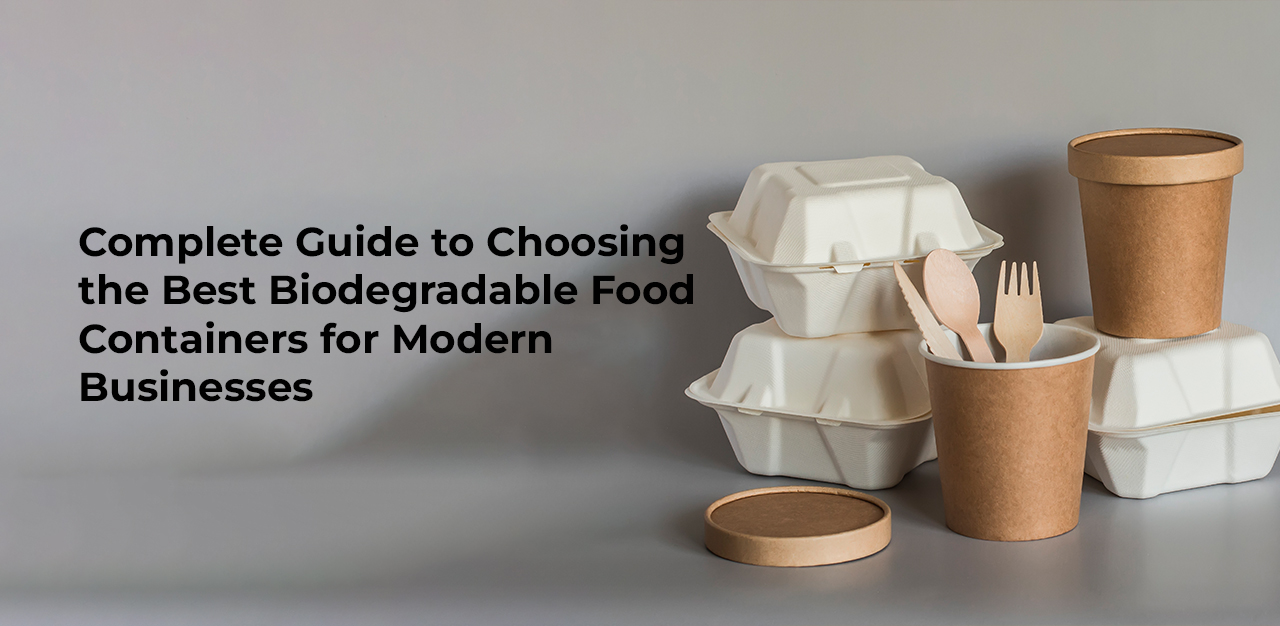
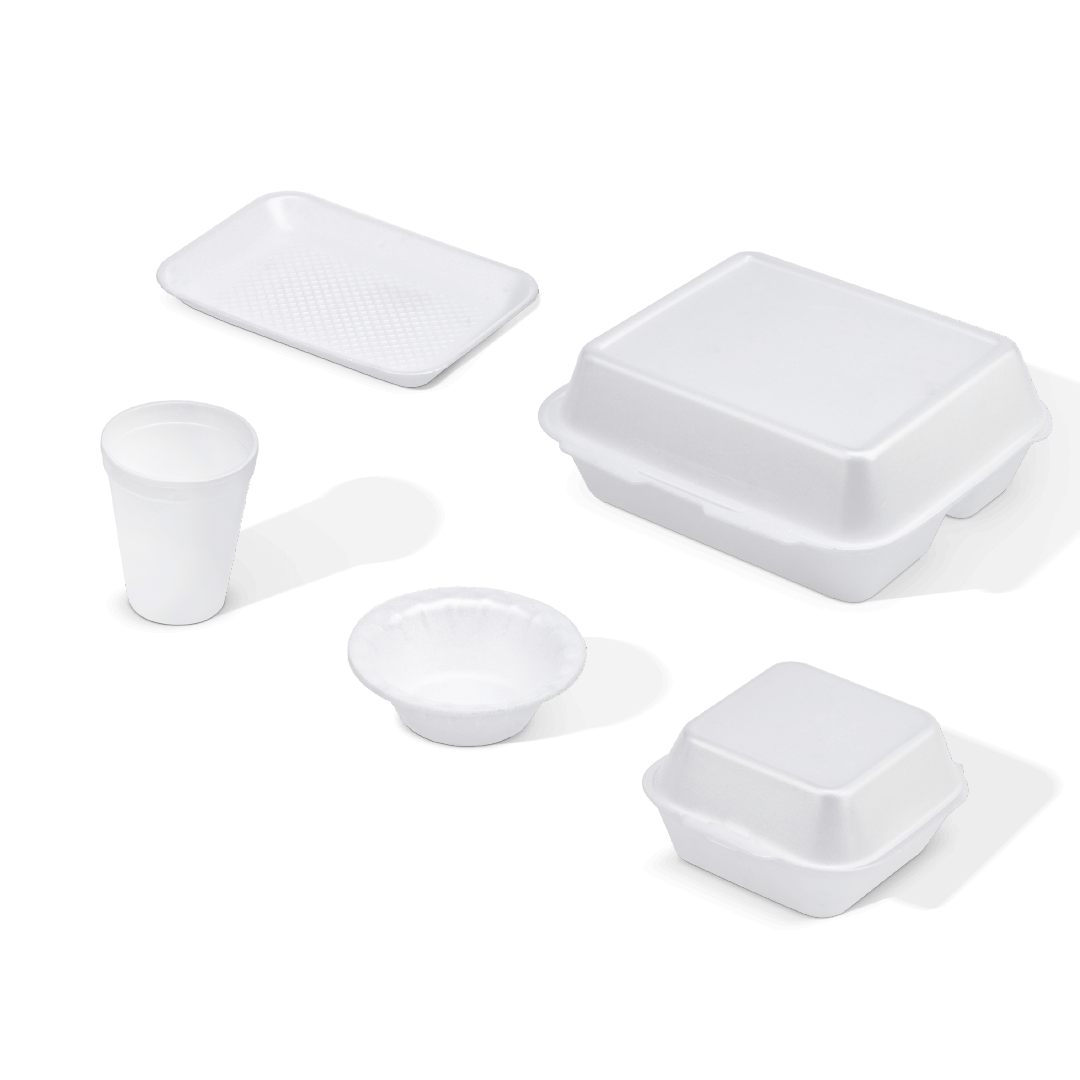
Molded fiber is made from recycled paper pulp, sugarcane bagasse, and other plant-based fibers. It is naturally biodegradable and compostable.
Common Uses
- Meal trays
- Bowls
- Hinged lunch boxes
Its strength and heat tolerance make molded fiber an increasingly preferred choice among eco-conscious businesses.
5. Flexible Packaging for Modern Retail
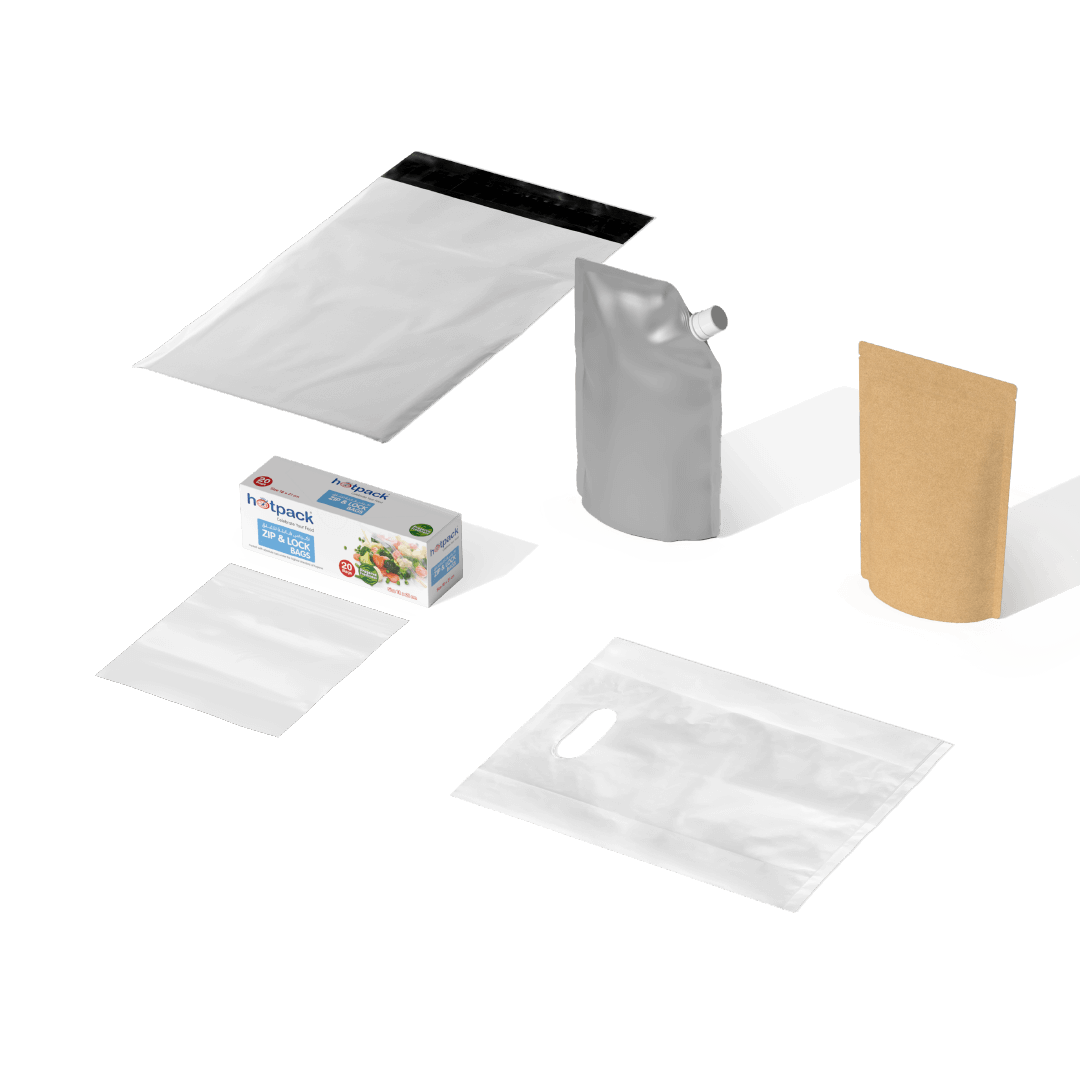
Flexible packaging includes pouches, wraps, laminated films, and resealable bags. These materials help protect products against moisture, air, and contamination.
Benefits
- Lightweight, making transportation easier
- Offers excellent shelf-life extension
- Customizable for branding
- Ideal for snacks, dry foods, spices, and frozen foods
Flexible packaging also reduces material waste, making it a smart option for high-volume manufacturing.
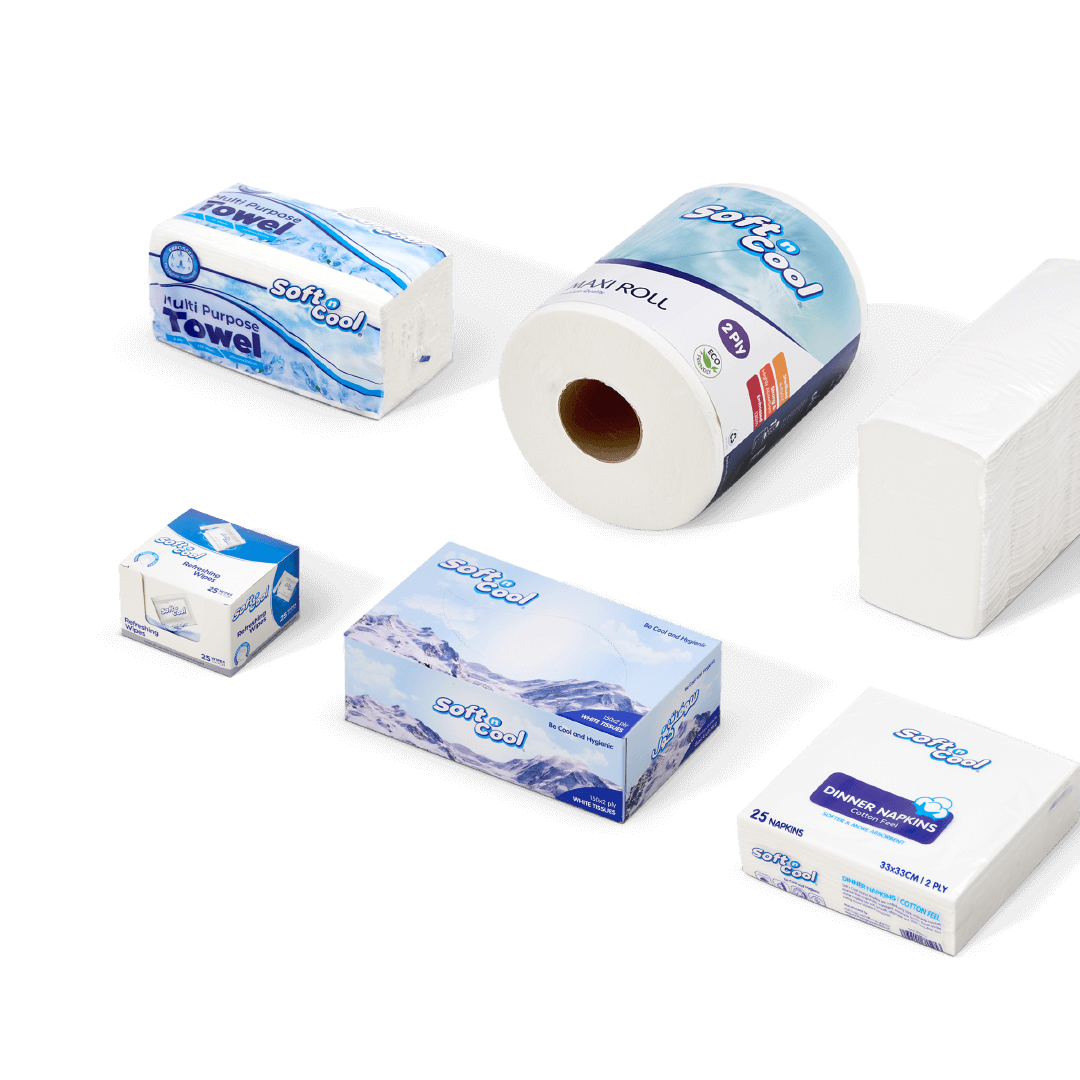
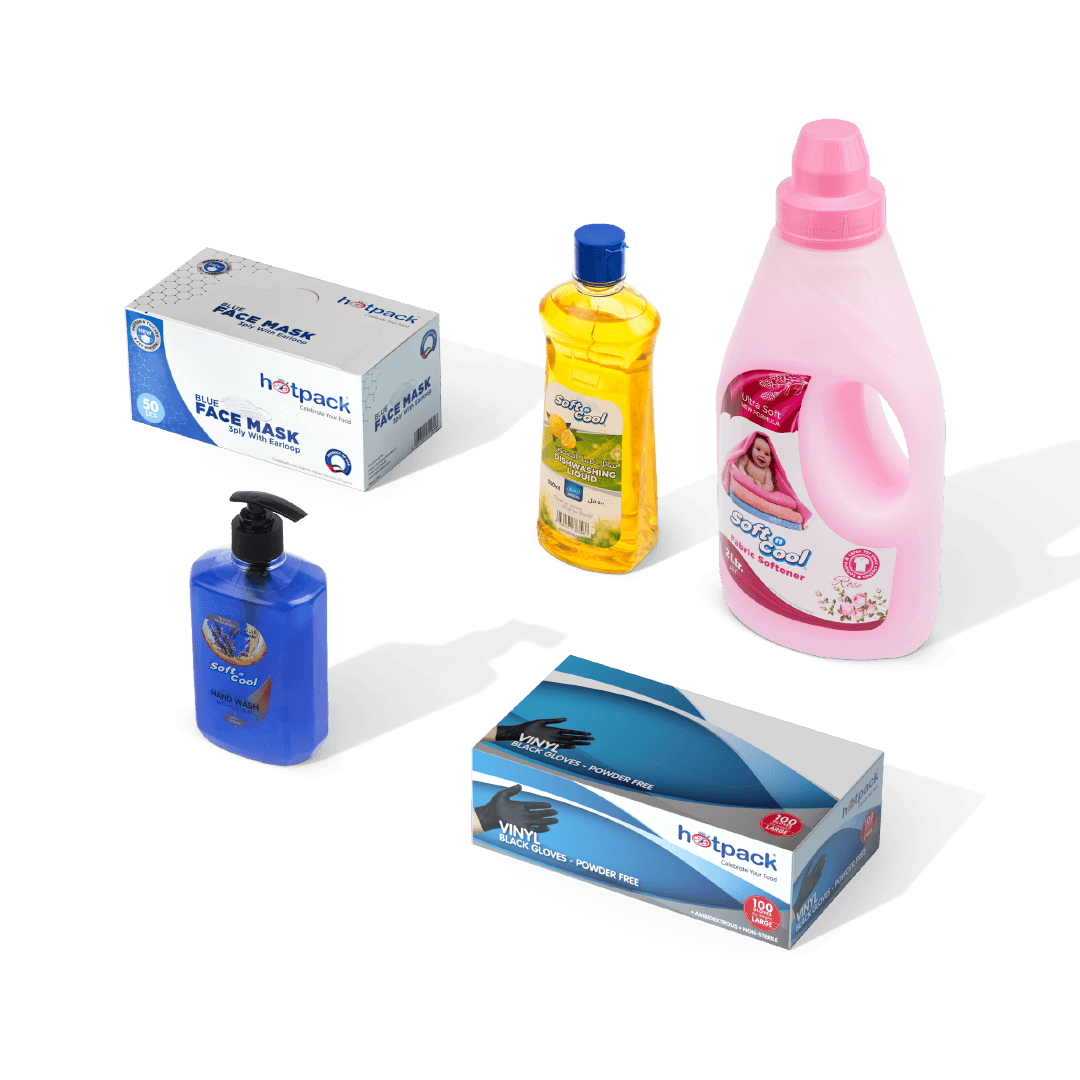
6. Tissue Products in Food Settings
While often overlooked, tissue products play an important role in hygiene and presentation. From napkins and facial tissues to kitchen rolls and table napkins, they complement all types of food packaging environments, restaurants, cafés, catering service counters, and household pantries.
Hotpack Global : Your Trusted Partner for Packaging Excellence
Hotpack Global stands at the forefront of packaging innovation, offering durable, hygienic, and high-performance solutions for every industry. With an extensive product range that includes paper-based items, recyclable plastics, aluminum containers, molded fiber products, tissues, and flexible packaging, we support both businesses and households with dependable quality. Our manufacturing strength, global presence, and ability to deliver tailored solutions make us a preferred partner for brands worldwide. Whether you need standard packaging or custom-designed products, Hotpack provides reliability, sustainability, and value that set your business apart.
Whether your business is a café, catering service, supermarket, or home-based food brand, understanding packaging materials allows you to make better decisions. Durability, environmental impact, usability, and cost all matter when building a reliable packaging system. And when eco-conscious options like paper, molded fiber, and recyclable plastics come together, customers notice. Businesses looking to upgrade their packaging can explore a wide selection of sustainable options, from takeaway containers to brown paper bags, to create quality experiences with every order.
FAQs
1. What are the most common food packaging materials used today?
Paper, recyclable plastics (PET & PP), aluminum, molded fiber, and flexible packaging are the most widely used materials. Each offers unique advantages depending on the type of food and storage requirement.
2. Are recyclable plastics considered environmentally friendly?
Yes. PET and PP plastics are fully recyclable and part of established recycling systems, making them safer alternatives compared to banned single-use plastics.
3. Which packaging material is best for takeaway food?
Paper boxes, PET containers, PP microwavable trays, aluminum foil trays, and molded fiber boxes are all excellent options depending on food type and whether it needs insulation or reheating.