UAE
UAE 

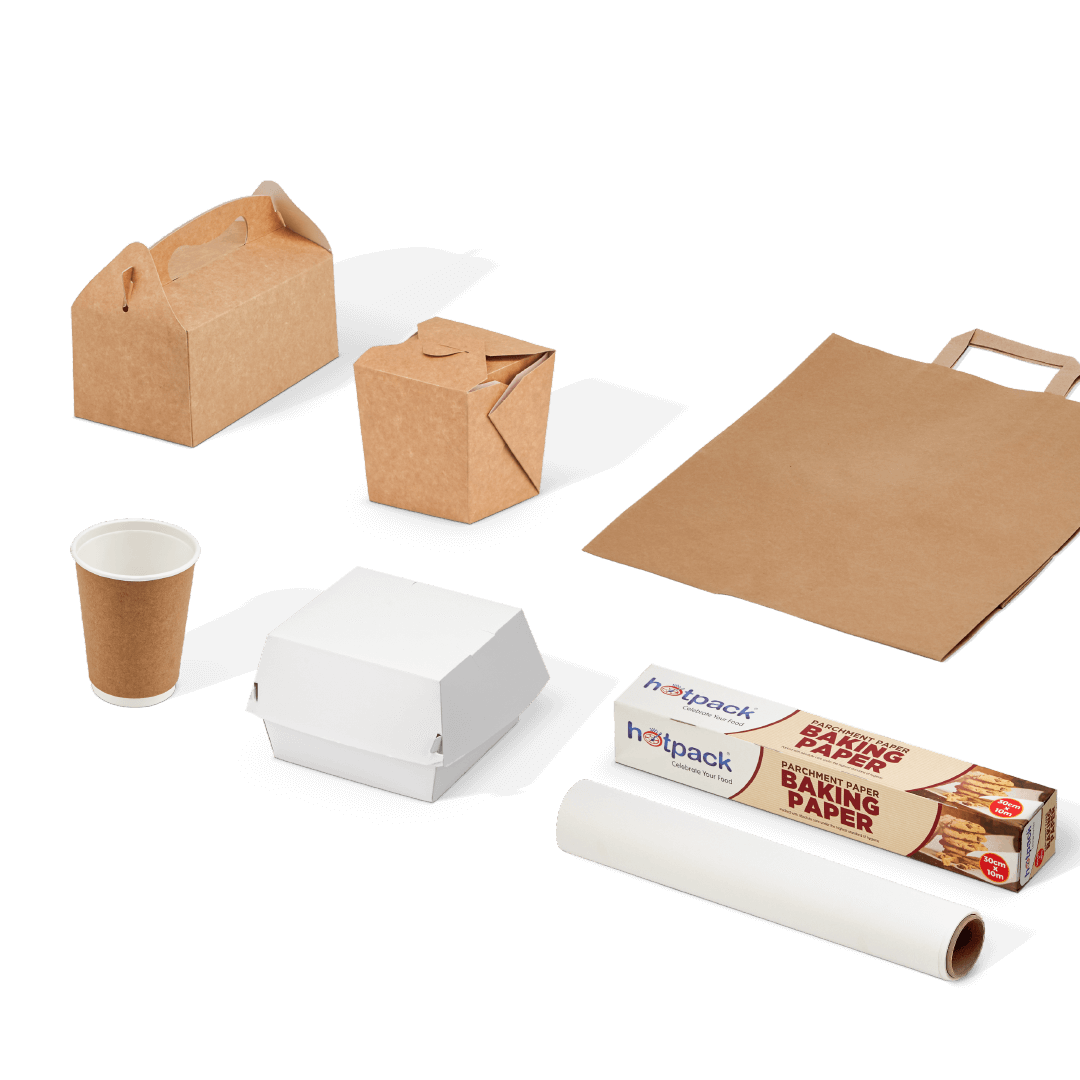
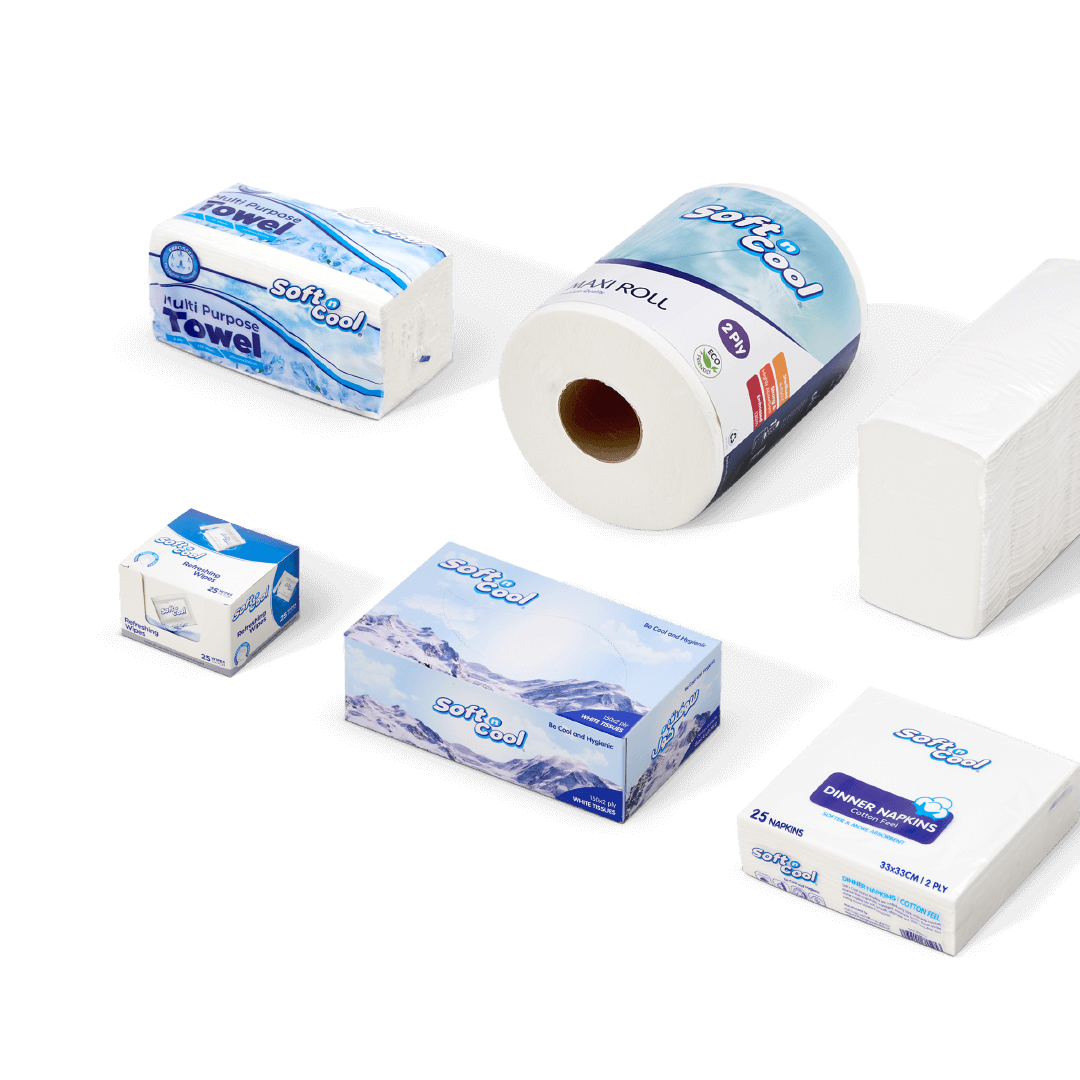
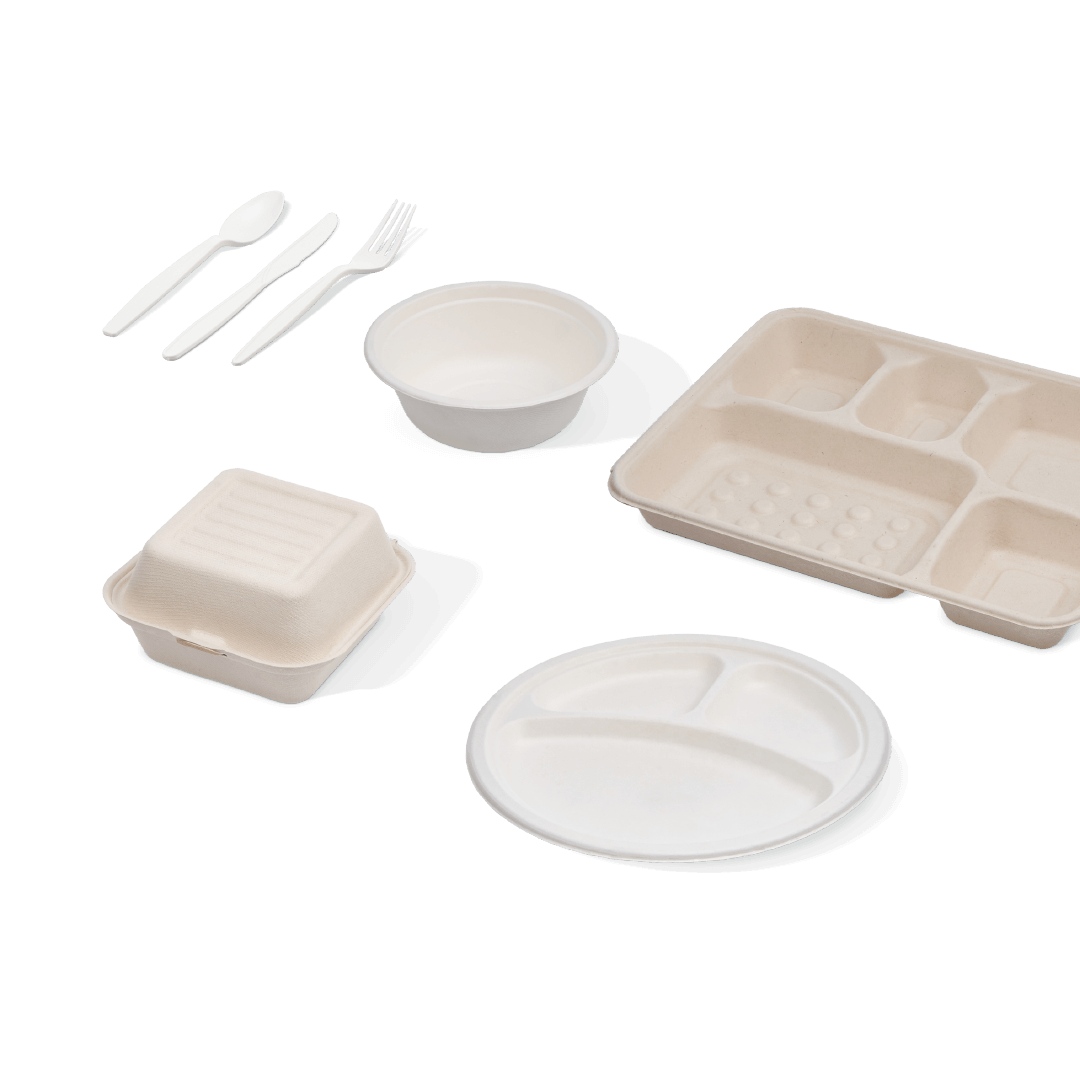
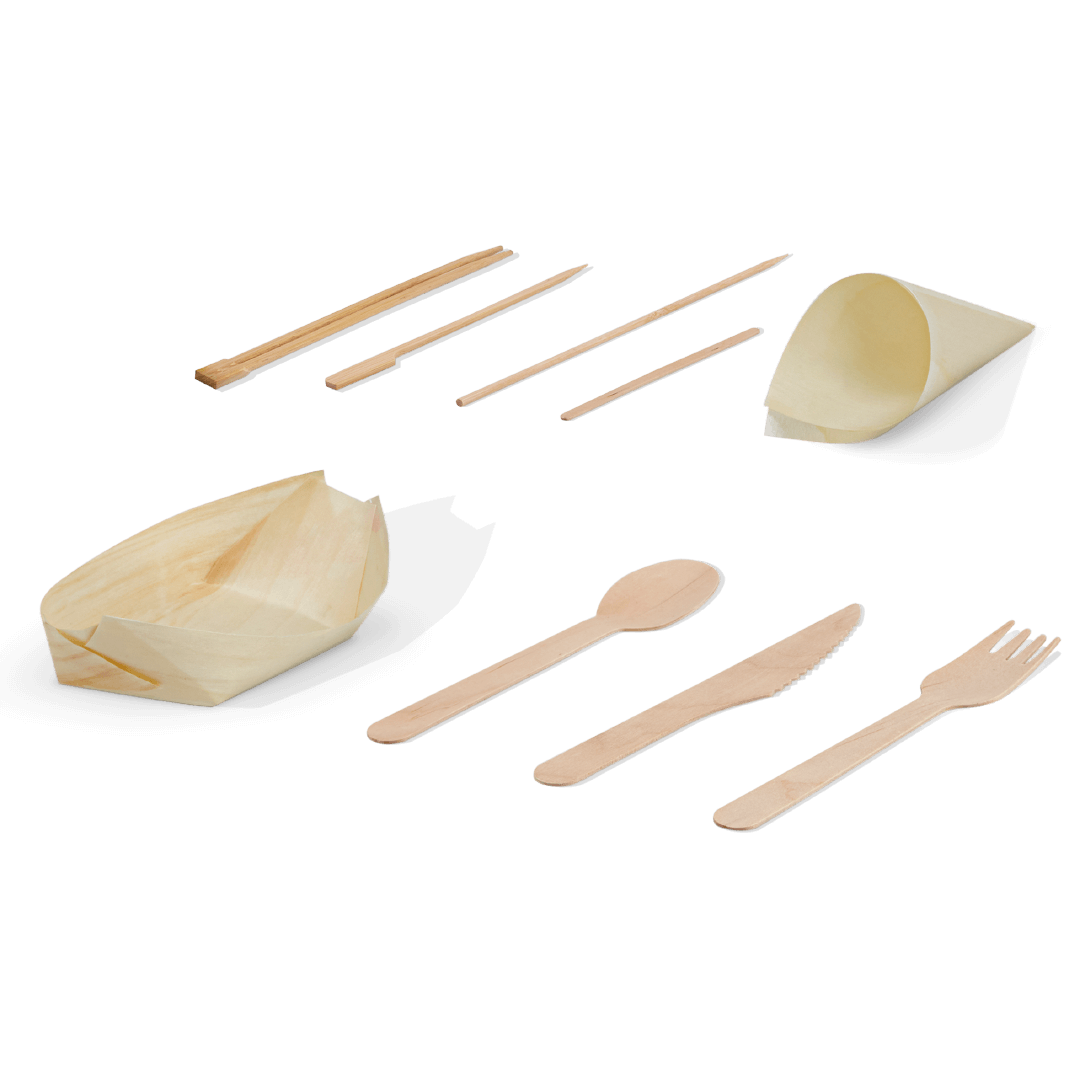
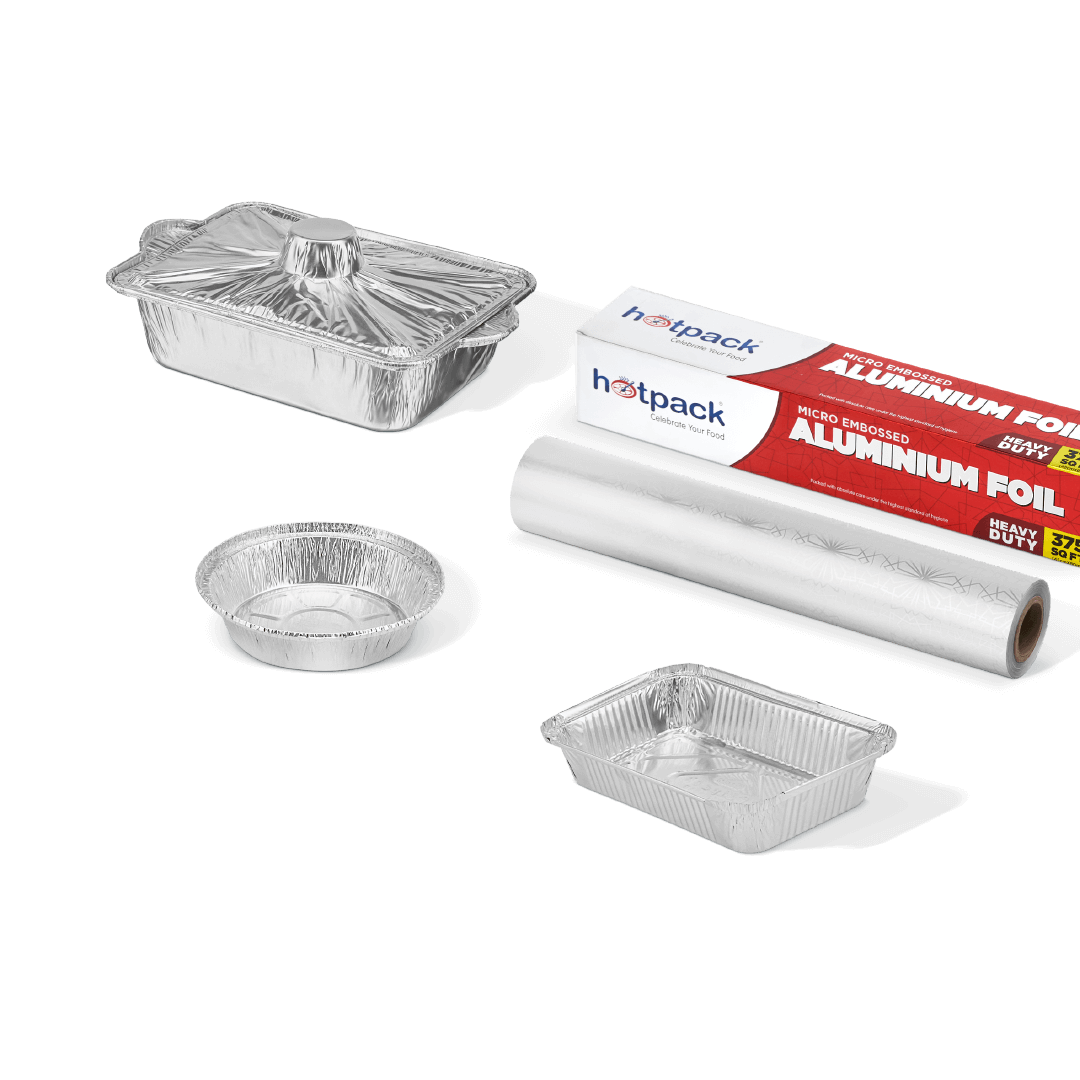
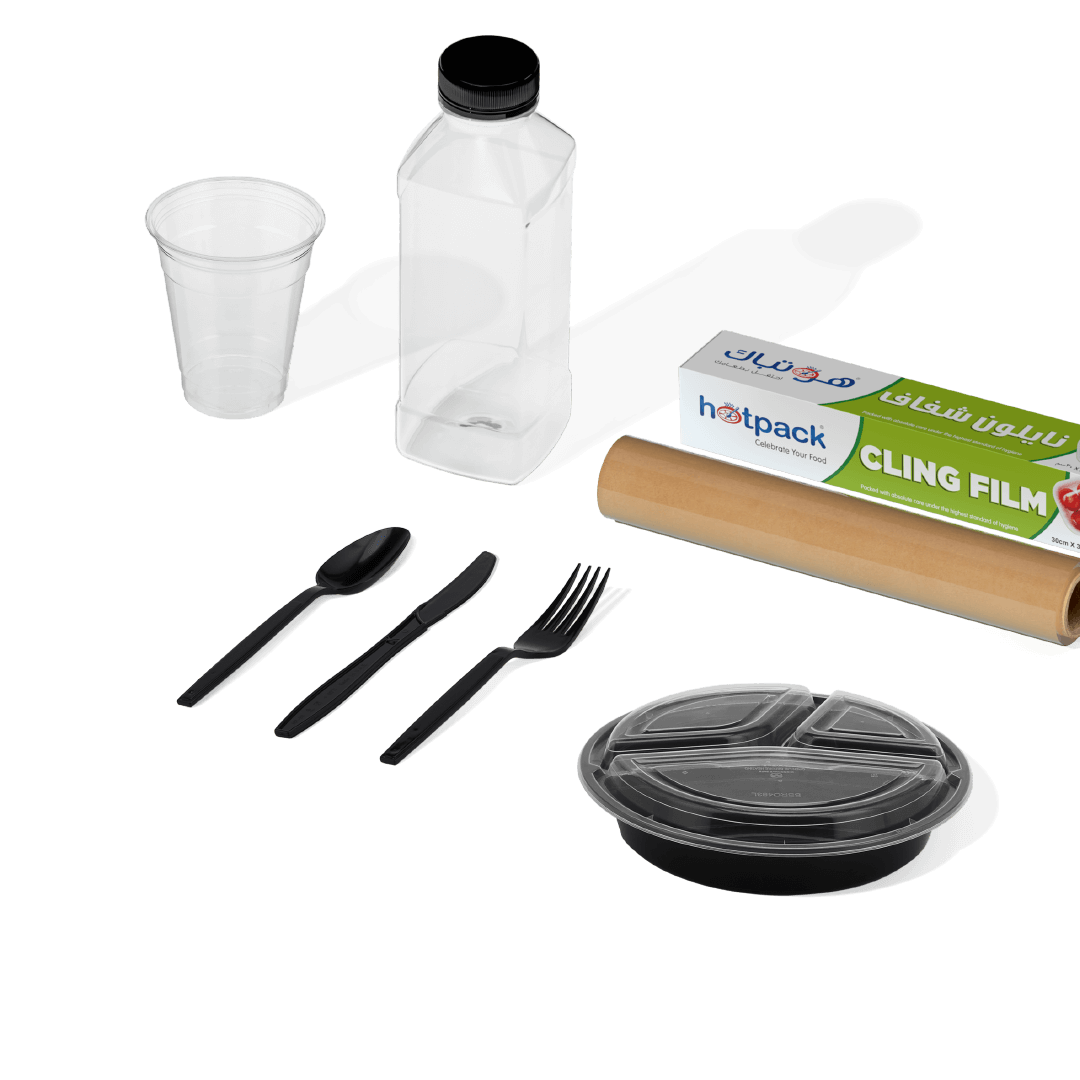
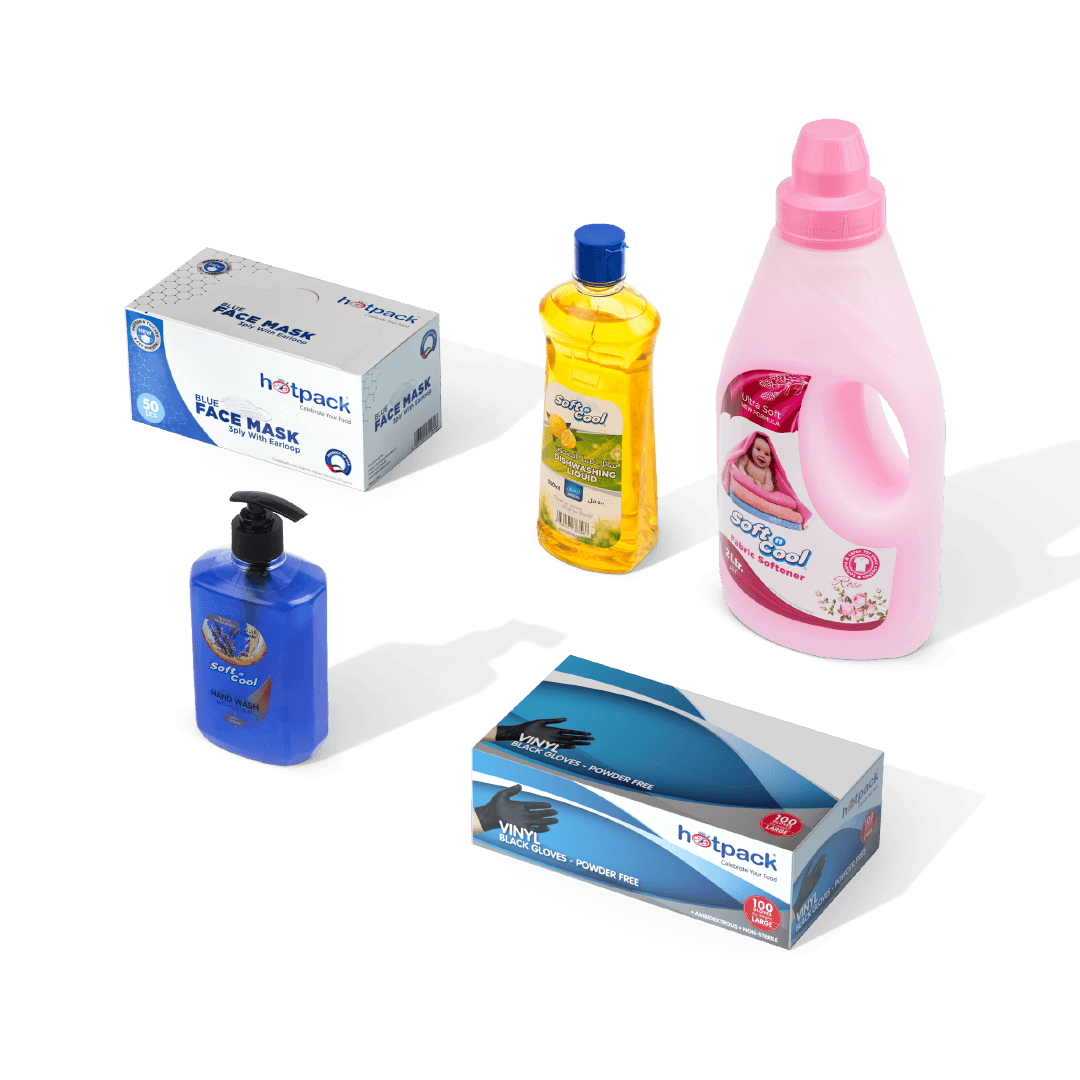
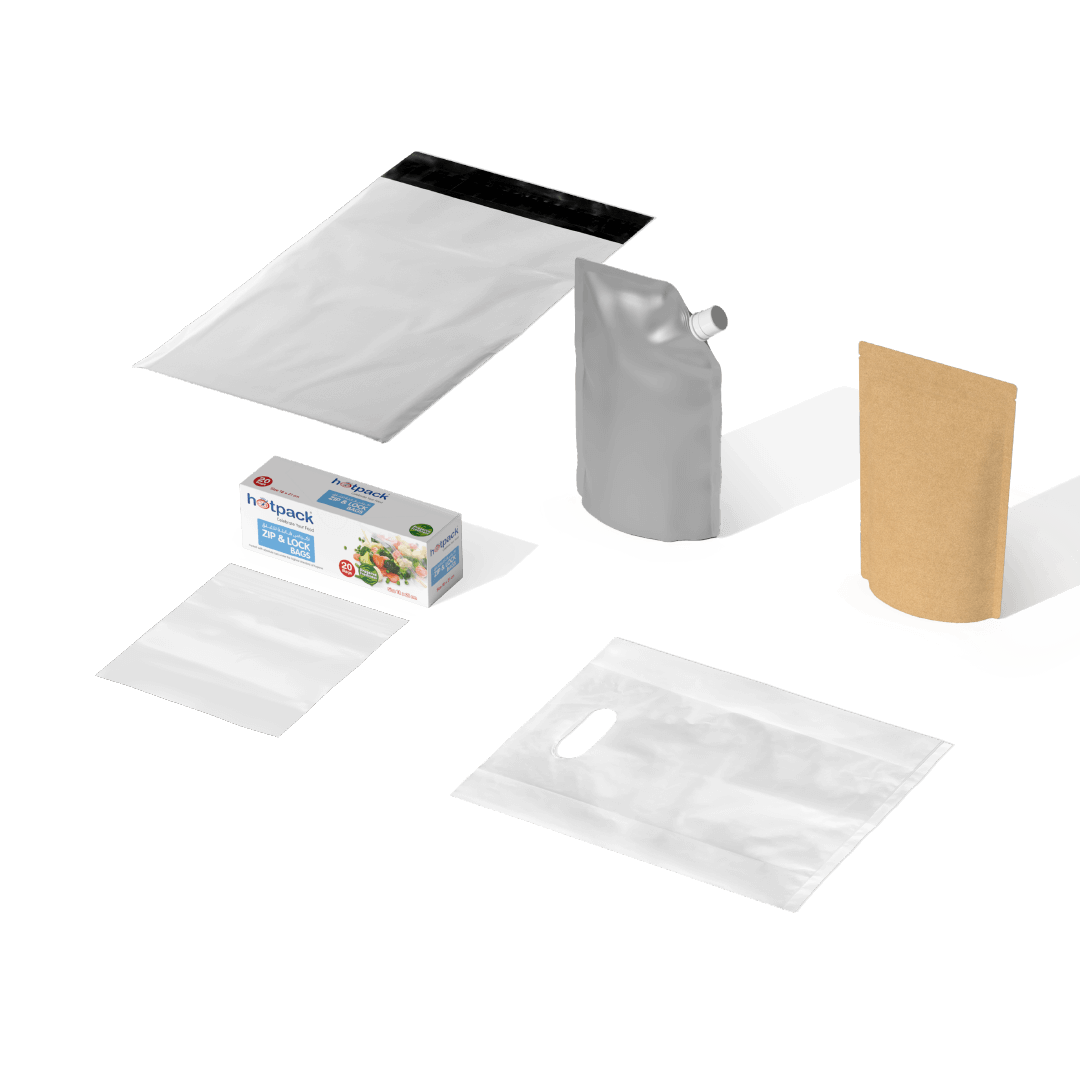
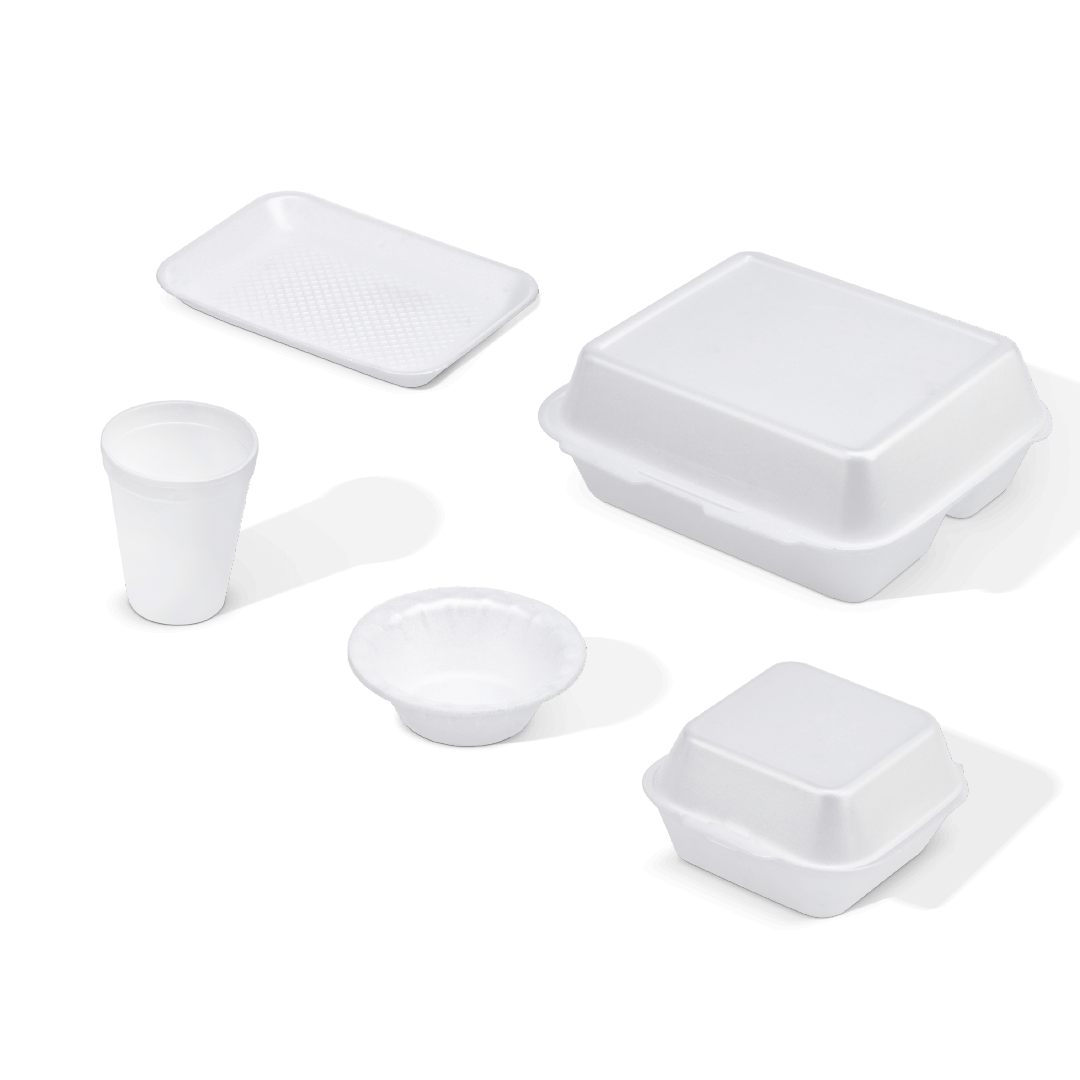
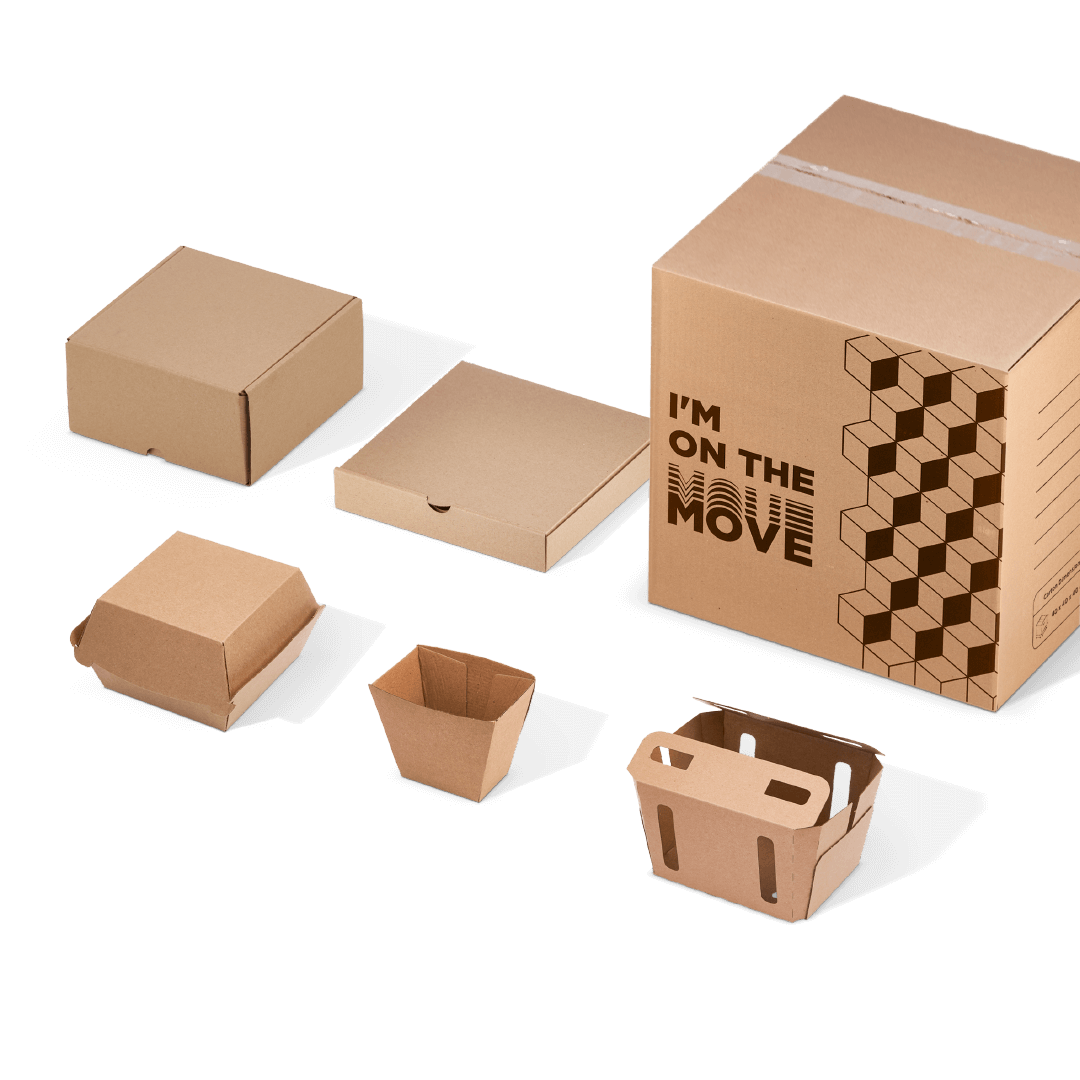
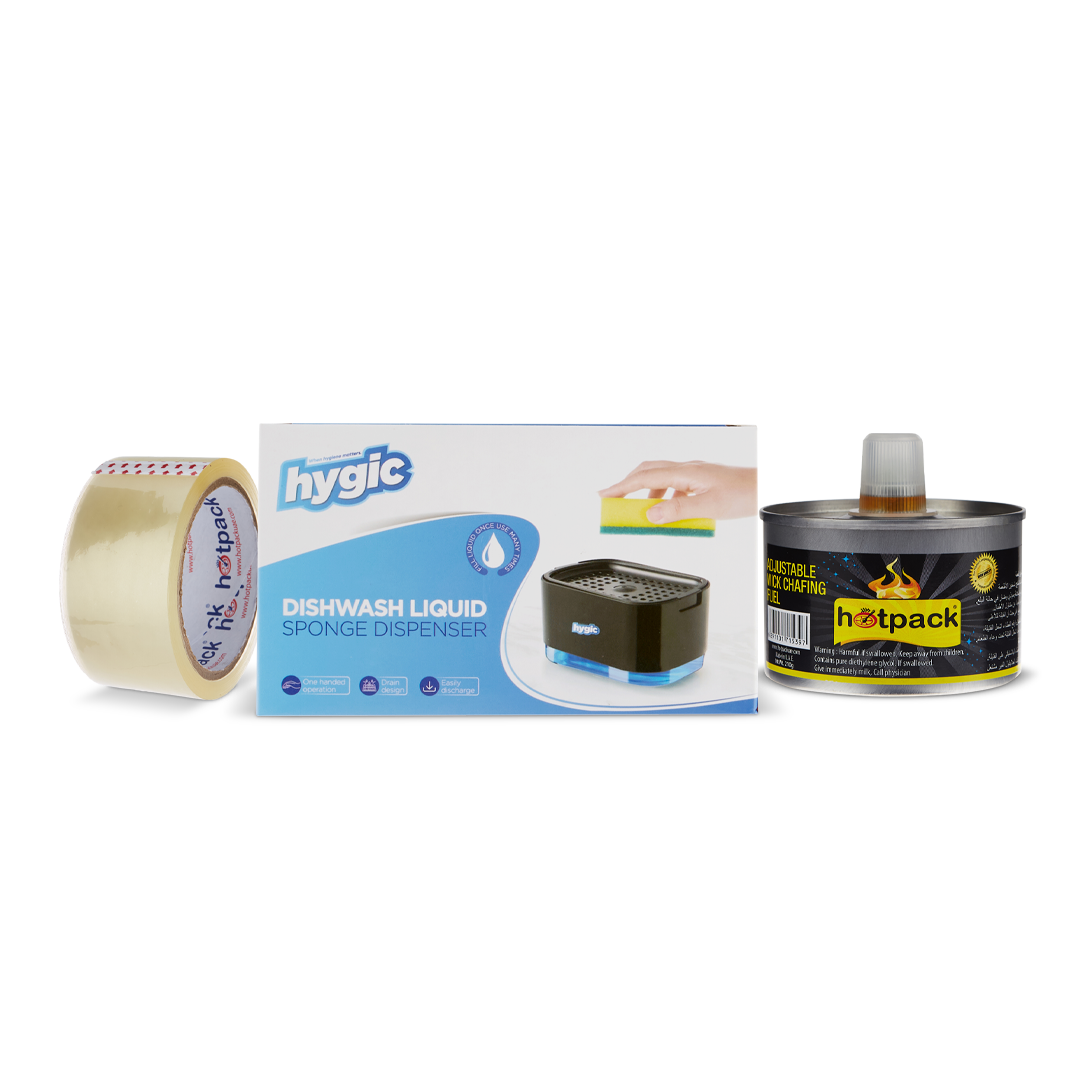
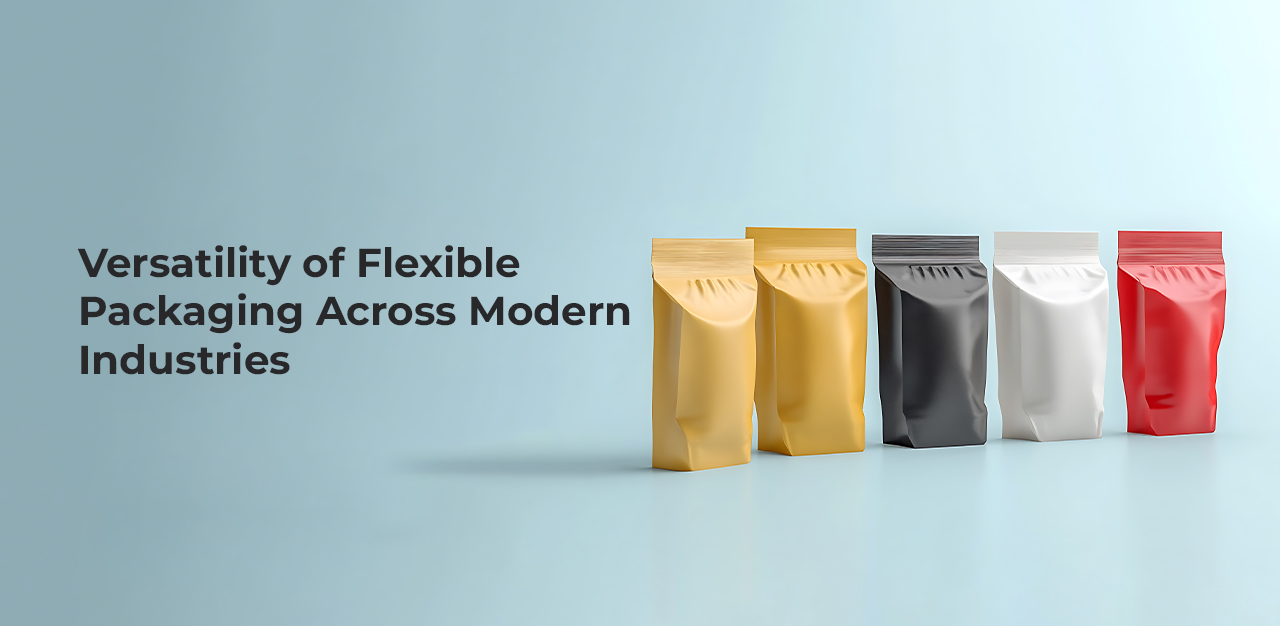
Flexible packaging has quickly become one of the most practical and adaptable packaging formats used across global markets. Whether in food, healthcare, retail, or industrial sectors, businesses rely on these formats to improve product protection, enhance shelf appeal, and reduce material waste. As demand grows for smarter, lighter, and more sustainable packaging choices, flexible packaging solutions continue to stand out for their balance of performance, cost, and convenience.
This shift is not only reshaping how brands package products but also how consumers interact with them. From resealable pouches to high-barrier films, the variety available today allows industries to tailor packaging according to product needs, shelf-life expectations, handling, and transportation requirements.
Why Flexible Packaging Is Transforming Today’s Markets
Flexible packaging offers a unique mix of benefits that few other packaging formats can match. It delivers durability without the bulk of rigid materials, supports advanced printing technologies for branding, and uses less raw material compared to traditional options. This makes it appealing to brands looking for a practical and sustainable approach to packaging.
Businesses increasingly look for flexible packaging products that are lightweight, economical, and customizable. These formats can reduce overall packaging waste, optimize logistics, and provide superior barrier protection, all while keeping costs in check.
How Different Industries Benefit from Flexible Packaging
The adaptability of flexible packaging makes it suitable for nearly every sector. Here’s how a variety of industries rely on these materials to meet consumer expectations.
1. Food and Beverage
Food businesses are among the largest adopters of flexible packaging solutions. Pouches, laminated rolls, film wraps, and resealable bags are used extensively because they preserve freshness, extend shelf life, and provide strong moisture and oxygen barriers.
Products such as snacks, spices, frozen foods, sauces, and dry ingredients benefit from the versatility of this packaging form. It fits easily into retail shelves, supports branding, and reduces transportation weight, an essential factor for nationwide or international distribution.
2. Retail and FMCG
Retailers rely on flexible packaging for both primary and secondary packaging. Lightweight wraps and pouches help protect products while keeping them visually appealing. Single-use packs, trial-size pouches, and resealable formats have become popular in personal care and home care categories, offering customers convenience and easy storage.
3. Healthcare and Pharmaceuticals
Pharmaceutical companies need packaging that guarantees hygiene, safety, and product integrity. Flexible barrier films, medical pouches, and sterile wraps meet these needs effectively. These materials protect tablets, medical devices, and sterile equipment while remaining lightweight and easy to handle.
4. Industrial and Chemical Applications
Industrial products such as detergents, lubricants, fertilizers, and cleaning agents also benefit from flexible packaging due to its durability and resistance to leakage. The ability to transport more units with less packaging weight significantly enhances supply chain efficiency.
The Sustainability Advantage
The increasing shift toward sustainability has encouraged industries to adopt packaging formats that use fewer raw materials and generate lower carbon emissions. Flexible packaging meets these expectations through reduced weight, minimal waste creation, and lower energy consumption during manufacturing.
The design flexibility allows companies to choose recyclable films, biodegradable options, and high-efficiency materials without compromising strength. This makes flexible packaging products an ideal fit for brands working toward greener operational standards.
Flexible Packaging and the Future of Modern Industries
Flexible packaging has moved from being an option to becoming a necessity across global markets. Its efficiency, versatility, and cost-effectiveness make it a powerful packaging choice for brands seeking to stand out and stay competitive. As demand continues to grow, innovation in this segment will support better product safety, reduced waste, and improved customer experience.
Whether used in food retail, pharmaceuticals, personal care, or industrial sectors, flexible packaging gives businesses the advantage they need in a fast-moving marketplace. For companies looking to enhance their packaging approach, reliable partners including leading paper cup suppliers, play a key role in achieving consistency, sustainability, and superior performance.
Hotpack Global: Your Trusted Partner for Smarter Packaging
Hotpack Global has earned its position as one of the most dependable names in the packaging industry. With a strong presence across multiple markets, Hotpack supports businesses with high-quality flexible, paper-based, and eco-friendly packaging products designed for performance and durability. Our wide portfolio ranging from food, retail, and FMCG packaging to fully customized branding solutions, ensures that every customer finds the right fit for their needs.
We combine global manufacturing expertise with local market understanding to help businesses improve efficiency, reduce costs, and elevate their product presentation. With a commitment to innovation, hygiene, and sustainability, Hotpack Global continues to empower brands across the world with packaging that truly makes a difference.
FAQs
1. What industries benefit most from flexible packaging?
ANS- Flexible packaging is widely used in food, retail, pharmaceuticals, personal care, and industrial sectors because it offers durability, barrier protection, and convenience for both manufacturers and consumers.
2. Are flexible packaging materials environmentally friendly?
ANS- Many flexible packaging formats use lightweight, recyclable, or low-waste materials that reduce environmental impact. Brands can choose eco-friendly structures depending on product needs.
3. Can flexible packaging be customized?
ANS- Yes. Companies can customize size, design, barrier levels, and printing to match product requirements and branding goals.
4. What makes flexible packaging cost-effective?
ANS- Lightweight materials, lower transportation costs, reduced storage space, and efficient production make flexible packaging one of the most economical options for businesses.
5. Is flexible packaging suitable for food safety?
ANS- Absolutely. Many flexible materials are designed with high-barrier properties that protect food from moisture, air, and contamination, helping preserve freshness and quality.