UAE
UAE 

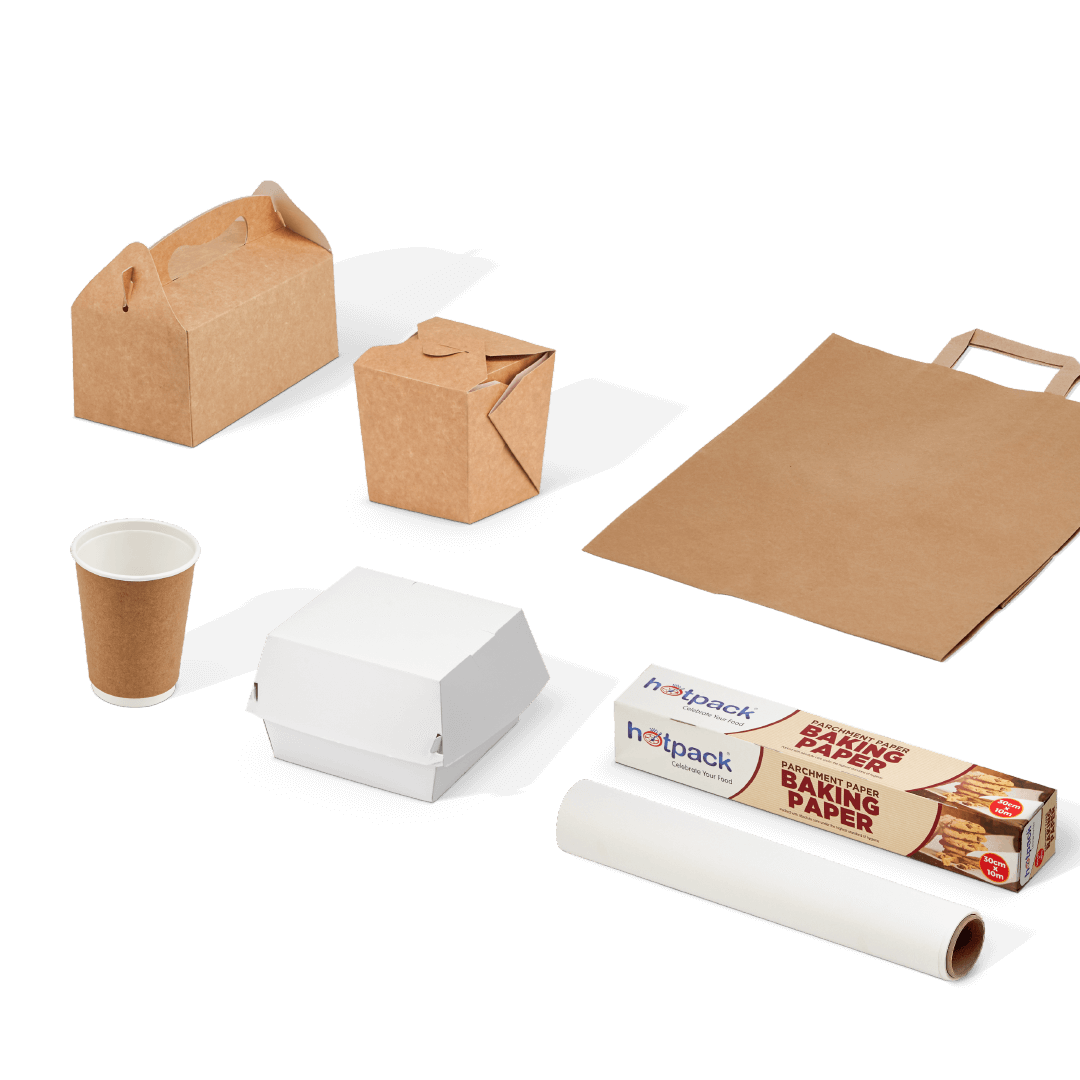

There’s a version of this decision that most food businesses make. Find a supplier, negotiate the price as far down as it’ll go, place the order, move on. It’s quick, it’s logical, and it causes problems that take months to trace back to that original choice.
The packaging world in the UAE has changed enough that this approach doesn’t hold up the way it used to. That’s really what this guide is about.
A bit of context first
The UAE food packaging market is heading toward $10 billion by 2030. That number gets cited a lot, but what it actually points to is a set of changes happening at ground level — delivery becoming a primary revenue channel for restaurants that never intended it to be, retail shelves getting more competitive, and a regulatory push around sustainability that has moved from background noise to something businesses actually have to plan around.
Packaging sits at the center of all three conversations, whether businesses want it to or not. And yet plenty of food companies still treat it as a purchasing task rather than a business decision. That gap is where things go wrong.
What changed, and when
Go back fifteen years and the packaging conversation here really was mostly about price and lead time. You needed a container. A supplier made one. Done.
Then food delivery took off, and customers started forming opinions about brands based on how an order arrived at their door. A meal that tasted great but arrived in a leaking, collapsed container left a different impression entirely. Then social media made packaging visible in a way it had never been — an unboxing moment is a marketing moment whether a business planned for it or not. Then premium food brands proliferated, and suddenly packaging had to communicate something, not just contain something.
The suppliers who recognized this early invested accordingly — in design, in materials, in supply chain infrastructure. The ones that didn’t are still out there, still competitive on the quote. The full cost of working with them tends to show up later.
What actually matters when choosing
Range — does it match how the business actually operates?
Take a cloud kitchen running multiple cuisine concepts out of one facility. On any given day they’re packing machboos that need to hold heat for forty minutes, salads that need to stay crisp, burgers that can’t arrive soggy, and desserts that need to look presentable when the lid comes off. Those aren’t all the same packaging problem, and a supplier with a narrow range will start creating friction fast.
This is where depth of catalog actually matters. Not every supplier has genuine range across rigid containers, flexible delivery formats, sustainable alternatives, and catering-scale products simultaneously. Most are strong in one or two areas and thin everywhere else. Worth establishing that early, before there’s a problem to solve.
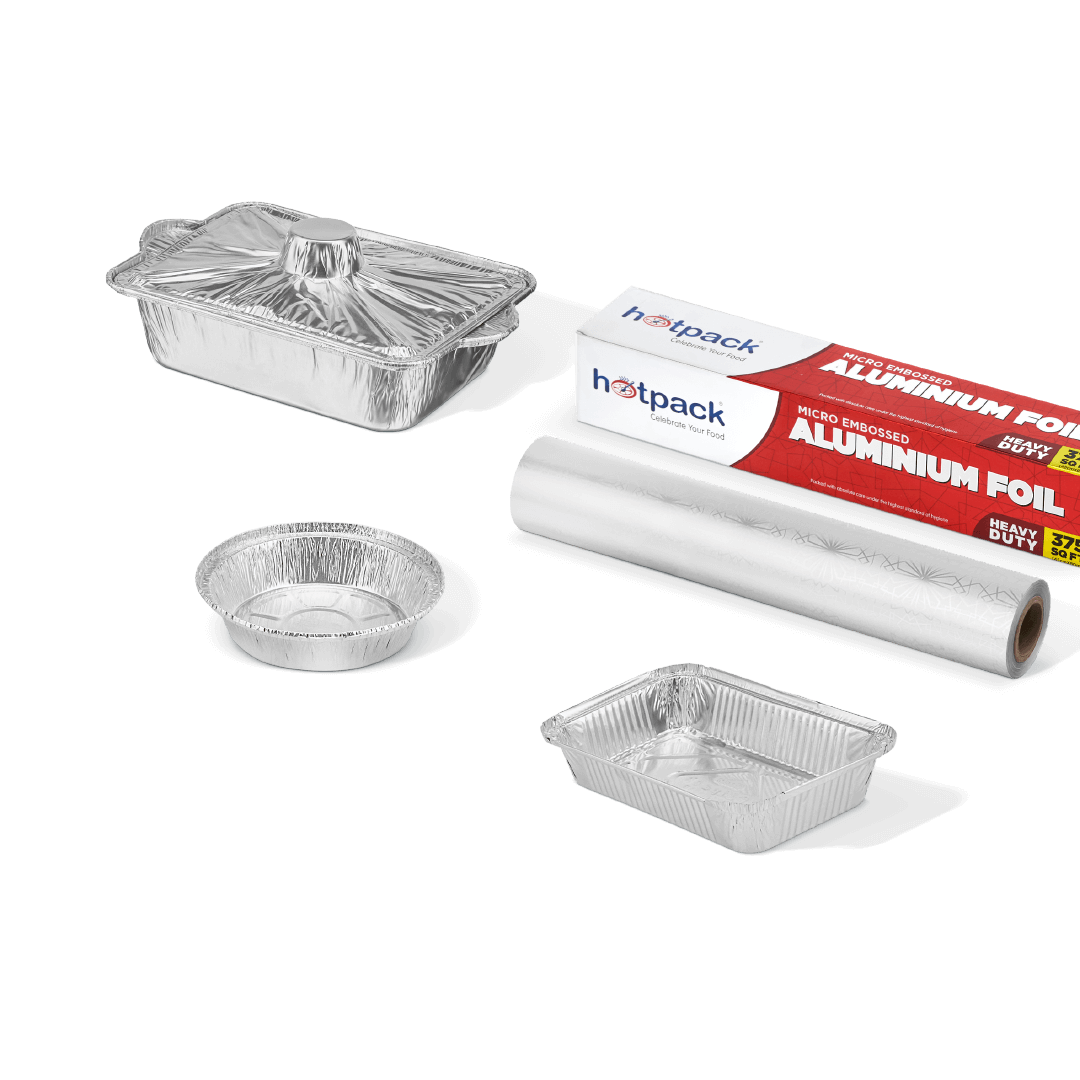
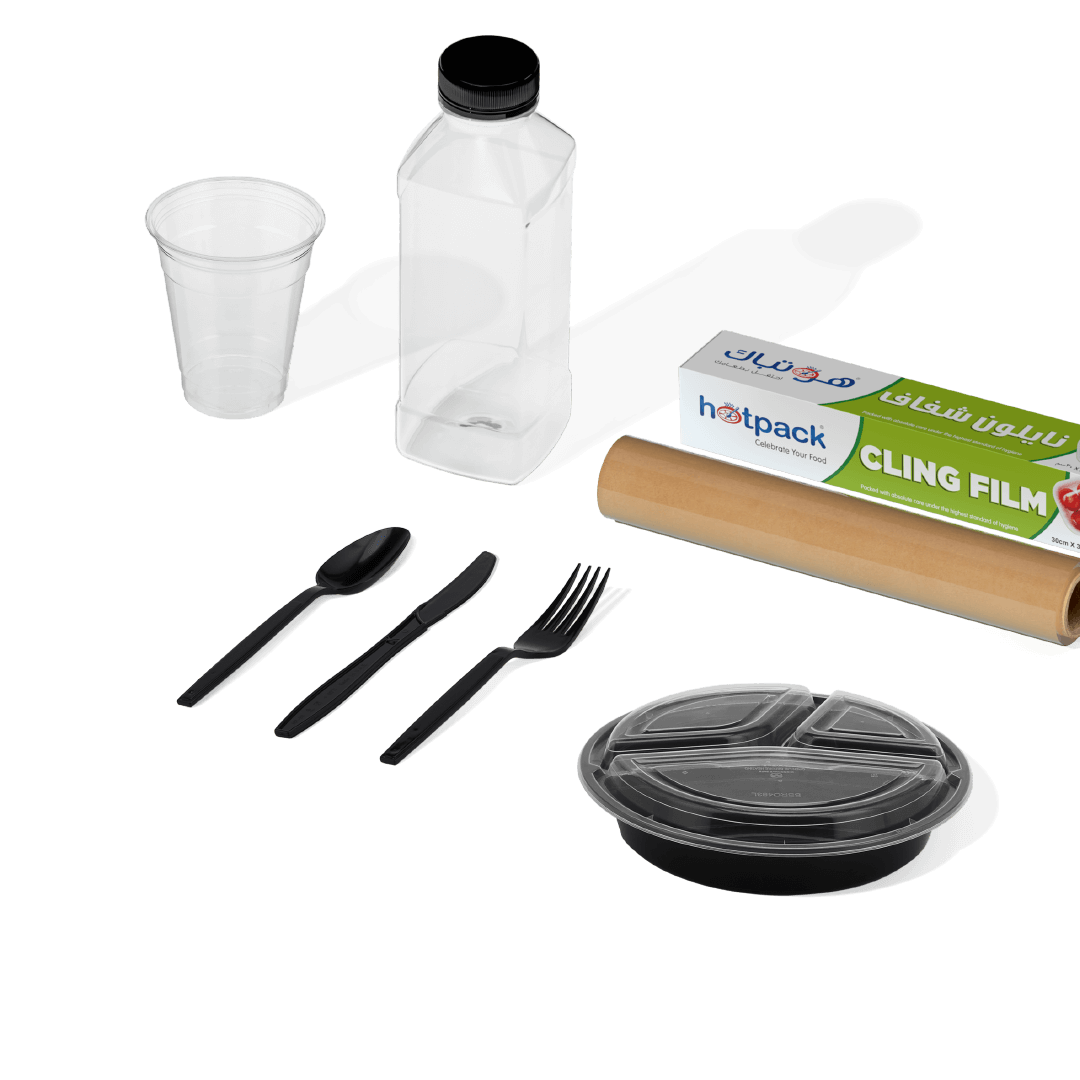
A business sourcing microwave-safe containers for hot dishes, cold-use formats for salads, tamper-evident pouches for retail products, and aluminum trays for catering — all from one supplier — is operating with far fewer moving parts than one managing four separate relationships to cover the same ground. The operational value of that consolidation adds up quietly but consistently.
Delivery businesses have specific needs worth understanding
Food delivery has created packaging requirements that genuinely didn’t exist at scale a decade ago. A container that performs perfectly for dine-in can fall apart — sometimes literally — after forty-five minutes in a delivery bag on a motorbike.
Leak-proof sealing, heat retention, structural integrity under stacking pressure, formats that open cleanly when the customer gets to them — these are specific engineering requirements, not details. Businesses that treat their delivery packaging as an afterthought tend to find out the hard way. The ones that take it seriously usually see it in their reviews before they see it anywhere else.
Compliance — don’t take anyone’s word for it
Food packaging regulation in the UAE is applied seriously, and standards around food contact materials, single-use plastics, and labeling have only gotten more detailed. The liability for getting this wrong sits with the food business, not the packaging supplier.
The tell isn’t whether a supplier claims compliance. It’s how quickly and confidently they back it up. A supplier with proper certifications has documentation ready. Their staff understand what the standards actually cover. How a company handles a compliance question during a sales conversation is usually a fair preview of how they’ll handle one when something is actually at stake.
Hotpack, for instance, holds certifications including BRCGS, FDA, SEDEX, ESMA, FSC, ISO 9001, ISO 22000, ISO 14001, and ISO 45001 — the kind of paper trail that matters when an auditor asks, or when a retail partner wants to verify sourcing standards before listing a product.
Sustainability — push past the standard lines
This has moved fast. A few years ago it was mostly marketing. Now it’s regulation, genuine consumer expectation, and for anyone selling into European markets, a baseline commercial requirement.
When a supplier mentions sustainability, treat it as the opening of a conversation, not a closed answer. Ask what proportion of their range is certified compostable or recyclable. Ask what’s concretely changed in their operations over the last two years. Ask how they handle materials traceability. Vague answers to specific questions tell you what you need to know.
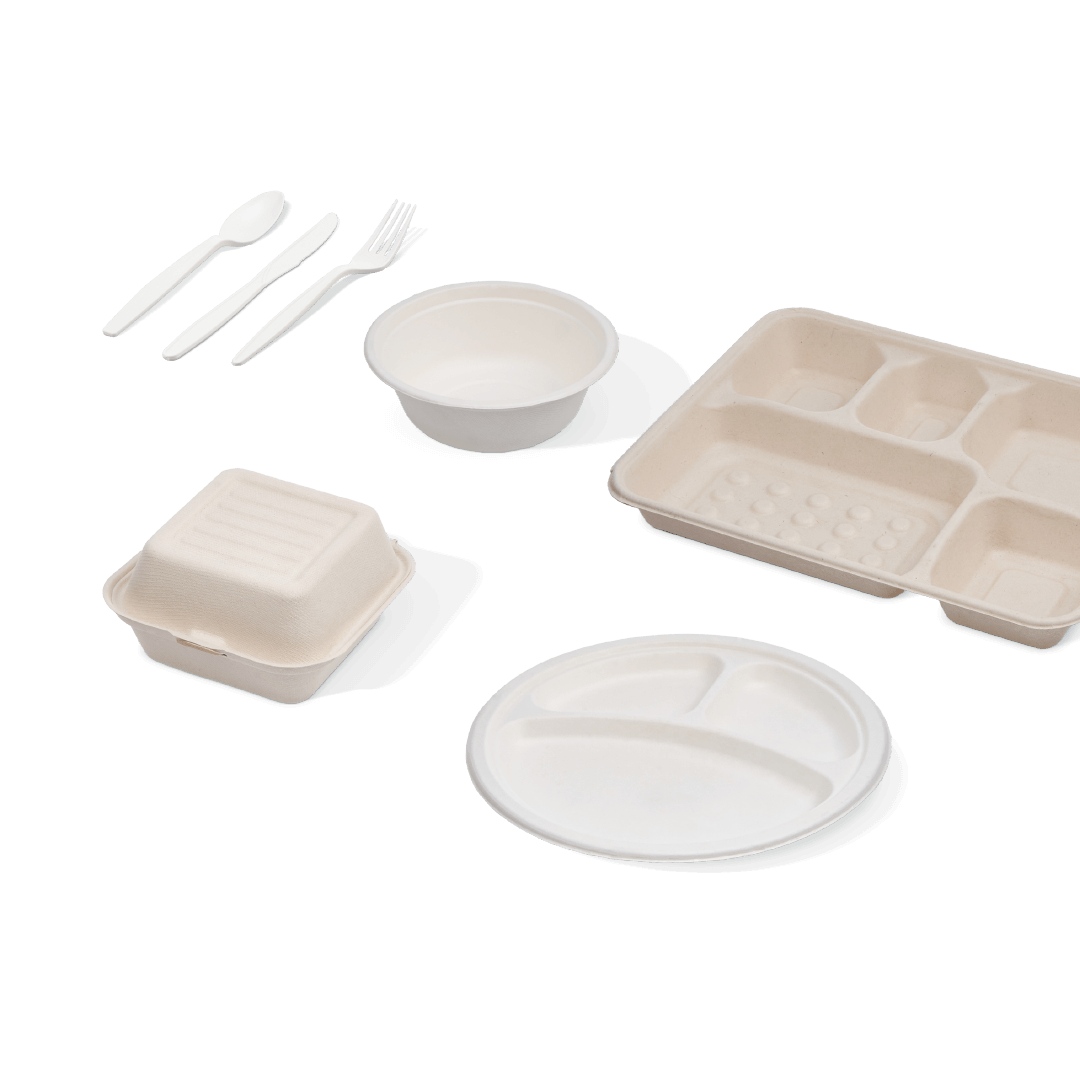
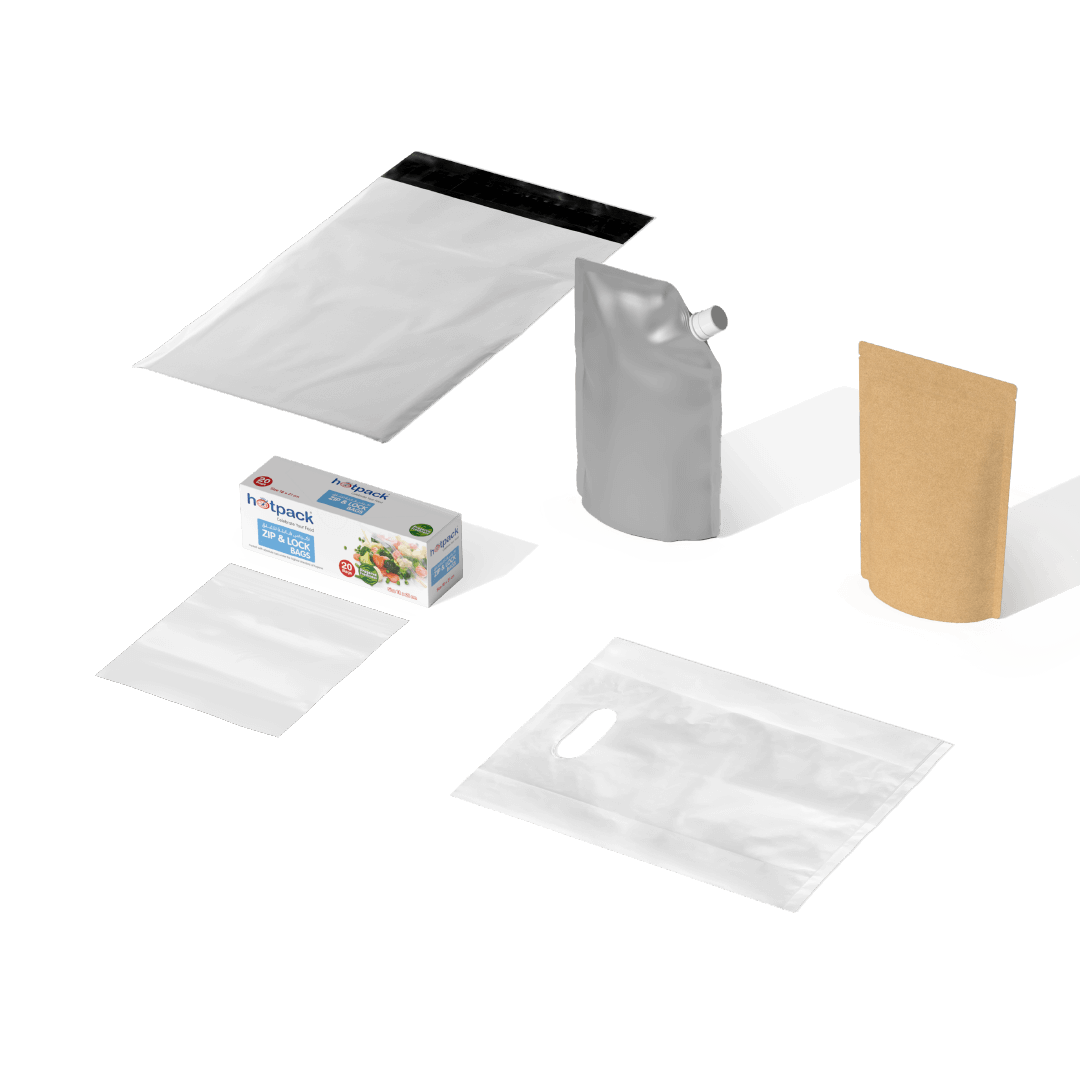
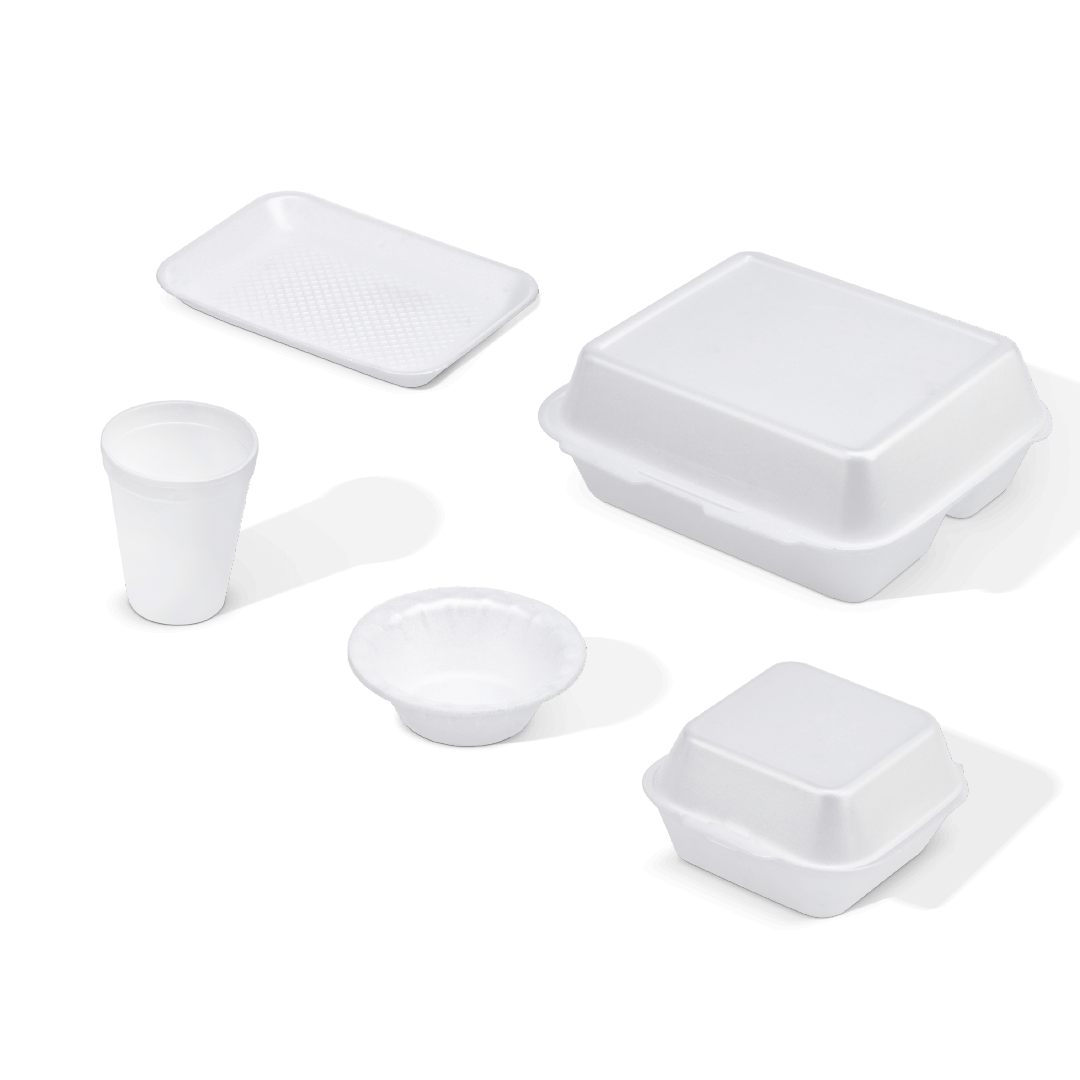
The practical question for most food businesses isn’t whether to move toward sustainable packaging — that direction is fairly settled — but how to do it without disrupting operations or significantly inflating cost. Biodegradable bowls, paper-based takeaway boxes, compostable cutlery, kraft bags — these formats have matured enough that they’re no longer a compromise. The right supplier will have a developed range across them, not a token product or two added to look current.
Supply chain — the hardest thing to evaluate upfront
The pitch is always good. Samples look fine. The account contact is attentive during the sales process. Then six months in, a shipment is late, a batch is inconsistent, and the person who was so responsive during onboarding is suddenly harder to reach.
This pattern is common enough that it should shape how due diligence gets done. Ask for references from clients with similar order profiles — not flagship accounts, actually similar ones. Ask how they’ve handled disruptions, because every supplier faces them eventually. A company that navigated a raw material shortage or logistics crisis and kept clients informed throughout is worth more than one that’s never been tested. Ask for real delivery performance data, not rounded estimates.
Local supply infrastructure matters more than it usually gets credit for. A supplier manufacturing and distributing within the UAE removes a layer of international logistics risk that businesses relying on fully imported stock carry whether they think about it or not. When global shipping gets complicated — and it does, periodically — that difference becomes very visible very quickly.
Accessibility — how easy is it to actually buy from them
This tends to get underweighted in the evaluation, but it matters in practice, especially for businesses that aren’t operating on long planning horizons.
Physical stores count. A supplier with locations across the emirates means urgent restocking doesn’t become a crisis. For smaller operators or businesses testing formats before committing to volume, being able to walk in and buy without a formal procurement process removes real friction.
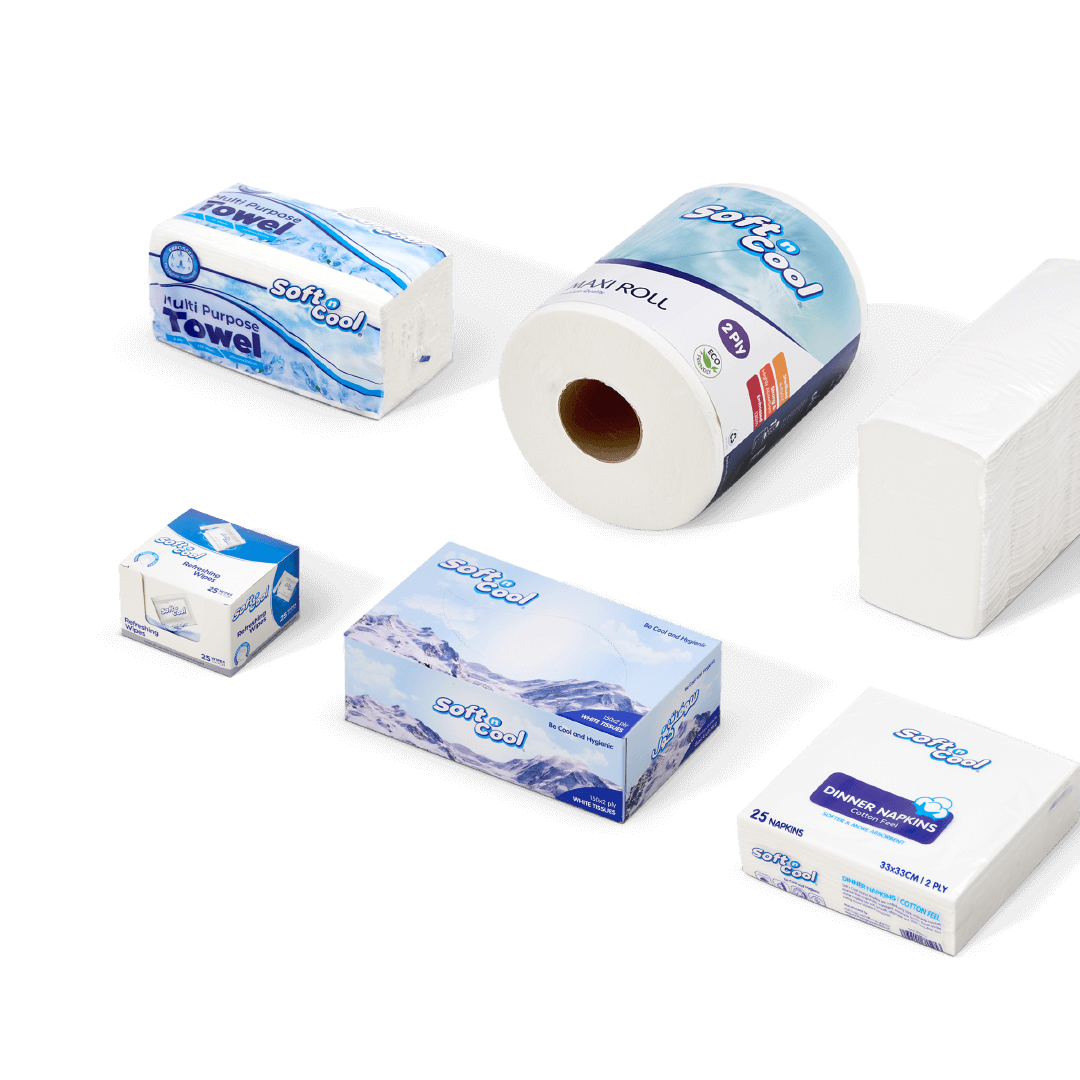
Online availability matters just as much. Hotpack’s webstore at hotpackwebstore.com carries the full product range — food packaging, paper products, eco-friendly options, and home essentials with no minimum order quantity. A procurement manager placing a bulk reorder and a small café buying a few cases go through the same process. That kind of accessibility scales with the business rather than creating a ceiling on how easy procurement can be. Hotpack Webstore
The real cost of a packaging decision
The unit price is where the cost comparison starts. It isn’t where it ends.
Packaging not optimized for shipping dimensions adds freight cost on every order. Poor material quality means damage claims and returns. Packaging that does nothing for the brand quietly erodes whatever price premium a business is trying to hold. None of it appears on an invoice. All of it shows up in the numbers eventually.
Over twelve months, the supplier that looked more expensive on the initial quote often turns out to have been the cheaper choice. Range, reliability, compliance documentation, and consistent quality all affect the total equation in ways a unit price comparison won’t capture.
Making the decision well
Before approaching any supplier, get honest about what’s actually not working with current packaging. Cost is one dimension — but also, is it helping or hurting the brand? Is it creating friction in logistics? Is it doing anything meaningful for the customer experience on the other end?
When evaluating options, go past the catalog and the pitch. Visit the facility. Talk to existing clients without the supplier present. Run a pilot on one product line before committing across the board. A supplier confident in what they deliver will welcome a pilot. One who pushes back on that is telling you something useful.
Once the right fit is found, bring them in gradually. Let the relationship prove itself before building real dependency on it. Set up performance reviews that actually function as a mechanism for keeping the partnership honest — not a formality that gets scheduled and then quietly dropped.
The bottom line
Packaging feels like an operational decision. It plays out like a strategic one.
The food businesses doing well in the UAE right now aren’t treating packaging as a cost to minimize. They’re treating it as something that either works for them or quietly works against them — and making deliberate choices accordingly. The right supplier adds to brand credibility, keeps supply chains predictable, handles compliance cleanly, and doesn’t create problems that have to be managed around.
That’s a harder thing to find than a good unit price. Most businesses that have been through both versions of this will tell you it’s worth considerably more.
Hotpack Global has been that kind of partner for food businesses across the UAE since 1995. With over 4,000 products spanning paper, aluminum, plastic, and biodegradable materials, deep distribution across all seven emirates, and a webstore at hotpackwebstore.com that makes procurement straightforward at any scale — we’ve built the infrastructure to back up what a trusted packaging partner actually needs to deliver. Not just a supplier you place orders with. The kind you don’t have to think twice about.