UAE
UAE 

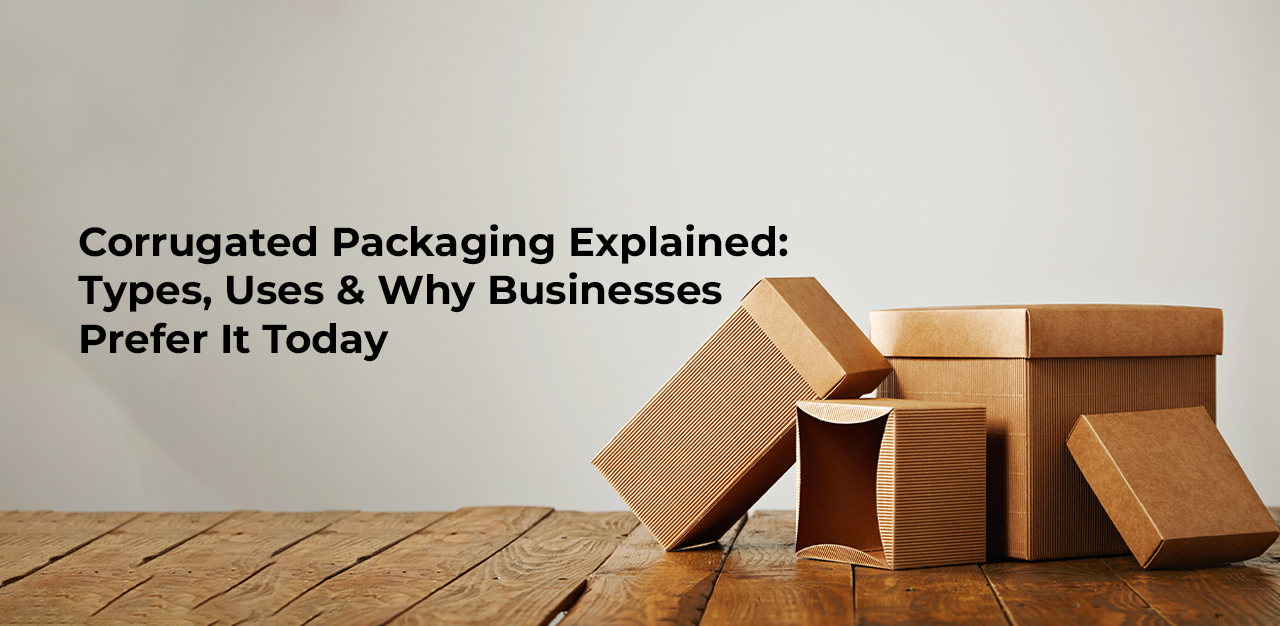
Corrugated packaging has become the backbone of global shipping, retail logistics, e-commerce, and modern storage systems. As consumer expectations rise and industries shift toward sustainable, durable, and compliant packaging materials, corrugated solutions are experiencing massive demand. For businesses that aim to balance product protection, environmental responsibility, and global trade standards, choosing the right corrugated packaging partner is essential.
As a global leader in packaging solutions, Hotpack Global continues to support thousands of businesses with high-quality corrugated products that meet international benchmarks. This blog explores what corrugated boxes are, the many benefits they offer, and why top brands trust corrugated packaging for secure transportation and efficient operations.
What Are Corrugated Boxes?
Corrugated boxes are packaging containers made from corrugated cardboard, a structured material composed of three layers:
- An inside liner
- An outside liner
- A fluted (wavy) layer sandwiched between the liners
This fluted layer is the core strength of the structure. It provides rigidity, shock absorption, and stacking resilience, making corrugated boxes one of the strongest and most reliable packaging materials in the world.
Because of their durability, lightweight nature, and recyclability, corrugated boxes are widely used across industries such as food service, retail, pharmaceuticals, electronics, manufacturing, and e-commerce.
Why Corrugated Packaging Is the Global Standard
Corrugated packaging is trusted globally because it delivers on five important principles:
a. Strength and Durability
The fluted structure provides excellent protection during transport, stacking, and storage. Businesses rely on corrugated cardboard to safeguard fragile, heavy, and valuable items.
b. Lightweight and Cost-Efficient
Despite their strength, corrugated boxes are incredibly light. This reduces shipping costs and minimizes manual handling challenges.
c. Sustainable and Eco-Friendly
Corrugated packaging is:
- 100% recyclable
- Made from renewable fiber
- Biodegradable
- Reusable
This makes it a preferred solution for environmentally conscious companies.
d. Versatility in Design
Corrugated boxes come in multiple shapes, sizes, and thicknesses. They can be fully customized to match branding, product dimensions, and operational requirements.
Different Types of Corrugated Cardboard
Not all corrugated cardboard is the same. Various flute types are used depending on the intended application:
-
A-Flute (Thick)
Ideal for heavy, fragile items requiring extra cushioning.
-
B-Flute (Medium Thickness)
Commonly used for food packaging, mailers, and retail boxes.
-
C-Flute (Most Popular)
Widely used for shipping boxes due to balanced strength and cushioning.
-
E-Flute (Thin & Lightweight)
Perfect for cosmetics, electronics, and premium packaging.
-
F-Flute (Ultra-Thin)
Chosen for small, delicate product packaging requiring high print quality.
Each flute type serves a specific purpose, and businesses can choose based on their operational needs.
Types of Corrugated Boxes
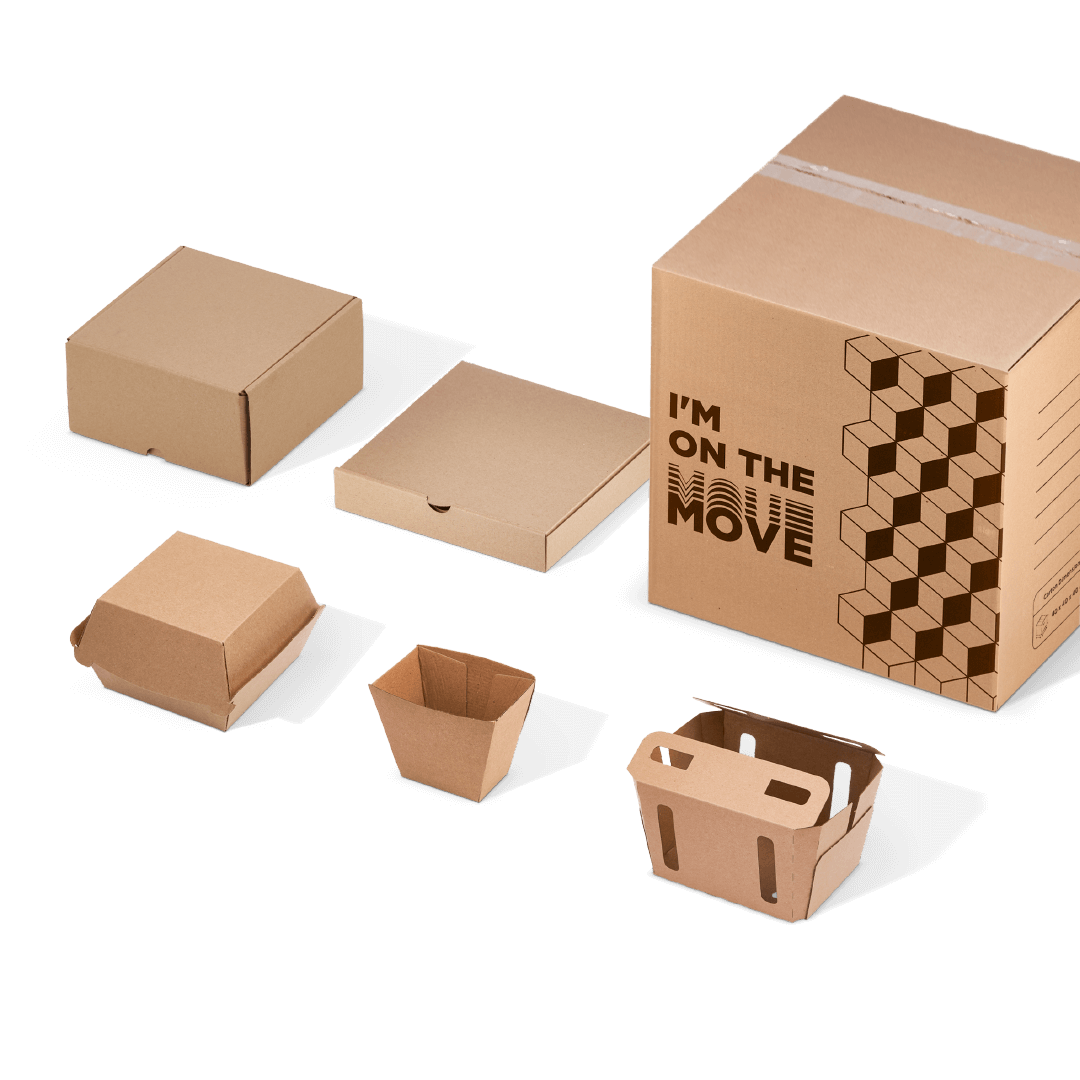
Corrugated boxes come in many formats:
-
Regular Slotted Containers (RSC): The most common type, used for shipping and storage.
-
Die-Cut Boxes: Custom-cut designs suitable for retail and e-commerce.
-
Folding Cartons: Lightweight boxes used for groceries, electronics, and small goods.
-
Double-Wall and Triple-Wall Boxes: Made with extra layers of corrugated cardboard for maximum strength.
-
Corrugated Trays and Bins: Used in supermarkets, produce markets, bakeries, and industrial settings.
-
Corrugated Mailers: Compact, sturdy, and ideal for courier shipments.
Businesses that rely heavily on logistics and product safety prefer corrugated boxes for their adaptability and long-term durability.
Industries That Use Corrugated Packaging
Corrugated packaging is used across nearly every sector because of its versatility. Popular industries include:
- Food and beverage
- E-commerce
- Retail and fashion
- Electronics
- Pharmaceutical and healthcare
- Manufacturing
- Logistics and warehousing
- FMCG brands
- Hospitality and catering
- Agriculture
The material’s environmentally friendly profile makes it ideal for businesses prioritizing sustainability.
Key Advantages of Using Corrugated Boxes
-
Superior Protection: The shock-absorbing fluted layer reduces damage and breakage during handling.
-
Customizable Printing: Brands can print logos, instructions, QR codes, and marketing messages directly on corrugated cardboard.
-
Cost Savings: Using lightweight packaging reduces shipping expenses and operational costs.
-
Hygiene and Safety: Especially in food and pharmaceutical industries, corrugated boxes maintain product hygiene and isolate contaminants effectively.
-
Efficient Storage: Boxes can be flattened when not in use, saving storage space.
-
Temperature Regulation: Some corrugated structures help insulate products, useful for food and temperature-sensitive items.
Choose Hotpack Global for Reliable Corrugated Packaging Solutions
Corrugated packaging has become an essential resource for modern businesses. Whether you’re a small retailer or a global exporter, using high-quality corrugated boxes ensures product safety, customer satisfaction, and global compliance. Hotpack Global brings decades of expertise, advanced manufacturing systems, and an extensive product range designed to support every industry.
From export-grade cartons to custom-printed solutions, our corrugated packaging is engineered for strength, reliability, and sustainability. Partner with Hotpack today to elevate your packaging standards, including our wide selection trusted by leading paper cup suppliers worldwide.
Frequently Asked Questions (FAQs)
1. What makes corrugated boxes stronger than regular cardboard boxes?
Corrugated boxes are made with a fluted layer sandwiched between two liners, giving them superior strength, rigidity, and shock absorption compared to regular cardboard.
2. Are corrugated boxes eco-friendly?
Yes. They are made from recyclable and biodegradable materials, making them one of the most sustainable packaging choices in the world.
3. Which industries commonly use corrugated packaging?
Industries such as food service, e-commerce, electronics, pharmaceuticals, retail, and manufacturing rely heavily on corrugated cardboard for shipping, storage, and protection.
4. Can corrugated boxes be customized?
Absolutely. They can be printed, sized, and designed to fit branding, product dimensions, and specific operational needs.