UAE
UAE 

A brand owner once showed me a photo of her product arriving at a customer’s door.
She’d spent fourteen months on the formula.
The courier had folded the mailer in half to fit it through a narrow slot, and the rigid box inside had cracked at one corner.
The customer posted it anyway without tagging the brand. Just a quiet, untagged photo of a damaged box sitting on a doorstep.
She lost that customer. Never knew why.
That’s what custom packaging in Dubai actually protects. Not just aesthetics. The moment before someone decides if you’re worth trusting.
The Dubai shelf doesn’t wait
I’ve walked the beauty floor at Harvey Nichols Dubai with people who know that category cold, and the thing that strikes you every time is how brutal the visual competition is. Korean brands with $40 serums sitting next to French heritage houses sitting next to a Jumeirah-based indie that launched eight months ago. All of them at the same eye level. All of them asking the same question of the customer: pick me.
In that environment, the product that looks like it flew business class wins before the customer even reads the label.
This isn’t vanity. It’s category logic. Dubai’s retail consumer — especially in beauty, food, lifestyle, and gifting — has been trained by years of exposure to the best-packaged products in the world. The bar is higher here than in most regional markets, and brands that don’t clear it tend to end up in the discount section faster than they expected.
And then there’s gifting. Eid alone reshapes the entire packaging demand cycle. Brands that haven’t thought about how their product photographs, how it feels to hand over, and whether the box survives being carried from a shop in DIFC to a house in Mirdif — those brands miss the gifting moment entirely. The box gets judged before the product does. That’s just how gifting works.
What you’re actually buying when you buy custom packaging
Most first conversations between a brand and a packaging supplier go the same way. Logo. Colour. Box style. The brand has a reference image — usually something they saw on Instagram from a Danish brand with four employees and a graphic designer who went to Central Saint Martins. The supplier nods, quotes, and both parties move forward thinking they’ve had the same conversation.
They haven’t.
Custom packaging in Dubai involves decisions across three layers, and brands that only engage with the surface layer usually end up disappointed.
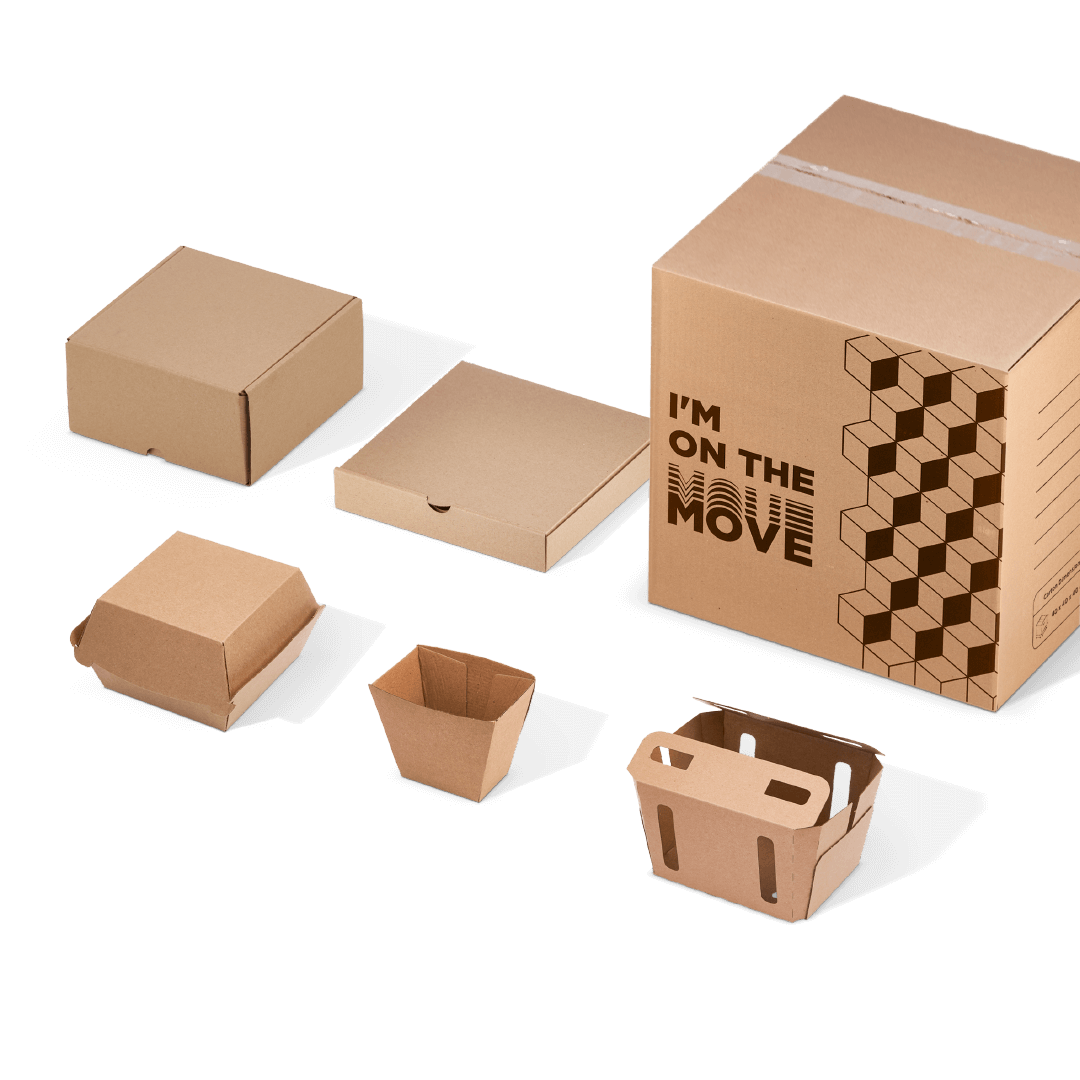
The first layer is structure. Rigid versus folding carton versus corrugated. Whether the product needs an insert or a tray. Whether the box has to survive a courier throw or just look good on a shelf. These decisions matter more than any finish, and they’re the ones that come back to bite you in returns, damaged-in-transit complaints, and customers who don’t come back.
The second layer is material — and this is where sustainability questions live too. Paper weight, board grade, recycled content, coating types. These affect cost, printability, finish quality, and what the package communicates before the consumer reads a single word. Uncoated stock reads artisan. Coated gloss reads commercial. High-bulk board with a soft-touch laminate reads considered. Each combination is a statement about what kind of brand you are, and suppliers in Dubai who’ve done this long enough can usually read the brand’s brief and tell you if the material choice contradicts it.
The third layer is finishing. Hot foil, emboss, deboss, UV spot, soft-touch lamination, matte versus gloss. This is the layer most brands spend the most time on and the least money on. It shouldn’t be reversed, but it often is.
Hotpack’s paper and board division handles exactly this full range — mono carton production with finishing options including embossing and spot UV, alongside rigid boxes for premium products, die-cut boxes for unique presentations, and printed cartons across varying finish levels. For brands that want one manufacturer who understands all three layers rather than a printer who specialises in one, that matters more than it might initially seem.
The sustainability question nobody wants to answer directly
Most brands asking for sustainable packaging in Dubai fall into three camps, and they rarely identify themselves correctly.
The first camp genuinely wants to reduce environmental impact. They’ll accept a slightly different aesthetic to get there — kraft textures, minimal print coverage, water-based inks, no plastic laminates. These briefs are actually the most interesting to work on because the constraints produce creative results.
The second camp wants the look of sustainability. The kraft tone. The clean sans-serif. The little leaf icon somewhere near the barcode. They’re not lying, exactly — but the packaging itself might still be coated in petroleum-derived laminate because that’s what holds the finish they want. This gap between the signal and the material reality tends to come out later, usually when someone scrutinises the product more carefully than expected.
The third camp hasn’t thought about it at all and added “eco-friendly packaging” to the brief because it seemed like the right thing to say.
None of these positions is catastrophic. But they lead to completely different conversations with a supplier. The brands that get the packaging they actually want are the ones who know which camp they’re in before the first meeting.
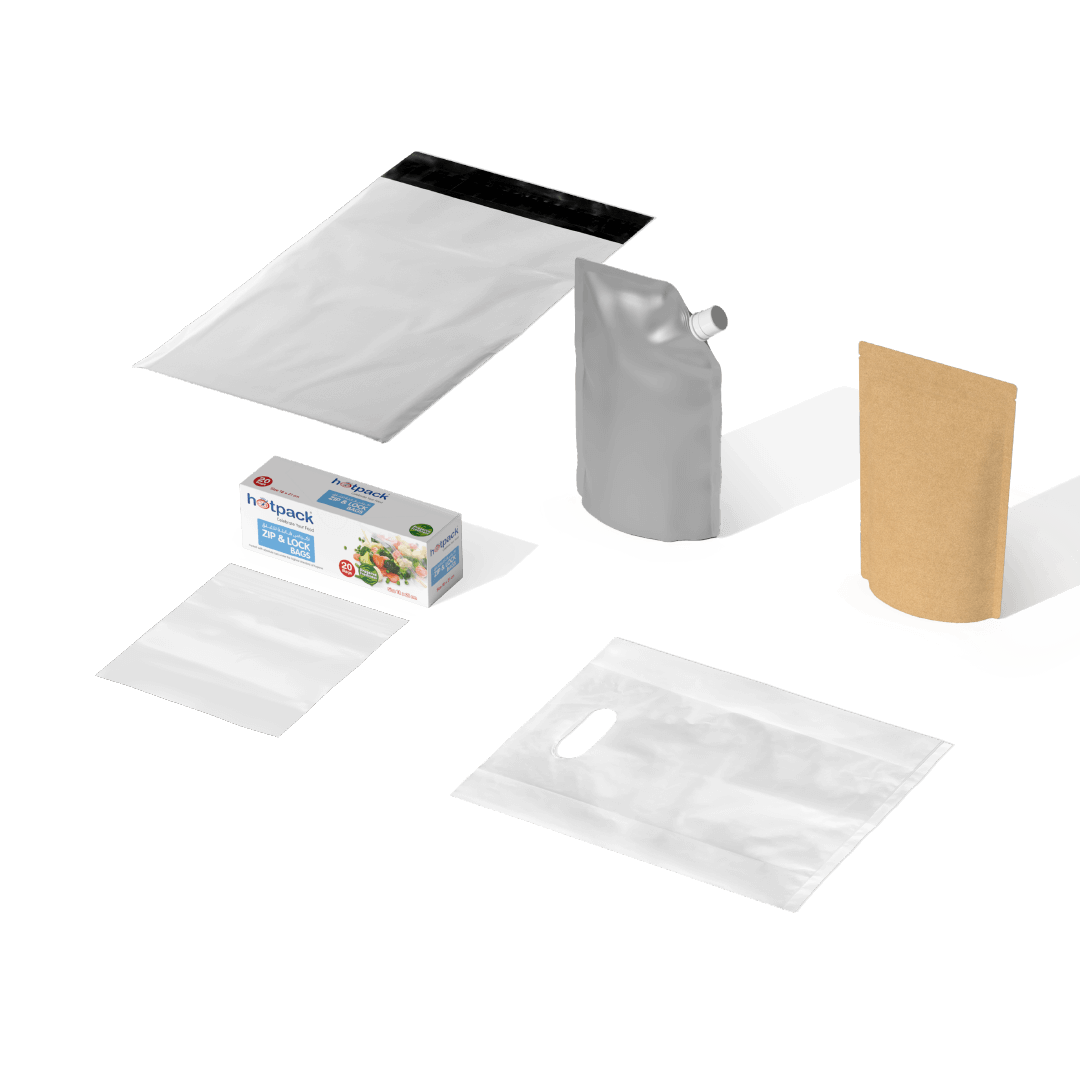
For the first camp especially — the ones who want the change to be real, not cosmetic — the material options available in Dubai have genuinely improved. Hotpack’s flexible and paper-based ranges include recyclable and compostable substrates alongside kraft paper bags in flat and twisted handle formats, and window bags for product visibility without sacrificing eco credentials. The point isn’t to name-drop a supplier. It’s that the options exist locally, which removes the lead time and minimum order complications that used to make sustainable packaging impractical for smaller brands.
Lead times: where most Dubai brands lose time they don’t have
Three to five weeks from final brief to production-ready sample, then another two to three weeks for a full run. That’s a realistic timeline for custom packaging in Dubai when things go right — which they do more often here than most places, given the port access and the density of capable converters between Dubai and Sharjah.
When things go wrong, it’s almost always the same reason: the brief arrived late, or it arrived incomplete and had to be revised after samples.
Ramadan is the clearest illustration. The buying happens in the three to four weeks before and the first ten days of. If your Ramadan packaging isn’t in-store by day one, you’ve missed the window. Working backwards from that date, accounting for sampling, approvals, production, and retail logistics — a brand should be having that packaging conversation in October or November at the latest.
Most start in January. Some start in February. By then the lead time that seemed fine on paper stops being fine when you add one round of sample revision.
The brands that have cracked seasonal packaging in this market treat the packaging calendar like the product calendar. Same priority. Same planning horizon. Because it is the same priority.
How to evaluate a custom packaging supplier in Dubai
The market is more fragmented than people realise. Large converters, mid-size printers with finishing capabilities, boutique design-led studios, offshore brokers who place production in China and manage from here — all of them describe themselves with the same language. “Premium custom packaging.” “End-to-end solutions.” The language doesn’t differentiate them. The work does.
Ask for physical samples, not photographs. This is non-negotiable. A photograph of a box can hide colour inconsistency, surface defects, and structural weakness that are obvious the second you pick it up. Suppliers confident in their output will send samples without hesitation. The ones who resist usually know why they’re resisting.
Ask specifically how they handle print consistency across a run of two thousand or five thousand units. This is where cheaper production tends to fall apart — the first hundred units look like the approved sample, the rest drift. If a supplier doesn’t have a clear answer about their quality control process at this specific point, that’s information.
Ask whether they’ve worked with your distribution channel before. A supplier who’s excellent at retail-ready packaging doesn’t automatically understand what an e-commerce mailer needs to do — different structure, different cushioning, different priorities. They’re related skills but they’re not the same skill.
Price will vary considerably across the market. That’s not a reason to choose the cheapest or distrust the most expensive — it’s a reason to understand exactly what’s included in each quote before comparing them.
What the box is actually worth
A founder once told me she’d cut her packaging budget by 30% to hit her unit economics target. Twelve months later she was spending twice that on customer acquisition to replace the retention she’d lost. The product hadn’t changed. The packaging had.
Nobody measures that in a spreadsheet. The box comes off the budget as a line item. The customer loss comes off the business as noise — churn, weak repeat rates, reviews that mention “the experience didn’t match the price.”
In Dubai specifically, where consumer expectations around presentation are genuinely high and where the gifting economy drives a significant portion of first-purchase decisions, the box isn’t a cost centre. It’s the argument you make before the customer opens anything.
Getting that argument right — in this market, with this consumer — doesn’t require an unlimited budget. It requires treating the brief with the same seriousness as the product. A manufacturer with the range to handle structure, material, and finish under one roof, and the local presence to move at the speed Dubai retail actually demands, is worth more than a cheaper option that gets one of those three things right.
Hotpack Global has been that kind of manufacturer for businesses across the UAE since 1995 — working directly with clients on specialized packaging from custom-printed flexible pouches to branded corrugated cartons to premium rigid boxes, with products available both through their retail network and online at hotpackwebstore.com. Not every brief needs them. But for brands serious about getting the box right, they’re worth the conversation.